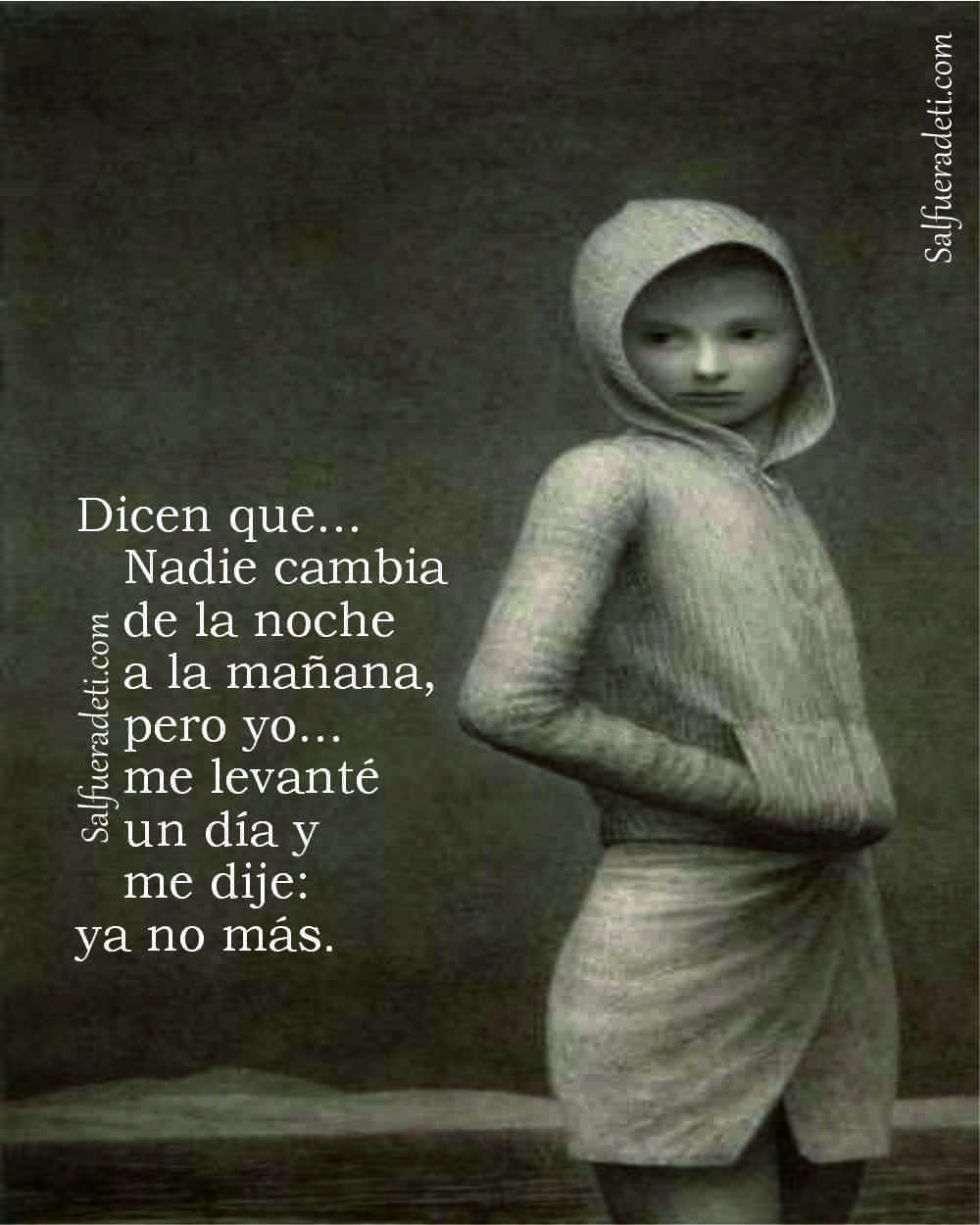
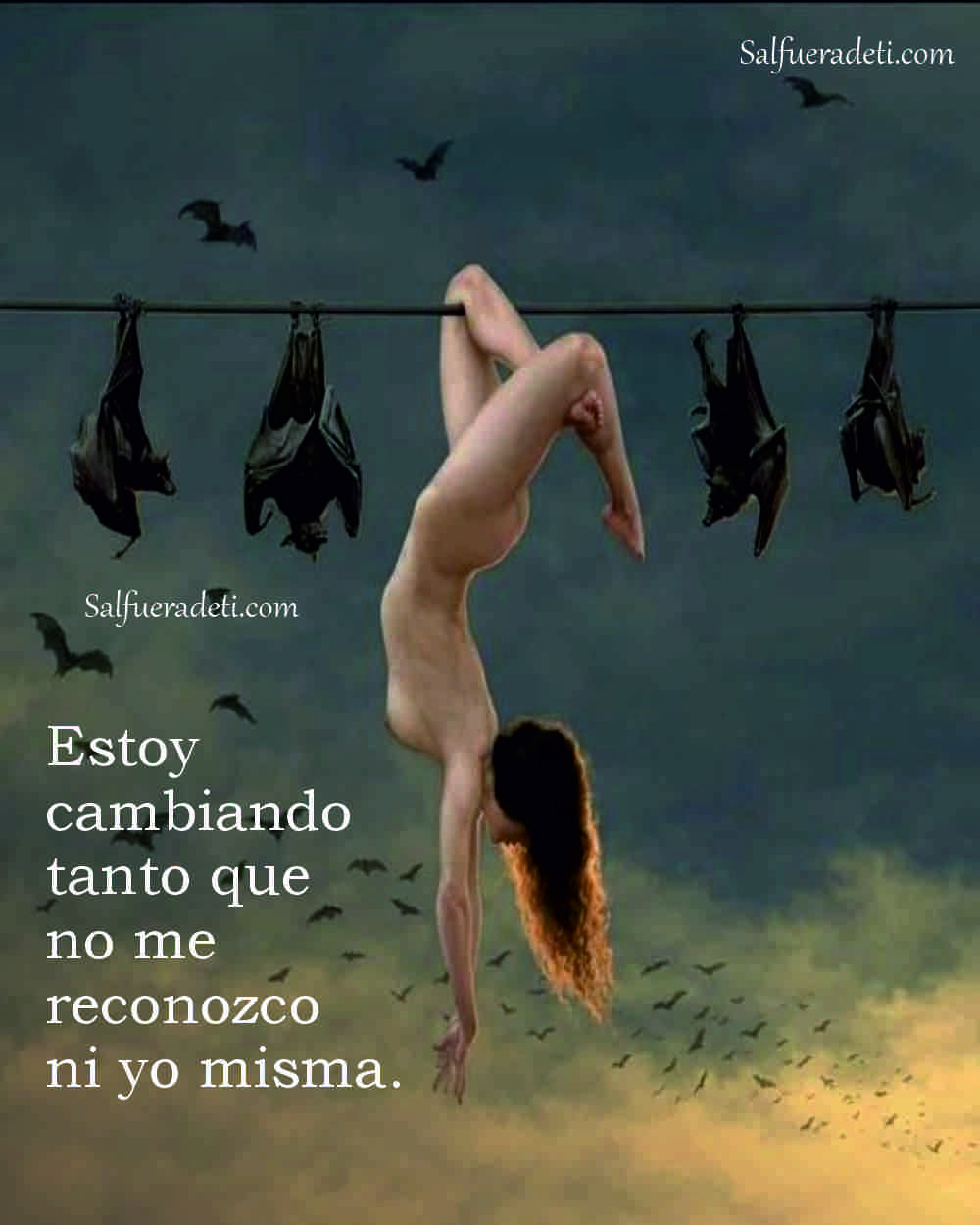
Dicen que... nadie cambia de la noche a la mañana, pero yo... me levanté un día y me dije: ya, no más !!!! y no he vuelto a ser la misma... ¿Alguna vez has sentido que necesitas un cambio radical en tu vida? A veces, un simple pensamiento, una frase...
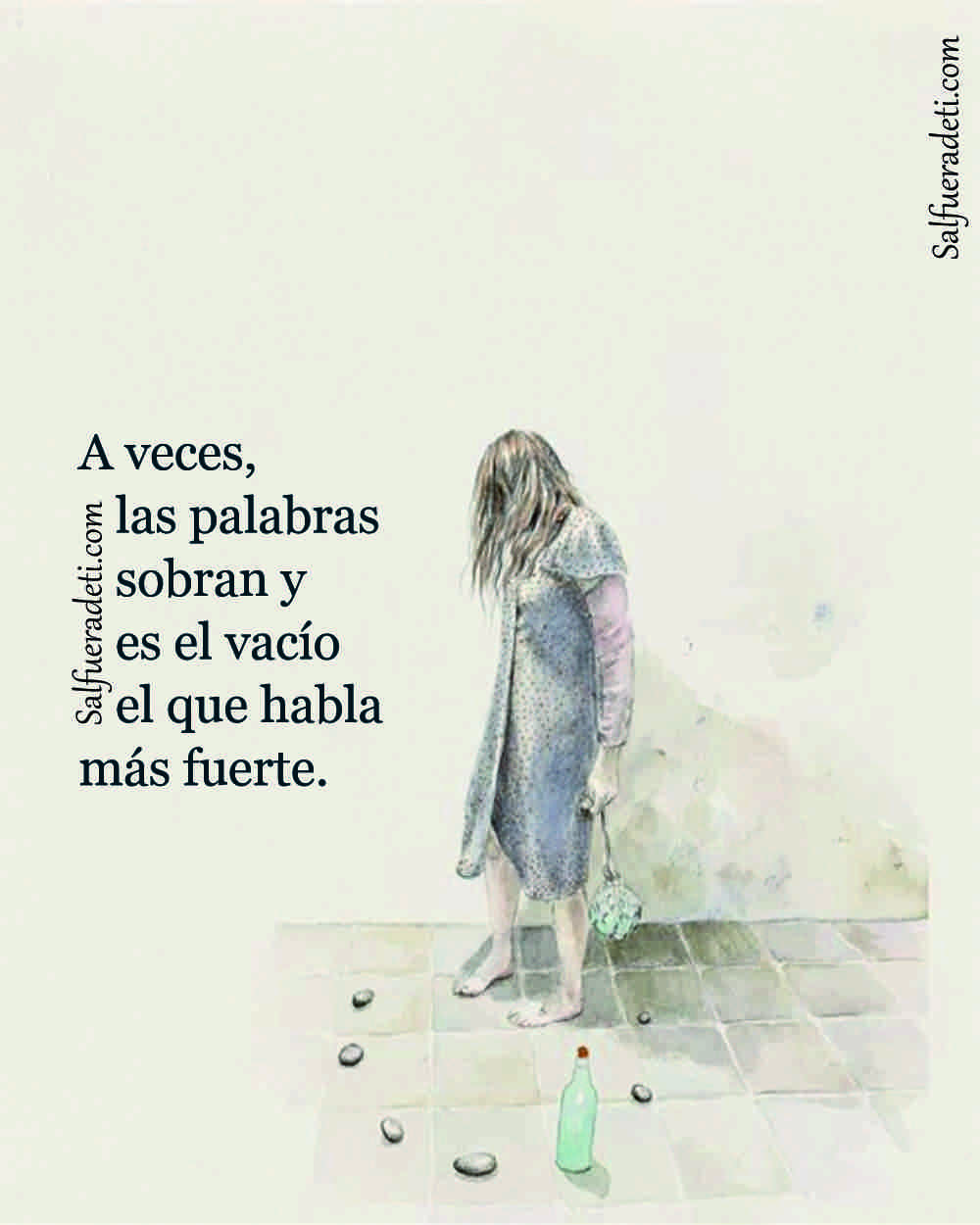
A veces Sobran las Palabras y el Vacío es el que Habla más Fuerte. El vacío es un lenguaje universal que trasciende las palabras. En las relaciones humanas, este vacío puede ser el resultado de expectativas no cumplidas, de emociones sin expresar o de un simple malentendido. Es en estos...
Durante mucho tiempo me sentí perdido, buscando respuestas fuera de mí. Pero al final comprendí que la felicidad y la paz interior solo se encuentran cuando aceptamos quiénes somos, con nuestras virtudes y defectos. Ha sido un largo viaje, pero ha valido la pena y ahora mundo ya estoy aqui!!!....
No dejes que el mundo te endurezca, que el dolor te haga odiar, que la amargura venza… No dejes de sentir que vale la pena vivir a pesar de la dureza del sentir, de las emociones que a veces nos apresan.... Sabes cuánto sufriste y lo que te costó partir,...
Cuando no te dejas pisar te llaman problemática, pero yo lo llamo amor propio.. REFLEXIÓN En muchas sociedades, se ha normalizado que las personas, especialmente las mujeres, se sometan a situaciones incómodas o abusivas para evitar conflictos o ser vistas como "difíciles". Temer al rechazo o a la desaprobación social...
El pasado es un libro cerrado. Mi nueva historia comienza hoy, y nadie la escribirá por mí. REFLEXIÓN Ver el pasado como un capítulo terminado. Al comparar el pasado con un libro cerrado, se da profundidad a la idea de que los eventos del pasado, aunque hayan sido significativos, ya...
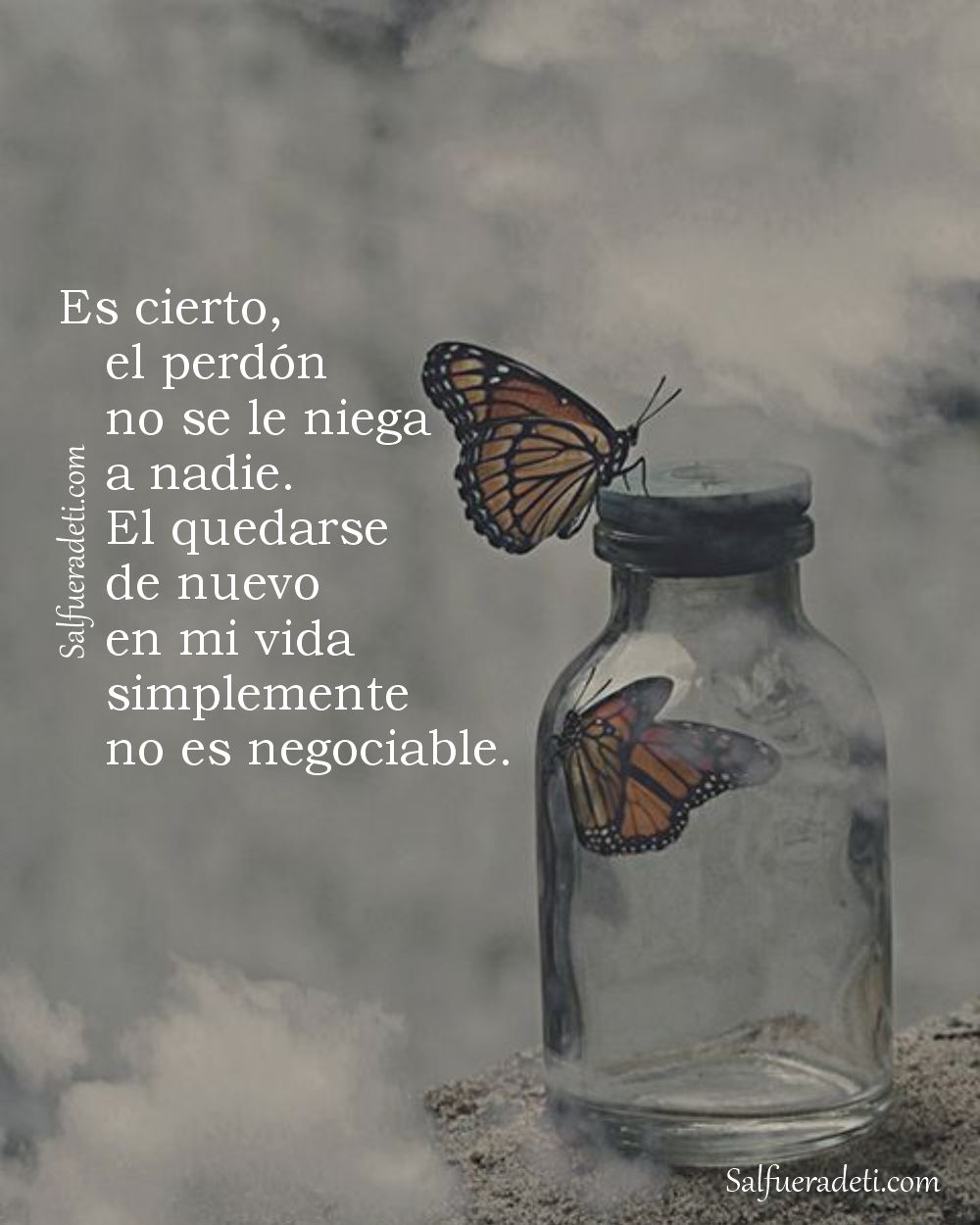
Es cierto, el perdón no se le niega a nadie. El quedarte de nuevo en mi vida simplemente no es negociable. REFLESIÓN Equilibrio entre perdón y límites. La frase establece una distinción entre el perdón y la reconciliación. Perdonar no implica necesariamente volver a establecer una relación o permitir que...
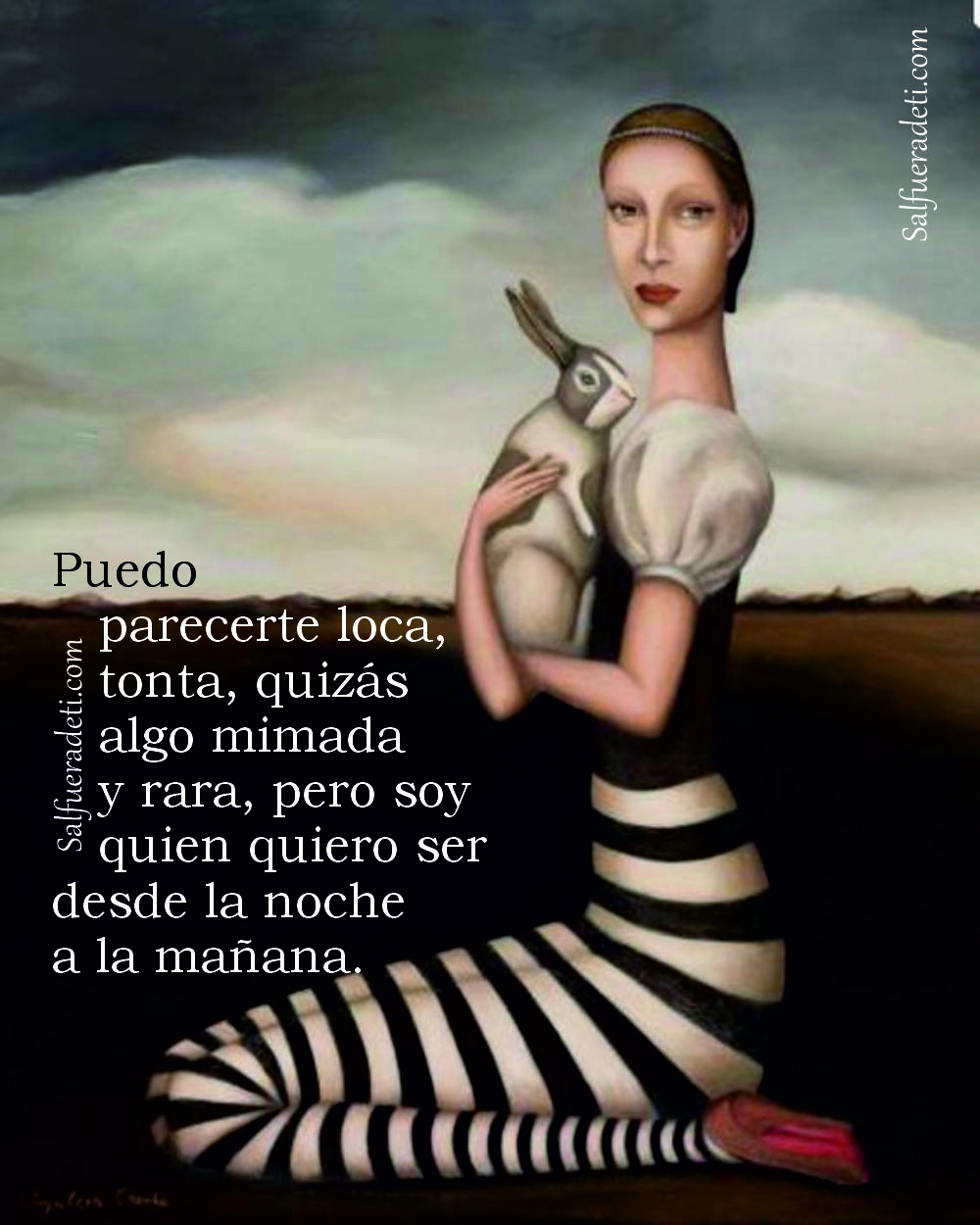
Puedo parecerte loca, tonta, quizás algo mimada y rara. Pero soy quien quiero ser desde la noche a la mañana sin fijarme si tú eres fiel o juegas con las emociones de quien dices que amas. Hoy estoy donde quiero estar y desde ese punto no me importa nada más....
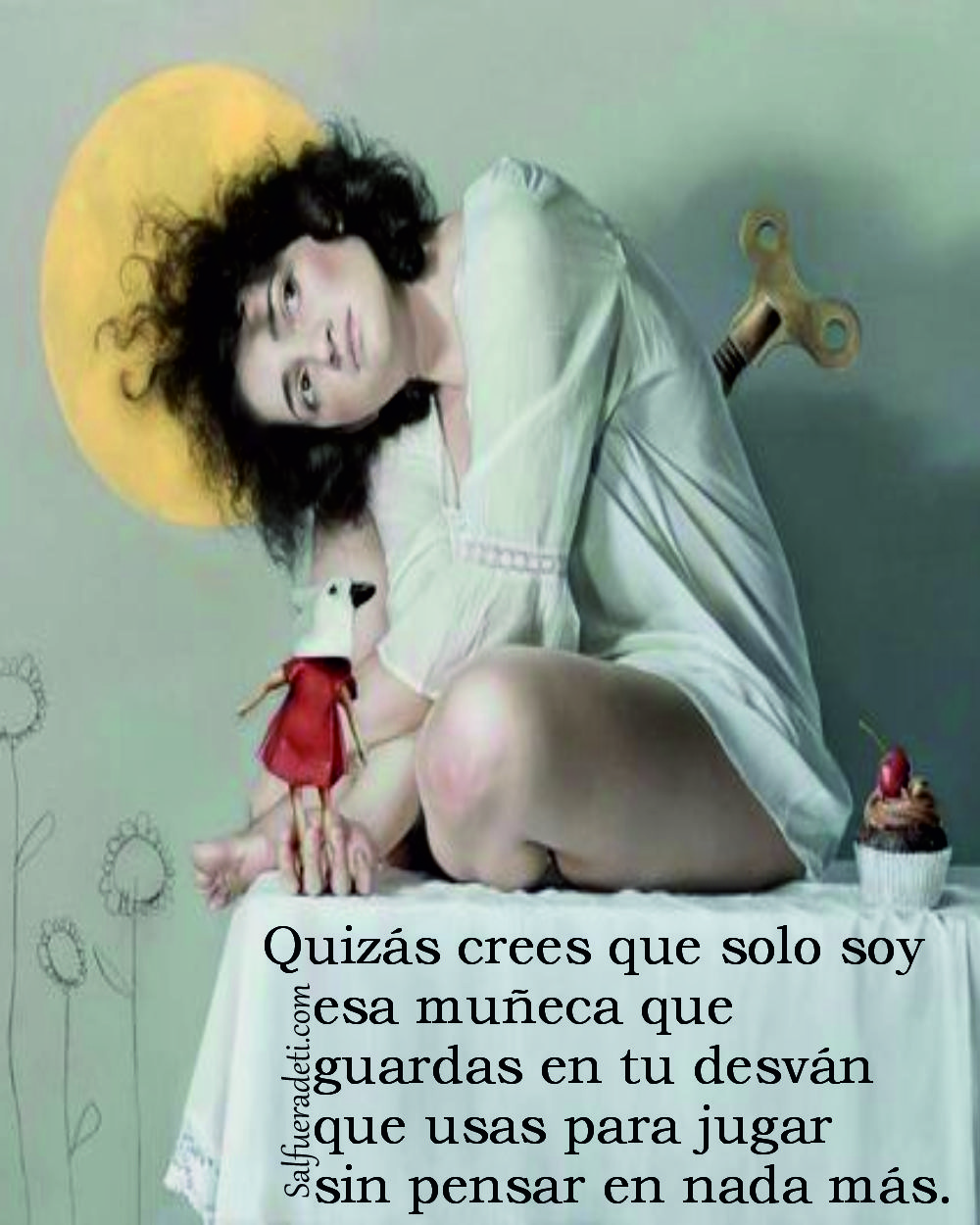
Quizás crees que solo soy esa muñeca... Quizás crees que solo soy esa muñeca que guardas en tu desván que usas para entretenerte, para jugar sin pensar que no soy nada más. Te equivocas. Soy quien guarda tus pasiones, a quien le hablas sin tapujos de tus ilusiones, a quien...
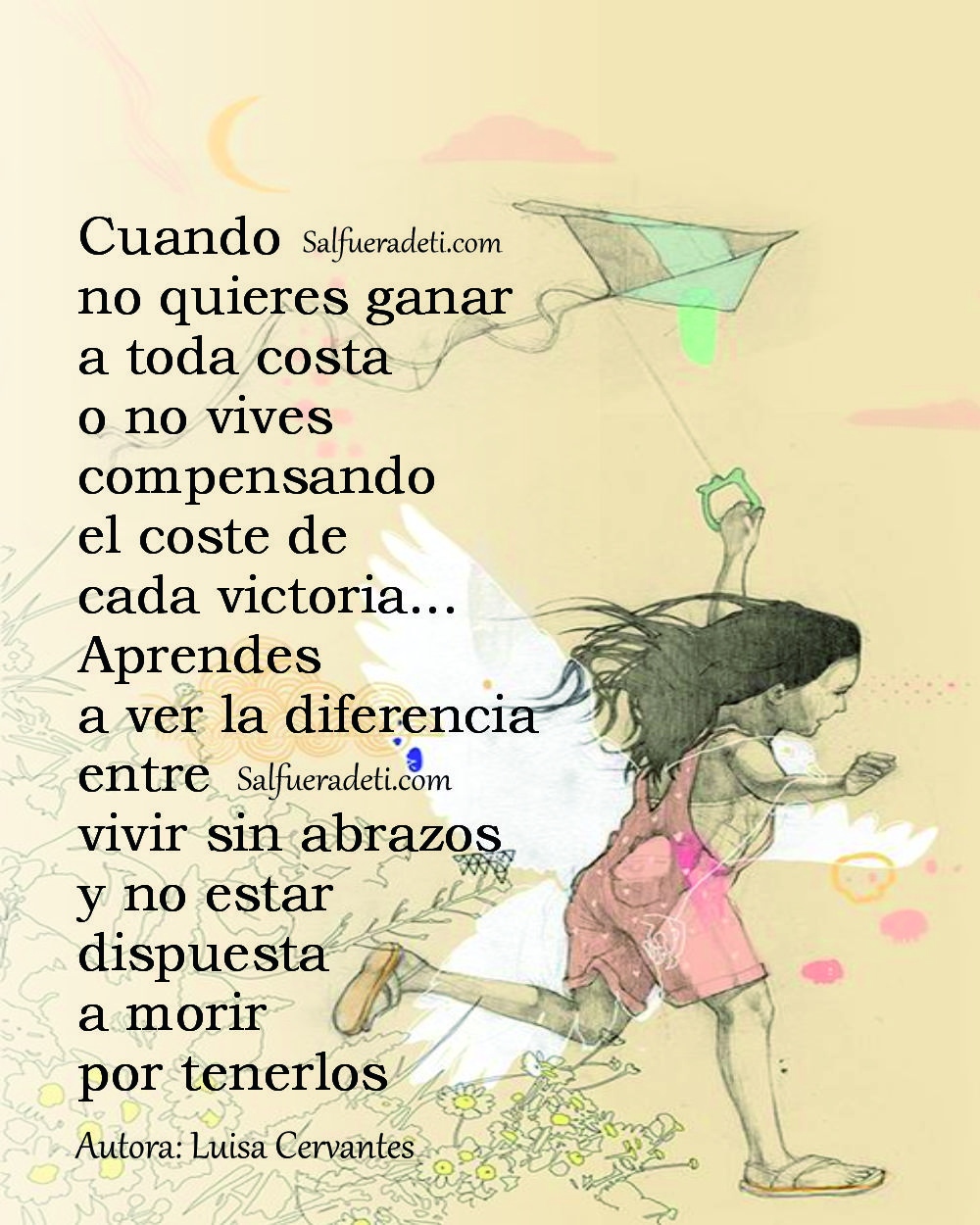
La diferencia entre vivir sin abrazos y no morir por tenerlos. Cuando entiendes qué cosas son importantes y que hay luchas que no valen la pena. Cuando te llenas con las cosas sencillas y disfrutas de los pequeños momentos, de esos pequeños detalles. Cuando no quieres ganar a toda costa...
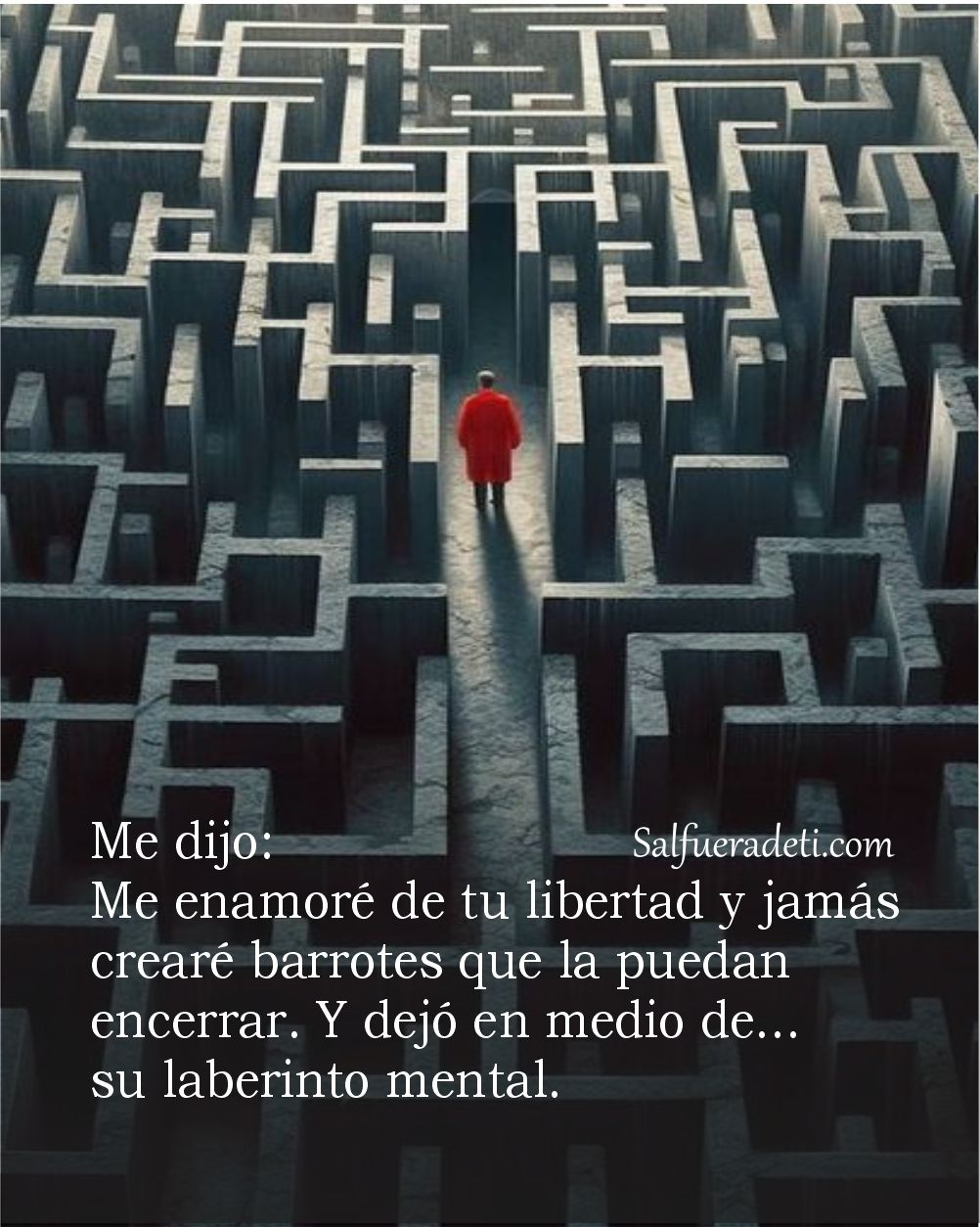
Me dijo: "Hay algo que te puedo asegurar: me enamoré de tu libertad y jamás crearé barrotes que la puedan encerrar". Pero me dejó en medio de su laberinto mental, donde ni él era capaz de escapar. Creado por: Jose Luis Vaquero
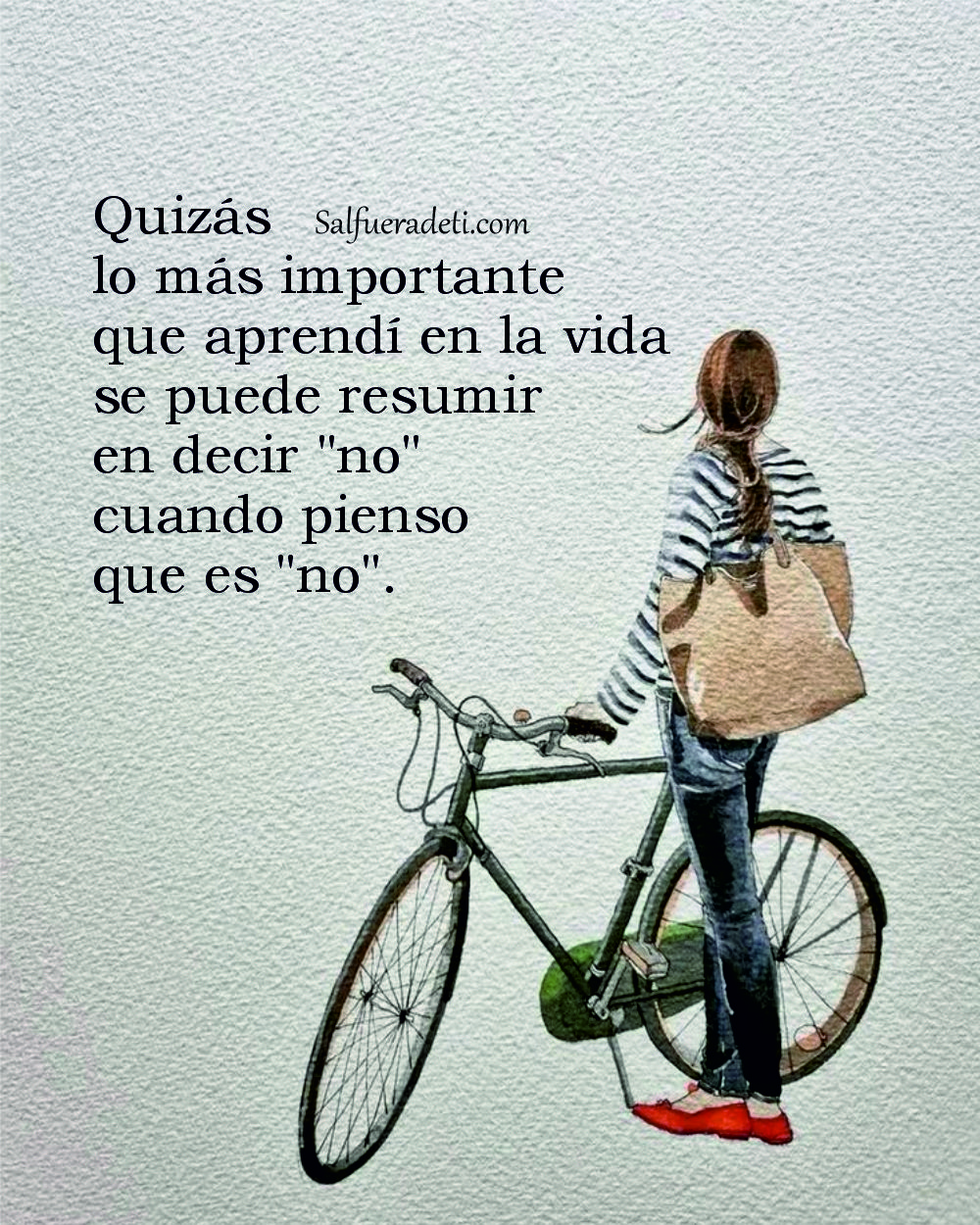
Quizás lo más importante que aprendí en la vida se puede resumir en decir "no" cuando pienso que es "no". Quizás lo más importante que aprendí en la vida es la capacidad de decir "no" cuando considero que es necesario. Decidir rechazar algo que no se alinea con mis valores...
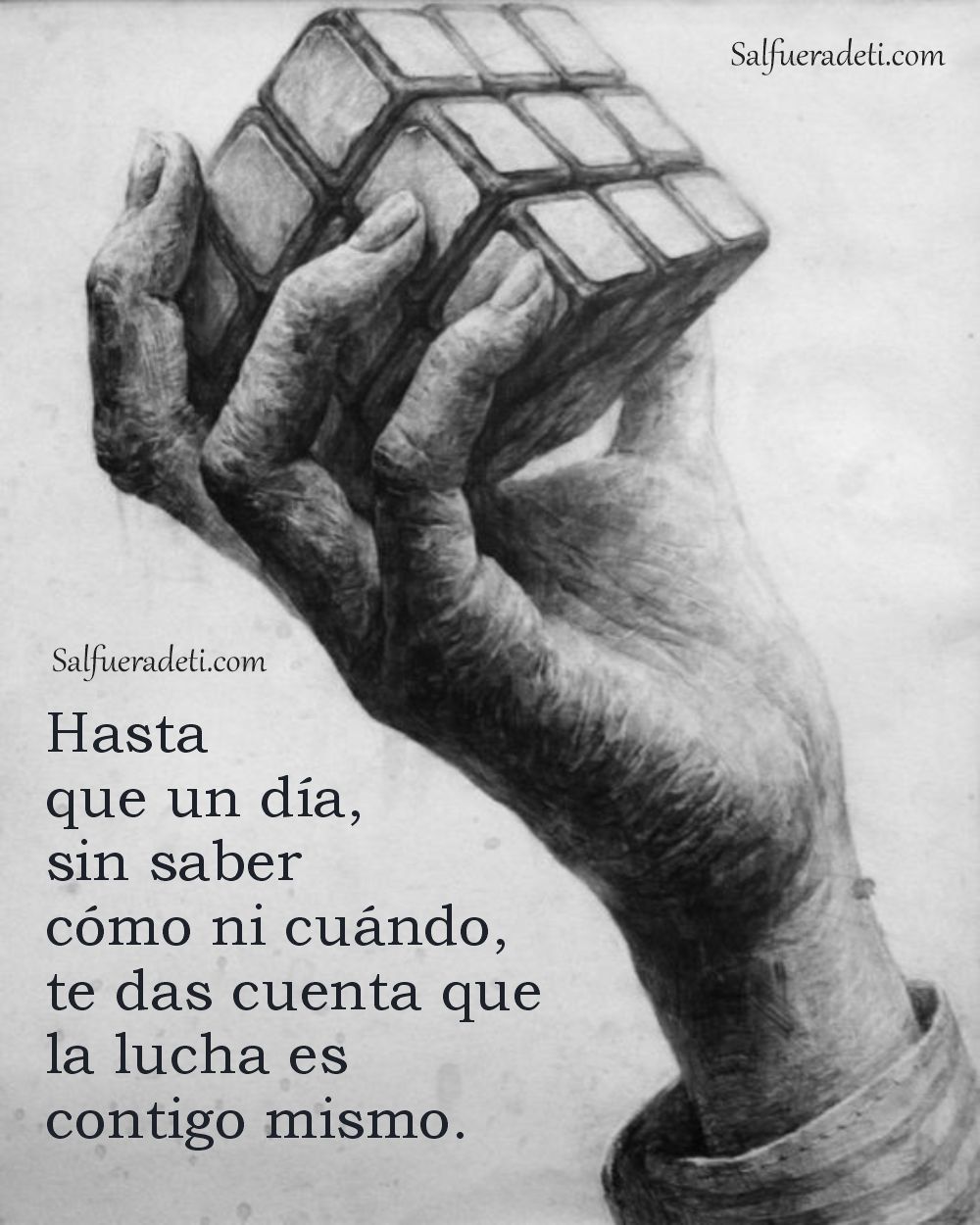
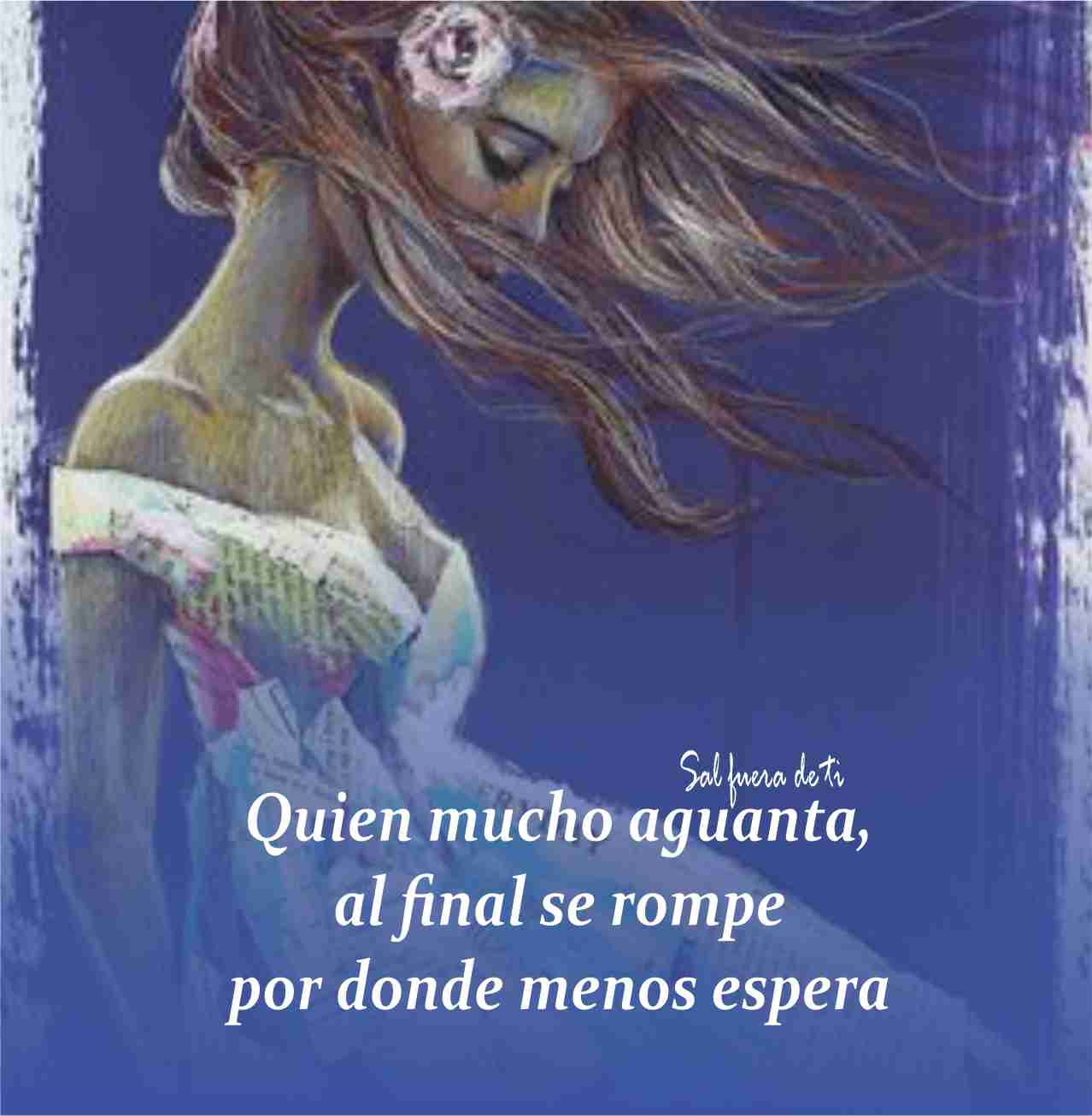
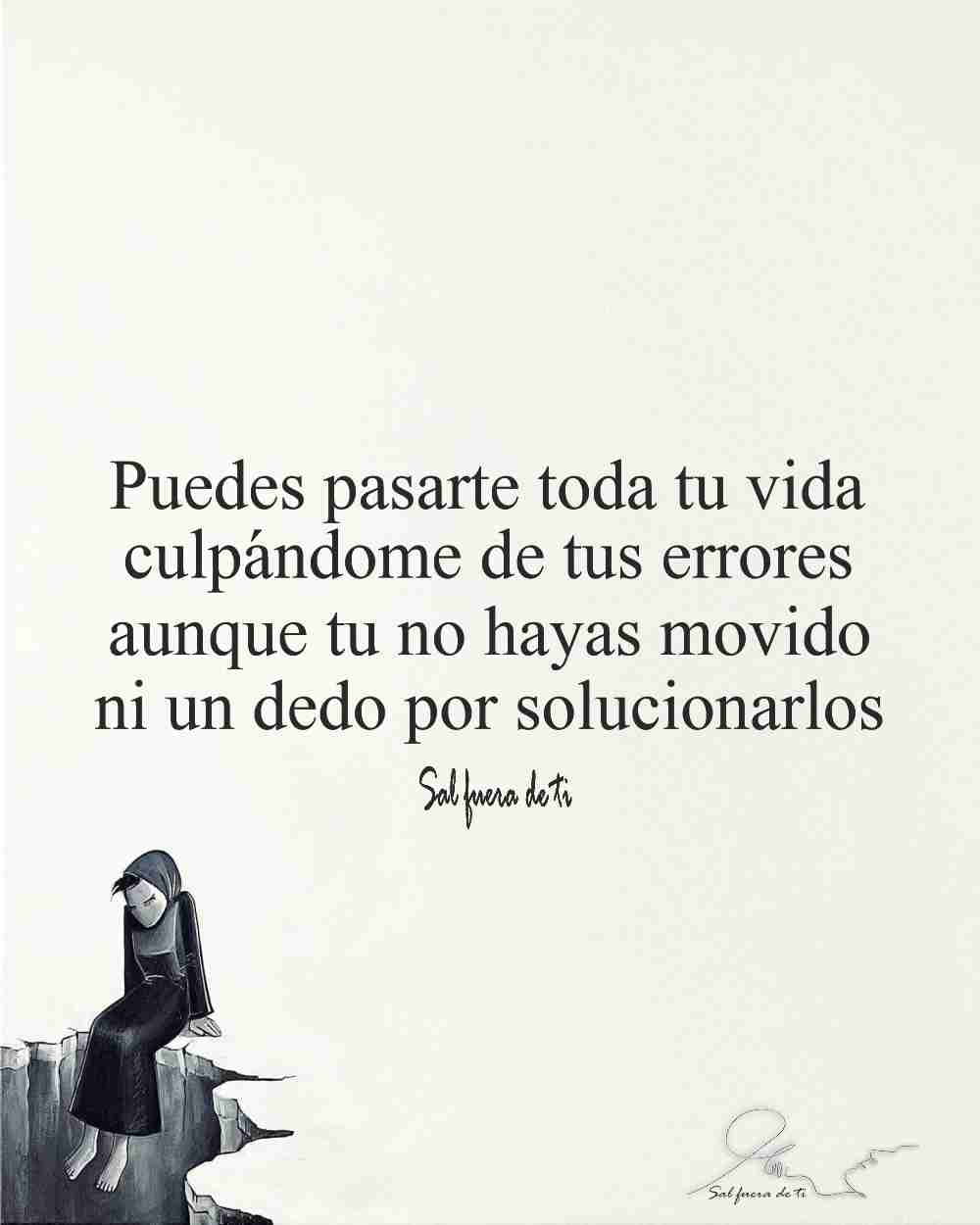
Te tiras media vida luchando, esforzándote al máximo, culpando a los demás y a la sociedad de tus propios problemas, de tus fracasos… Hasta que un día, sin saber cómo ni cuándo, te das cuenta de que en realidad la lucha es contigo mismo. Y hasta que no haces ese...
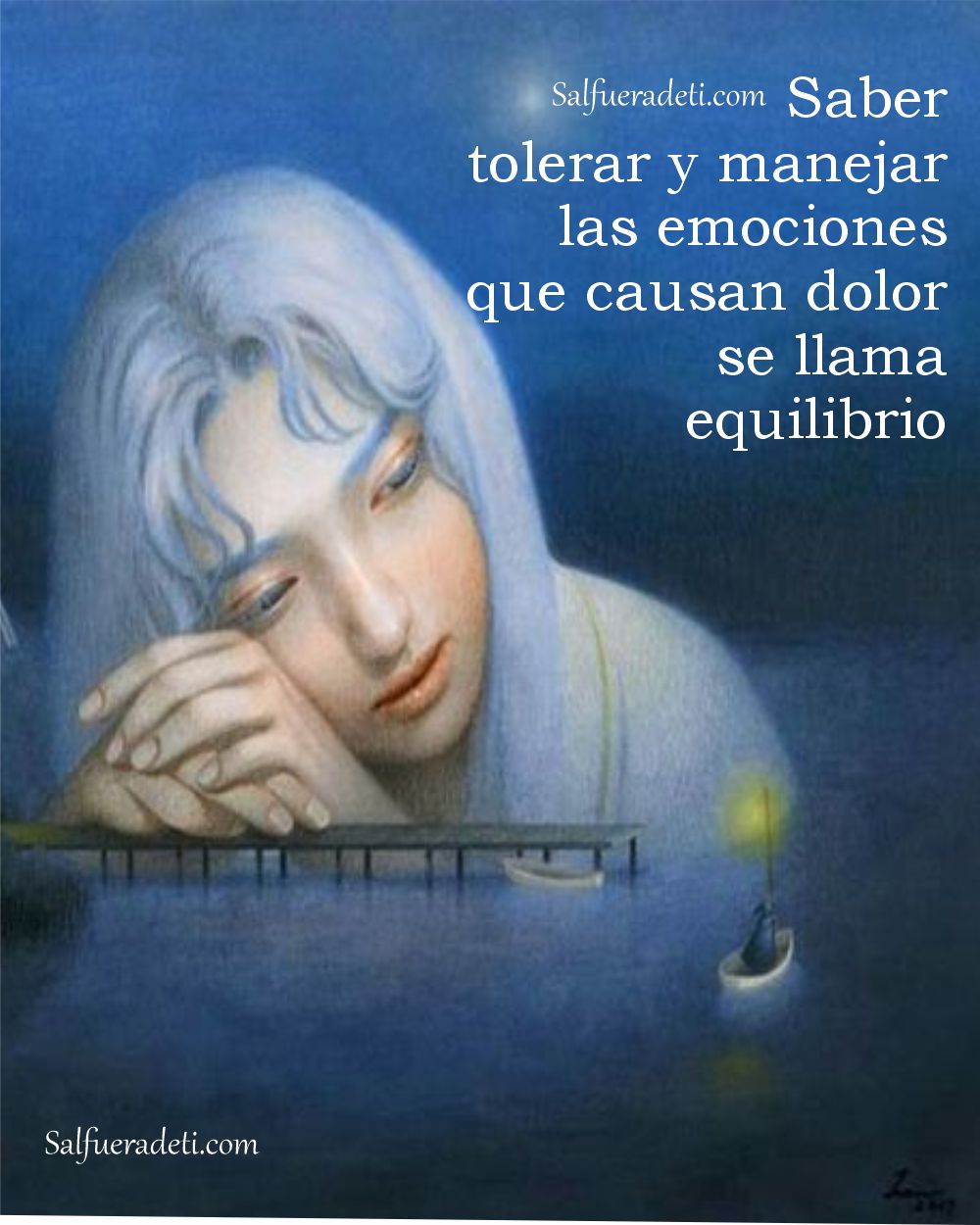
Tolerar las emociones que causan dolor se llama equilibrio. Tener la habilidad de manejar y tolerar las emociones dolorosas implica una profunda comprensión de uno mismo y de las situaciones que enfrentamos en la vida. Es un indicador de madurez emocional y fortaleza interior. Cuando somos capaces de enfrentar estas...
Cuídate de mí porque no me reconozco ni yo misma...Las palabras resuenan en mi interior con una intensidad que me estremece. Es como si una ola de emociones me arrastrara hacia un mar desconocido, donde las aguas turbulentas de la transformación amenazan con tragarme por completo. Siento que estoy cambiando...
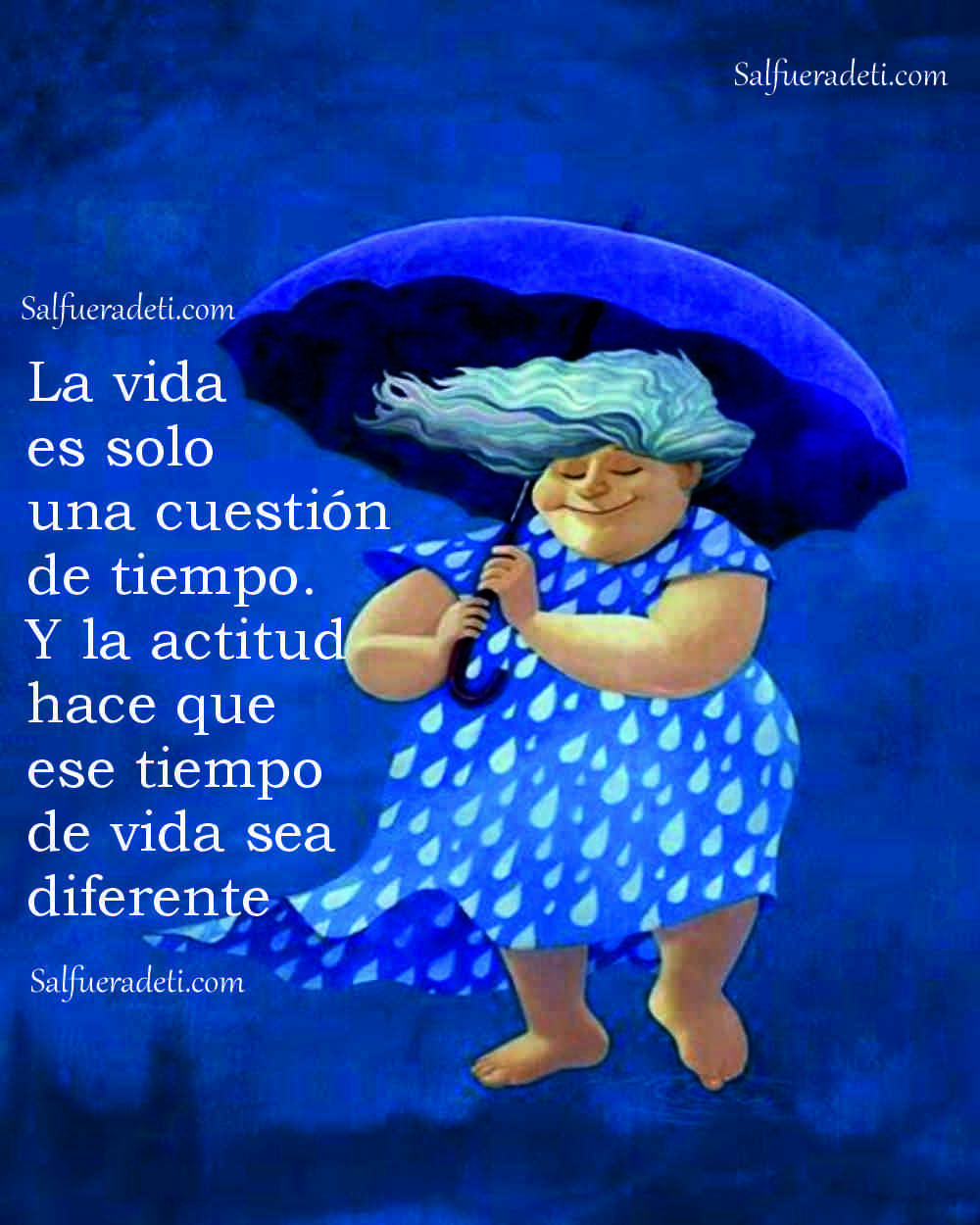
La vida es solo una cuestión de tiempo. Y la actitud hace que ese tiempo de vida sea diferente. La vida, esa estrella fugaz en el lienzo del tiempo. Un regalo imposible de evaluar que se escurre entre mis dedos como arena fina del mar. Quizás tan solo un tiempo...
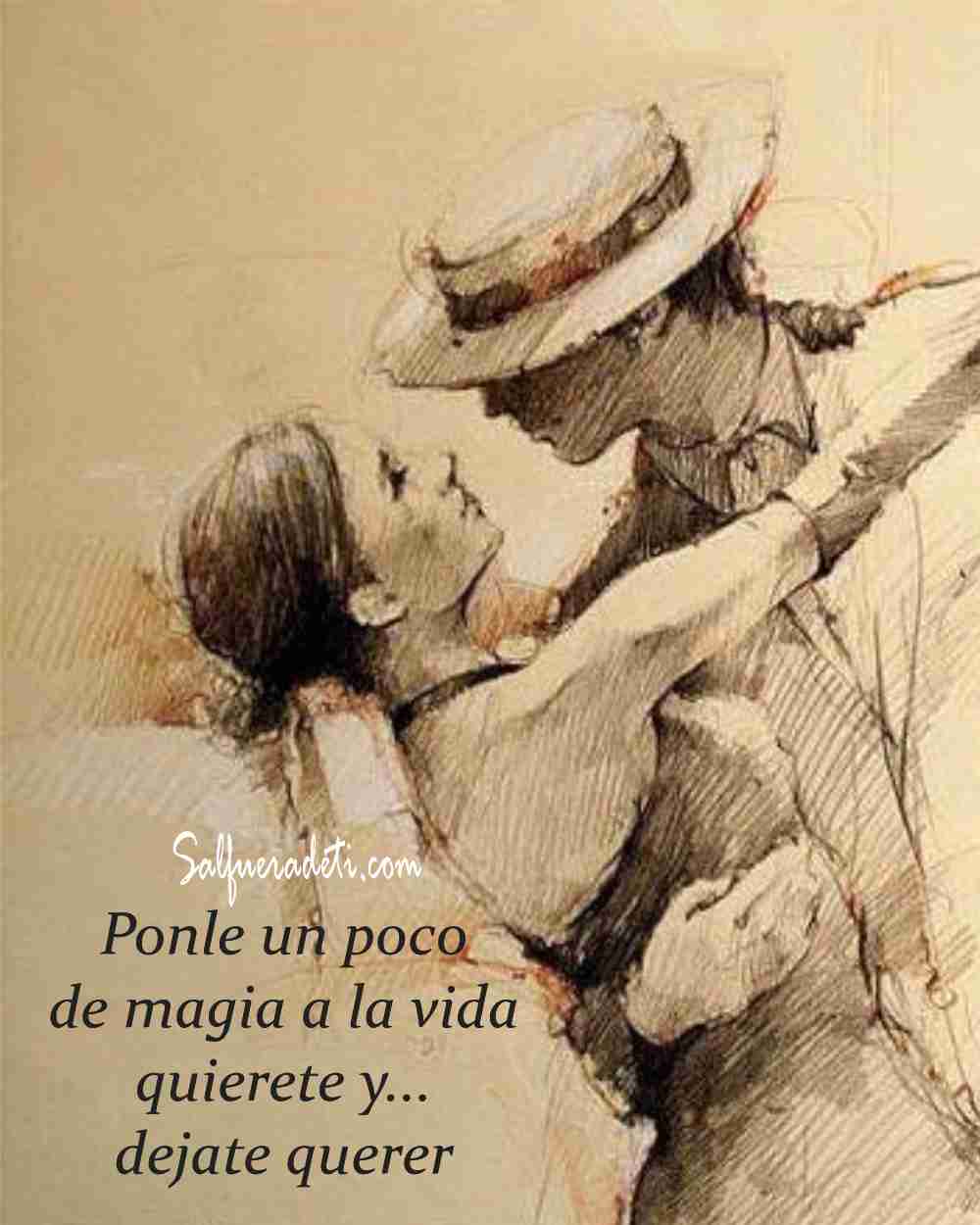
Quierete y déjate querer, ponle un poco de magia a la vida porque... Todos necesitamos el cariño de los nuestros para ser felices. No te aísles en soledad, en tu tristeza, compártela con los que te quieren y déjate mimar. De la misma forma, cuando tengas un poco de amor,...
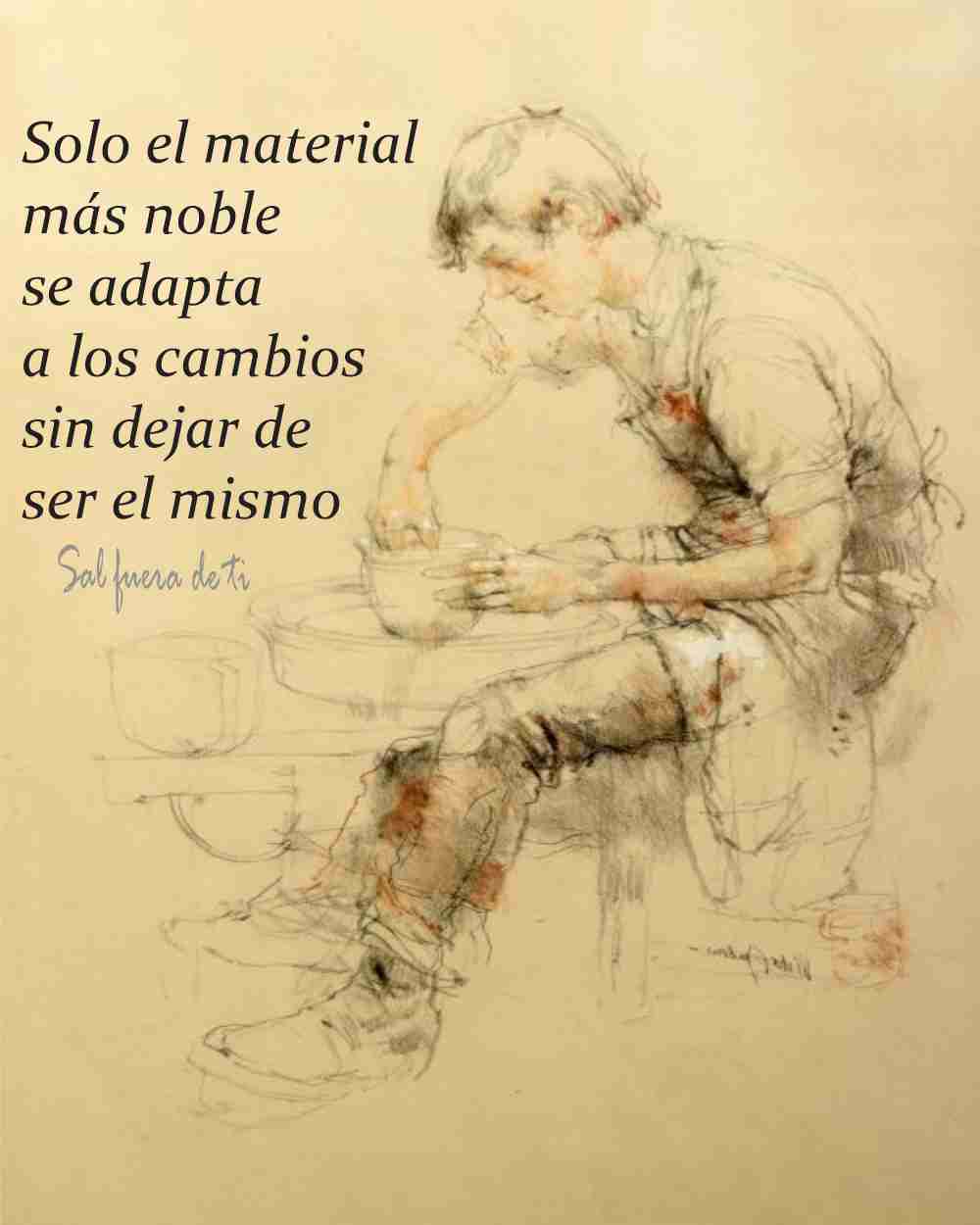
El tejedor de sueños… mí amigo el alfarero, esa profesión casi echada en el olvido, incluso a veces mal vista por algunos, quizás, por vieja y antigua… Pero que al pensar en el no dejo de sorprenderme por lo que es capaz de hacer. Porque él, puede darle mil formas...
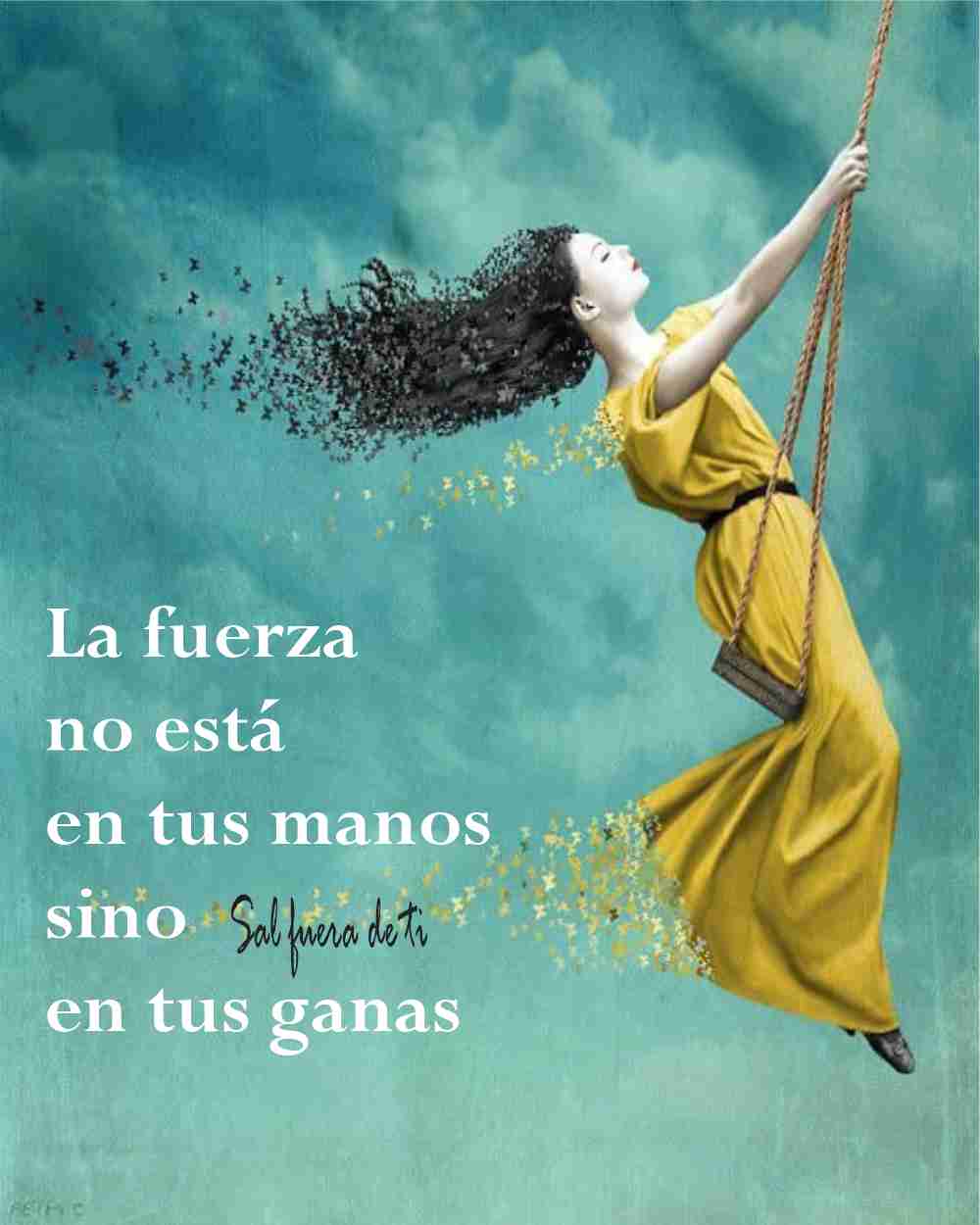
No te olvides, recuerda que tu fuerza no está en tus manos si no en tus ganas. A veces vivimos equivocados poniendo nuestro empeño en lo más evidente, y a su vez se nos pasa desapercibido lo más coherente. La fuerza sin una idea, un pensamiento que lo acompañe no...
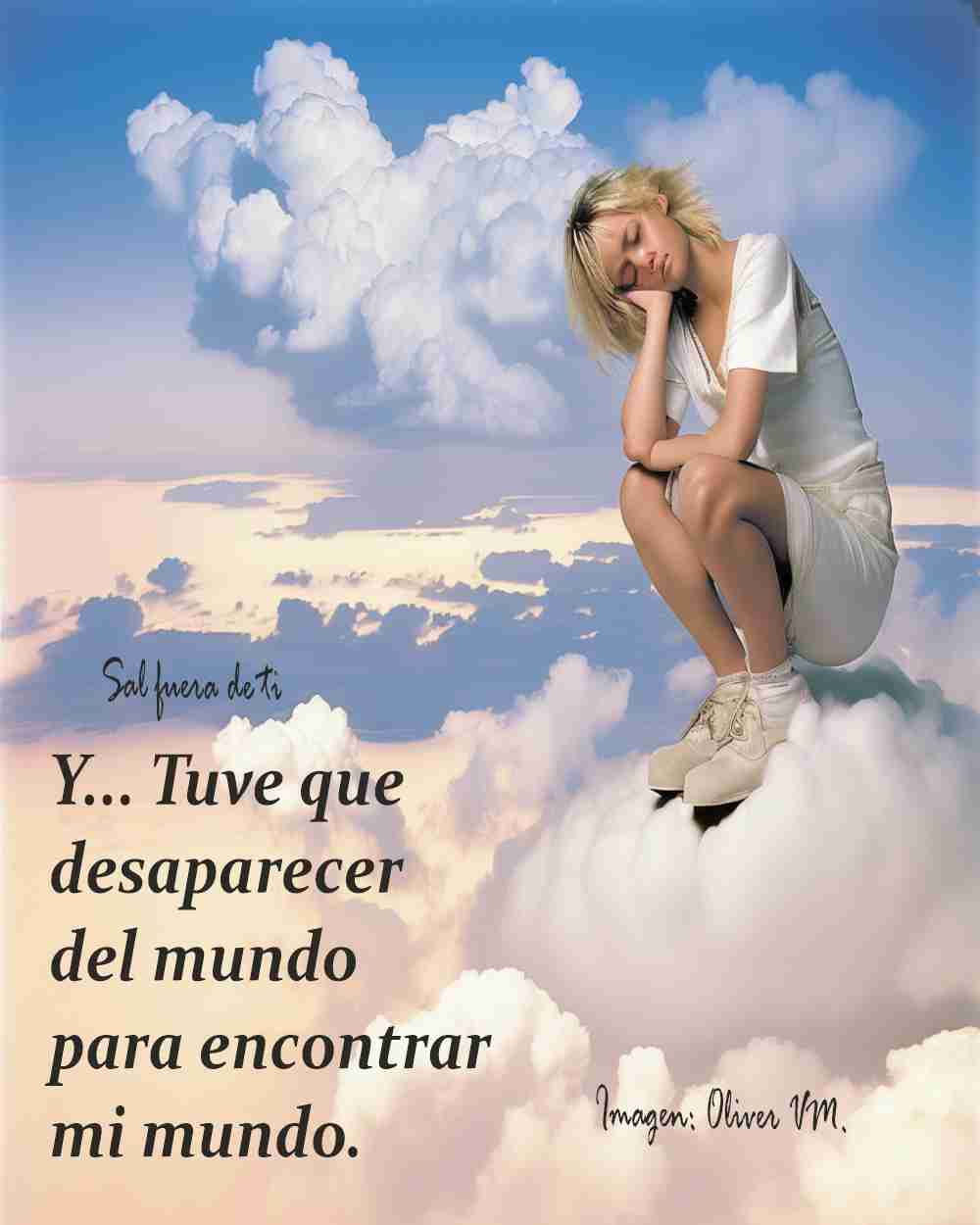
Y tuve que desaparecer del mundo para encontrar mi mundo de nuevo. Al principio no lo reconocí, tube que reaprender para poder reconocerlo. Sé, que algunos lo llamaran soledad. Yo lo llamo paz, sosiego y reencuentro, porque me había perdido sin saberlo. Lo supe y lo entendí al reencontrarme de...
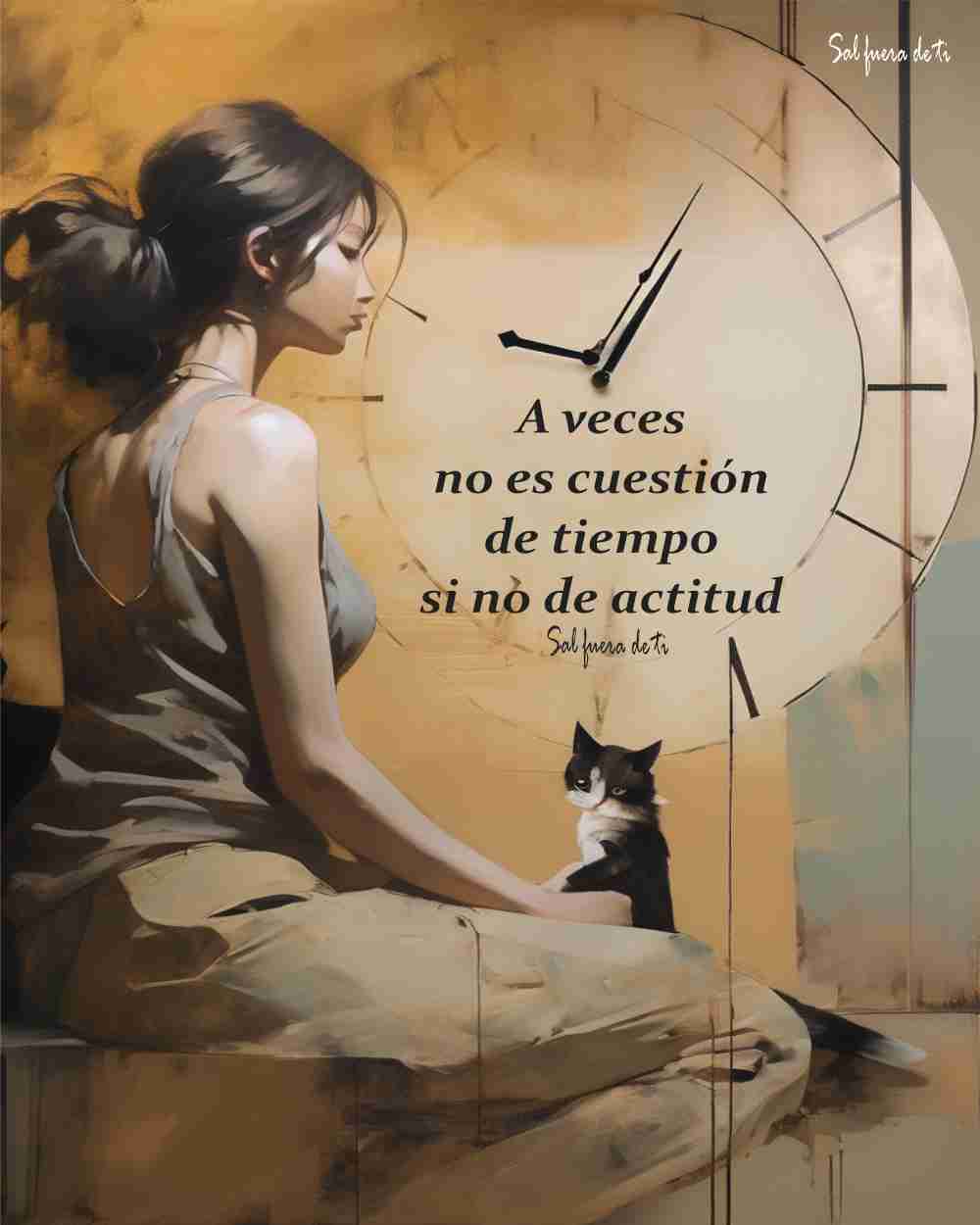
A veces no es cuestión de tiempo, sino de actitud, de calma. A veces el reloj no marca las horas sino se convierte tan solo en un contador de los acontecimientos. Otras veces la dulzura amarga de las emociones, son incontables en un solo segundo y sin embargo pueden ser...
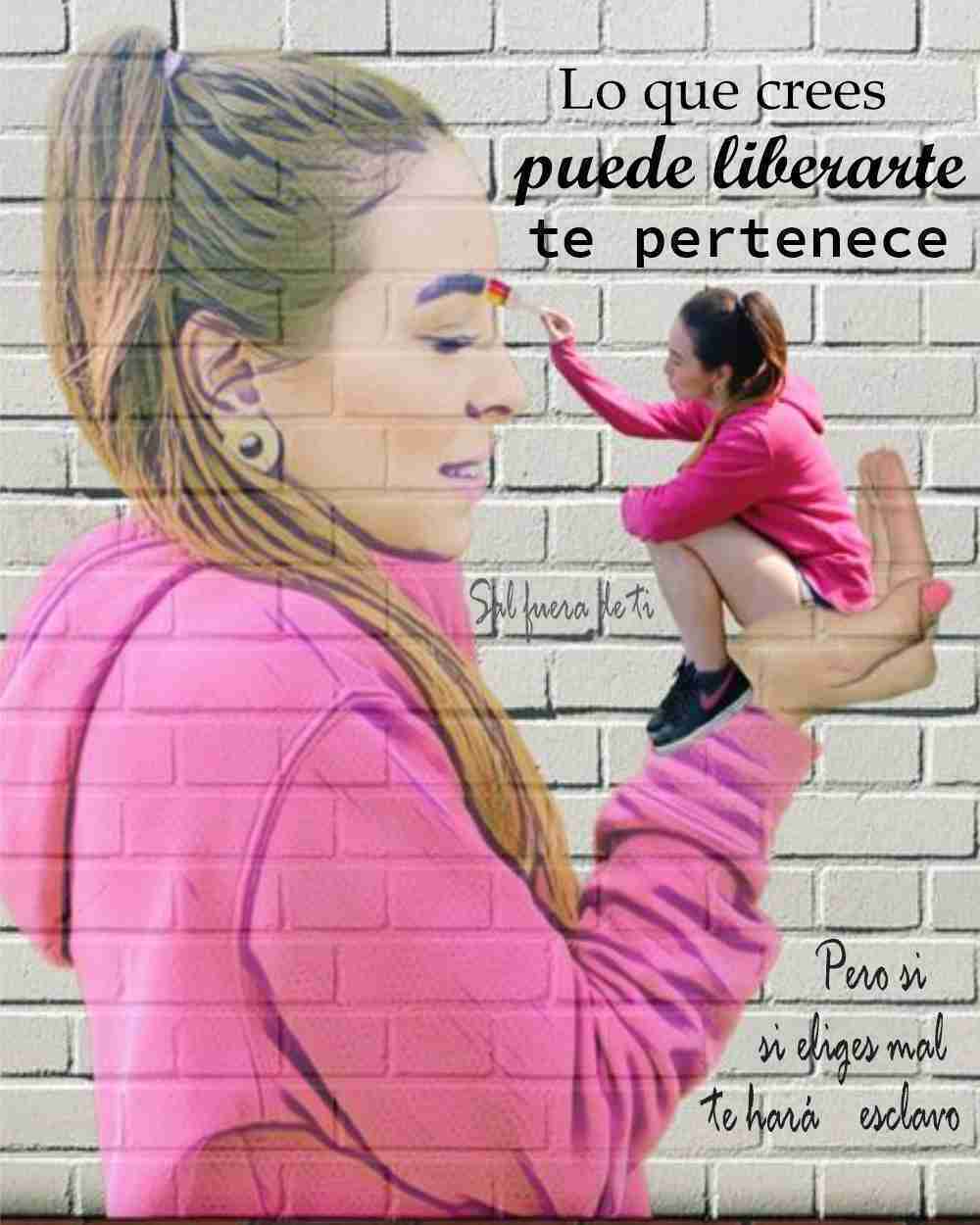
Lo que crees puede liberarte, pero a la vez también puede hacerte esclavo. Ten cuidado, cuida en lo que crees. Todos estamos de algún modo desactualizados y en el día a día, cuando interactuamos con los demás, poco a poco nos programamos. Elijamos nuestro entorno más cercano con cuidado, que...
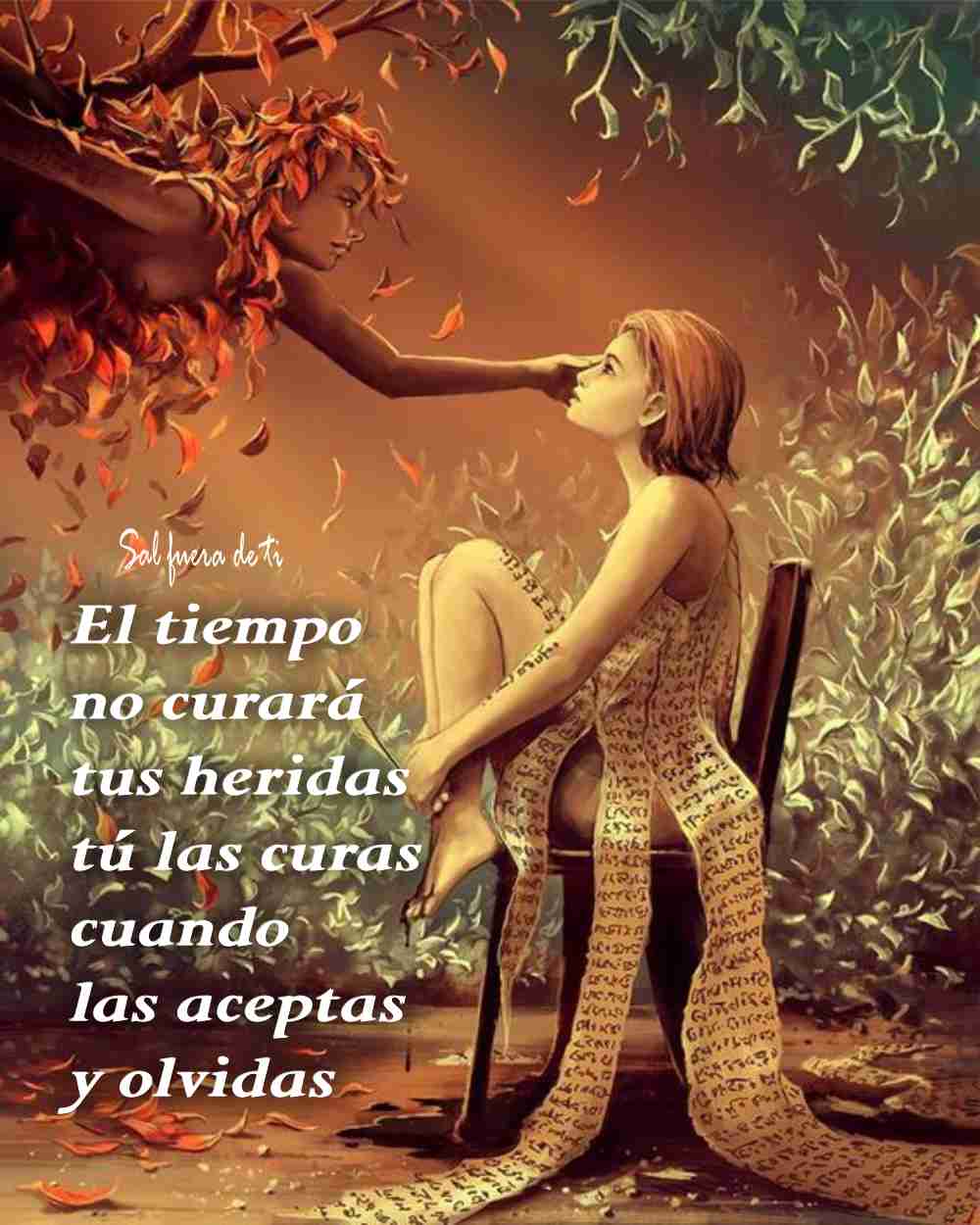
¿Lo recordarás? Sabes que, el tiempo no curará tus heridas. Tú las curas cuando las aceptas y olvidas.... Y formará parte de tu equilibrio personal, usar la actitud, para llegar a aceptar, sin sumisión, sin rendición... Es el mejor protocolo para quizás no olvidar, pero si dejar atrás, lo que...
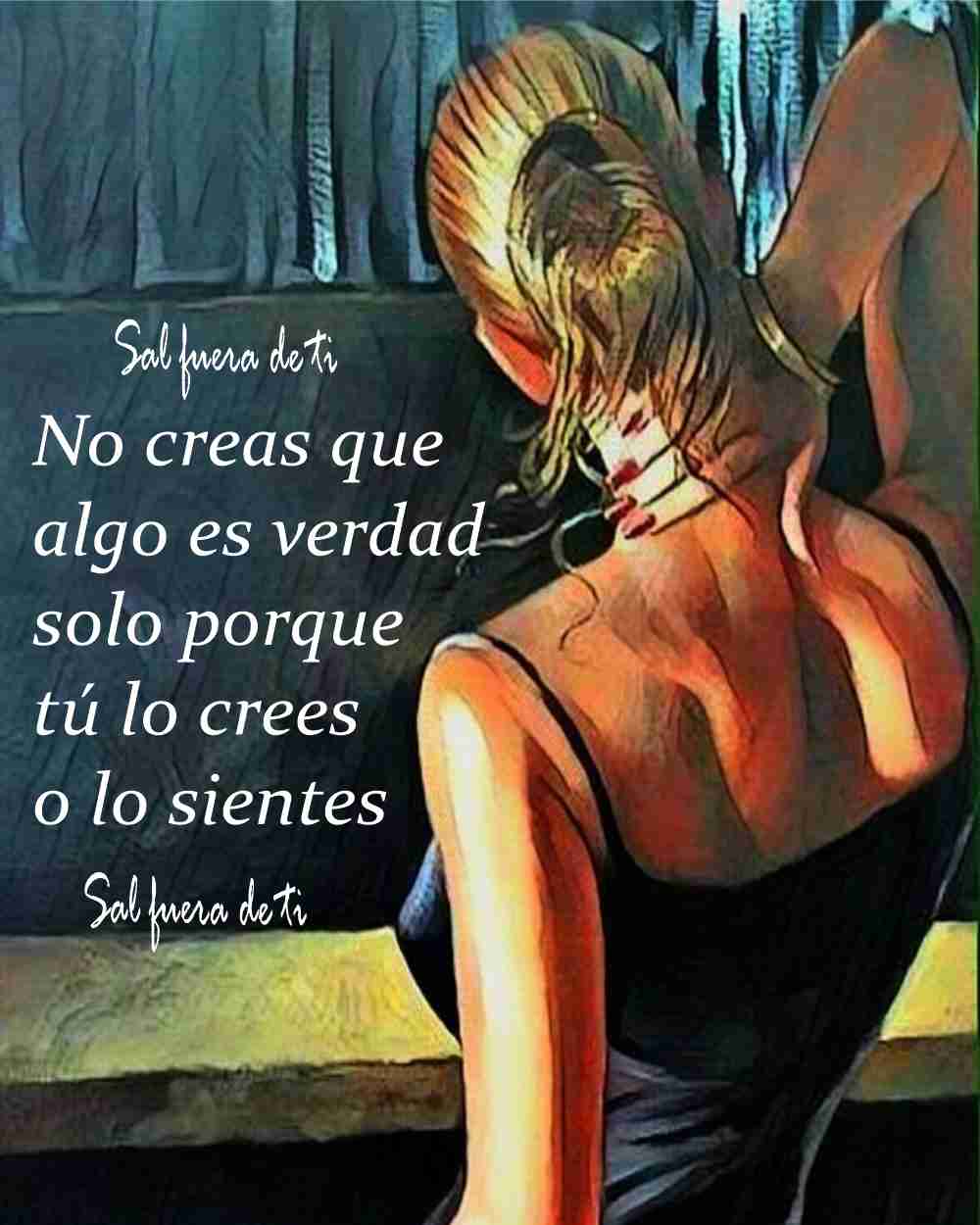
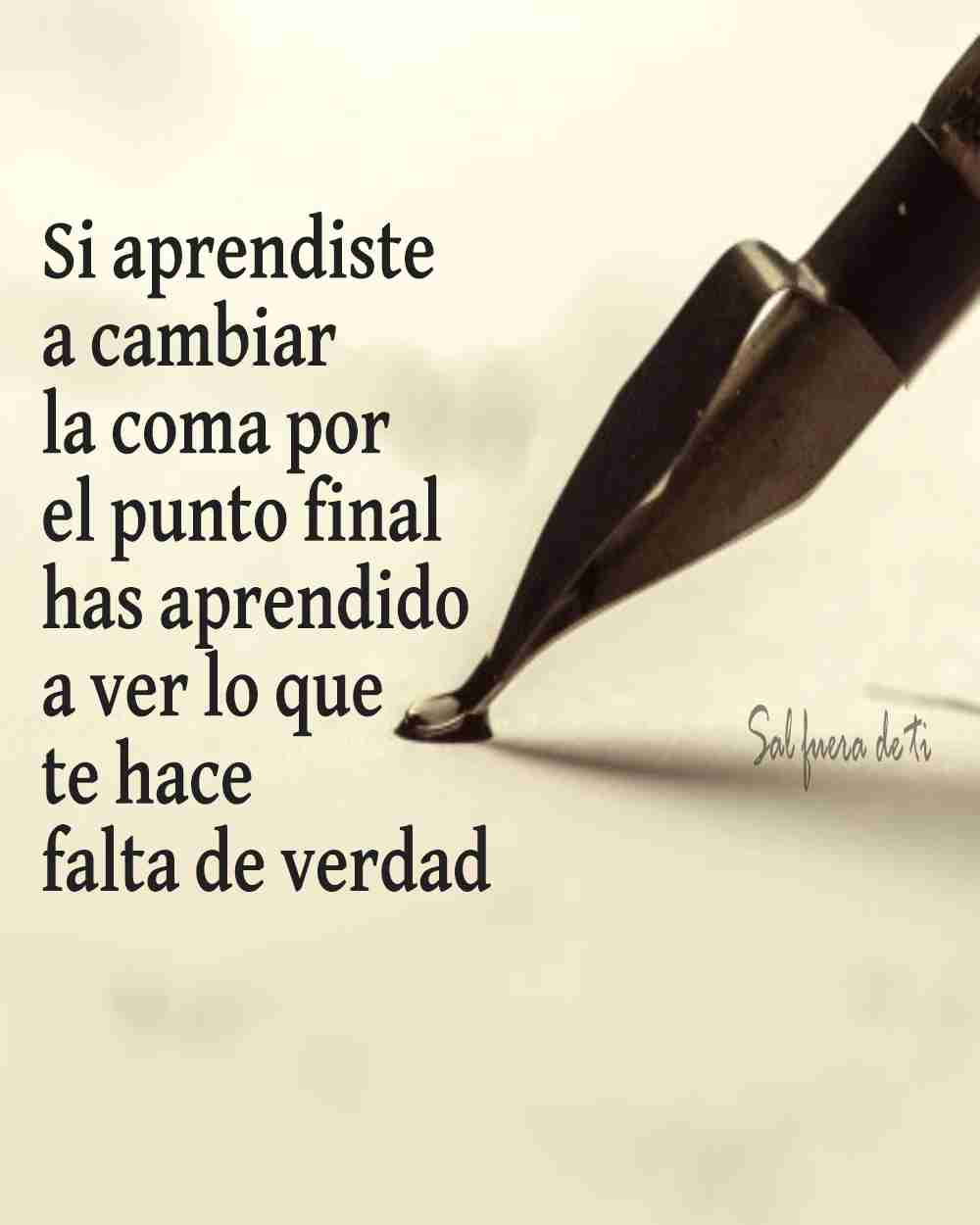
No creas que es verdad solo porque lo sientes, atrévete y duda de tu realidad pues, entiende que a veces la mente nos puede engañar y hacernos ver una realidad diferente incluso inexistente. Ponle cuidado, cuestionate incluso a ti mismo antes que a los demas y aprende a ver lo...
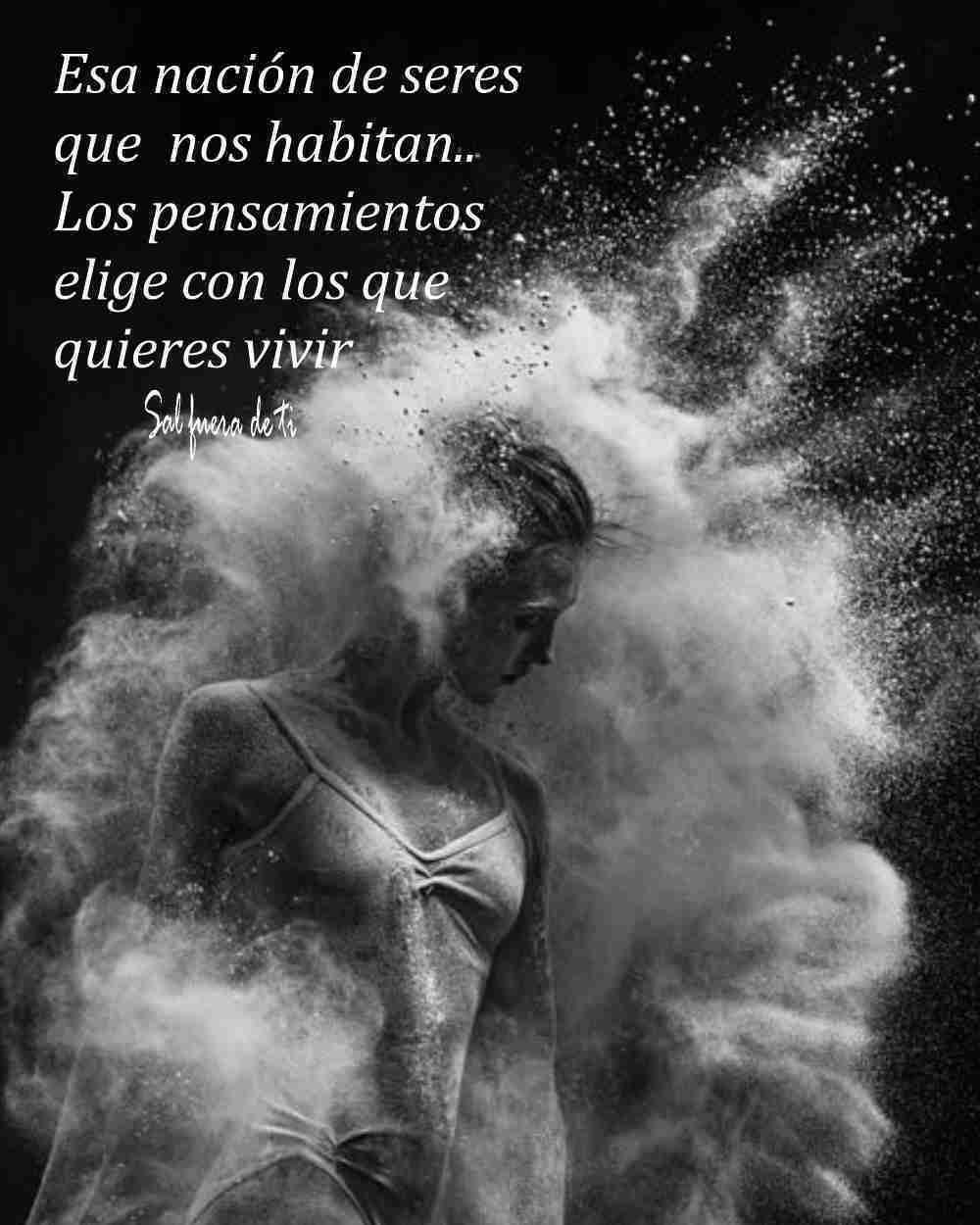
Cuando hablamos de nuestro mundo interior en realidad, hablamos, de nuestro mundo mental por tanto, hablamos de los pensamientos que habitan en nosotros, ellos forman esa nación de seres que nos habitan, esta en ti con los que quieres convivir… Piensa que cada uno de los pensamientos están vivos, y...
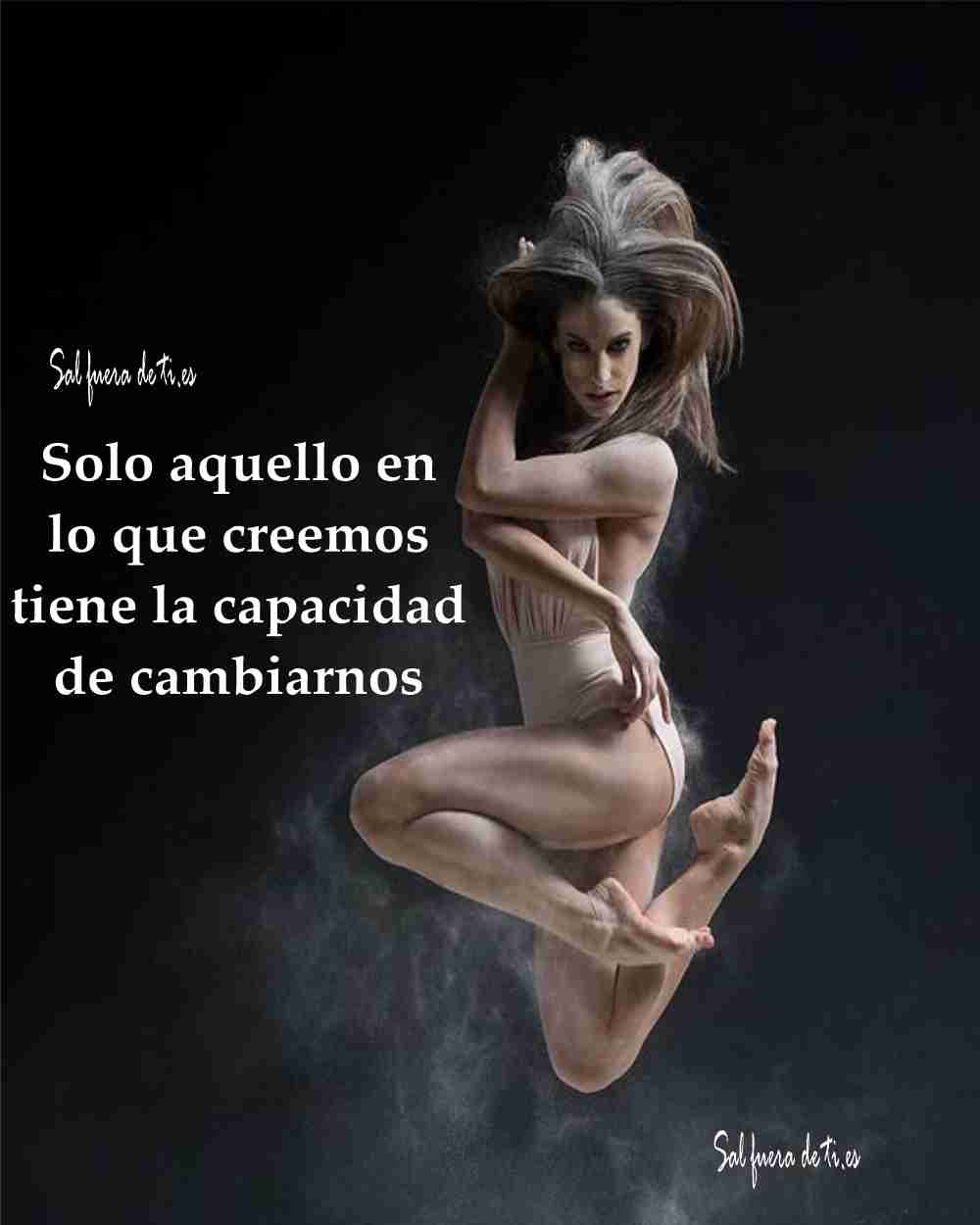
Cuida tus pensamientos, lo que te hables, lo que te dices a ti mismo desde tus silencios, analízalos, con tacto, de frente, entendiéndolo, porque solo aquello que nos define, en lo que creemos tiene la capacidad de cambiarnos y nadie está libre de ello. Si, solo aquello en lo que...
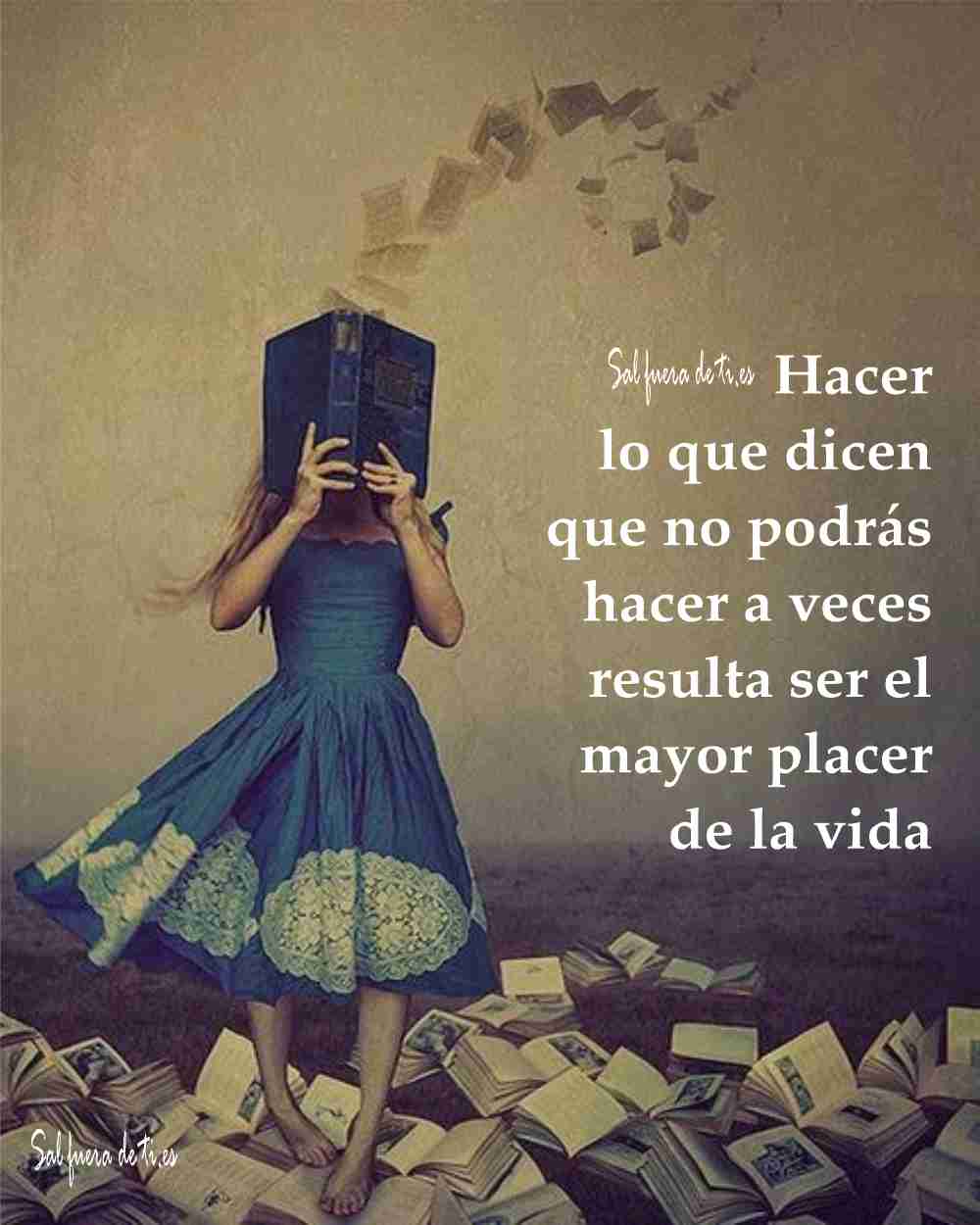
Hacer lo que dicen que no podras hacer a veces resultará ser casi seguro uno de los mejores placeres de tu vida. No te cortes ni fijes tus metas por lo que piensen, por lo que digan, pues la mayor parte de las veces, te juzgaran por lo que ellos...
Hay personas que hacen lo que sea, no importa lo absurdo, para intentar evitar enfrentarse con su propia realidad. No pongas en peligro quién eres por alguien que probablemente, no sabe lo que quiere . Las personas que elegimos para nuestra convivencia han de aportarnos a pesar de las diferencias,...
Deberías prestar atención. Hasta en la peor situación posible, siempre hay una causa, una razón, algo que te puede liberar. Pues aunque a veces no pueda parecerte aparentemente real, la esclavitud del pensamiento, de las emociones y las costumbres aprendidas, arcaicas, caducas, viejas pueden originar en ti muchos conflictos a...
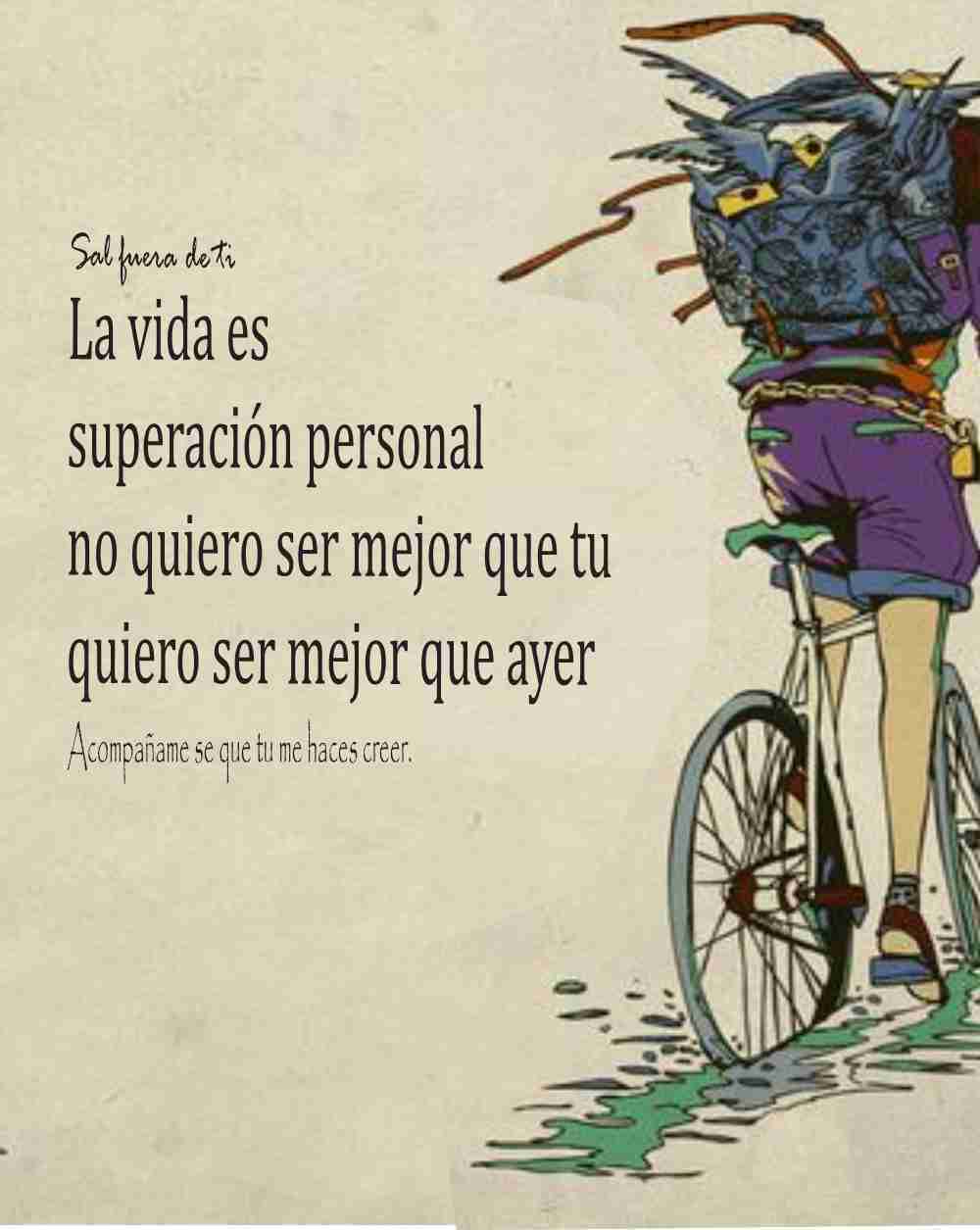
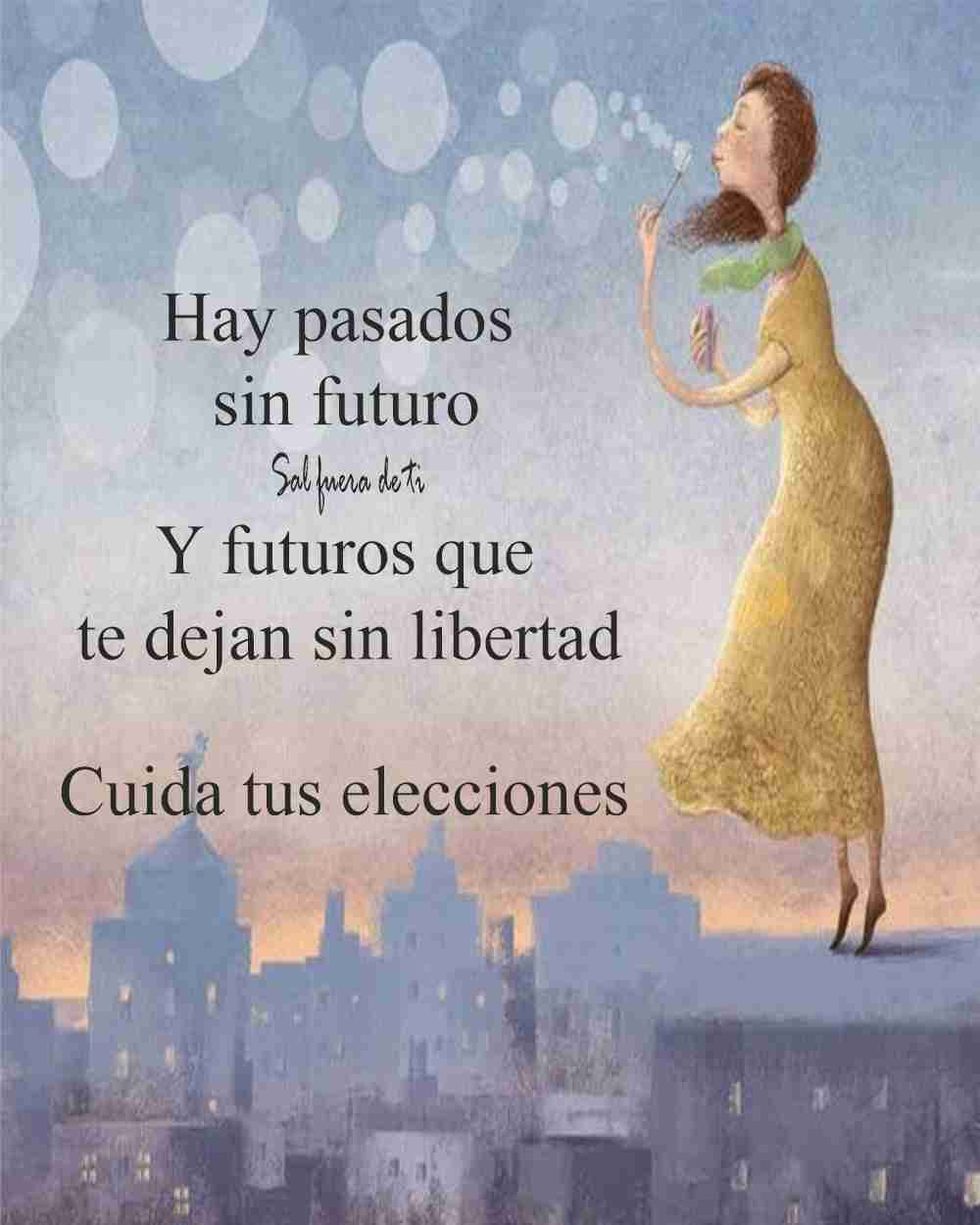
Si vives anclada en el ayer, el hoy lo vivirás condicionada de lo que puedo ser y no fue. Si vives enfrentando el mañana con tu ayer, vivirás anclada sin saber cuál habría sido tu hoy. Sincroniza tu ser, vive tu hoy real y deja de vivir el mañana de...
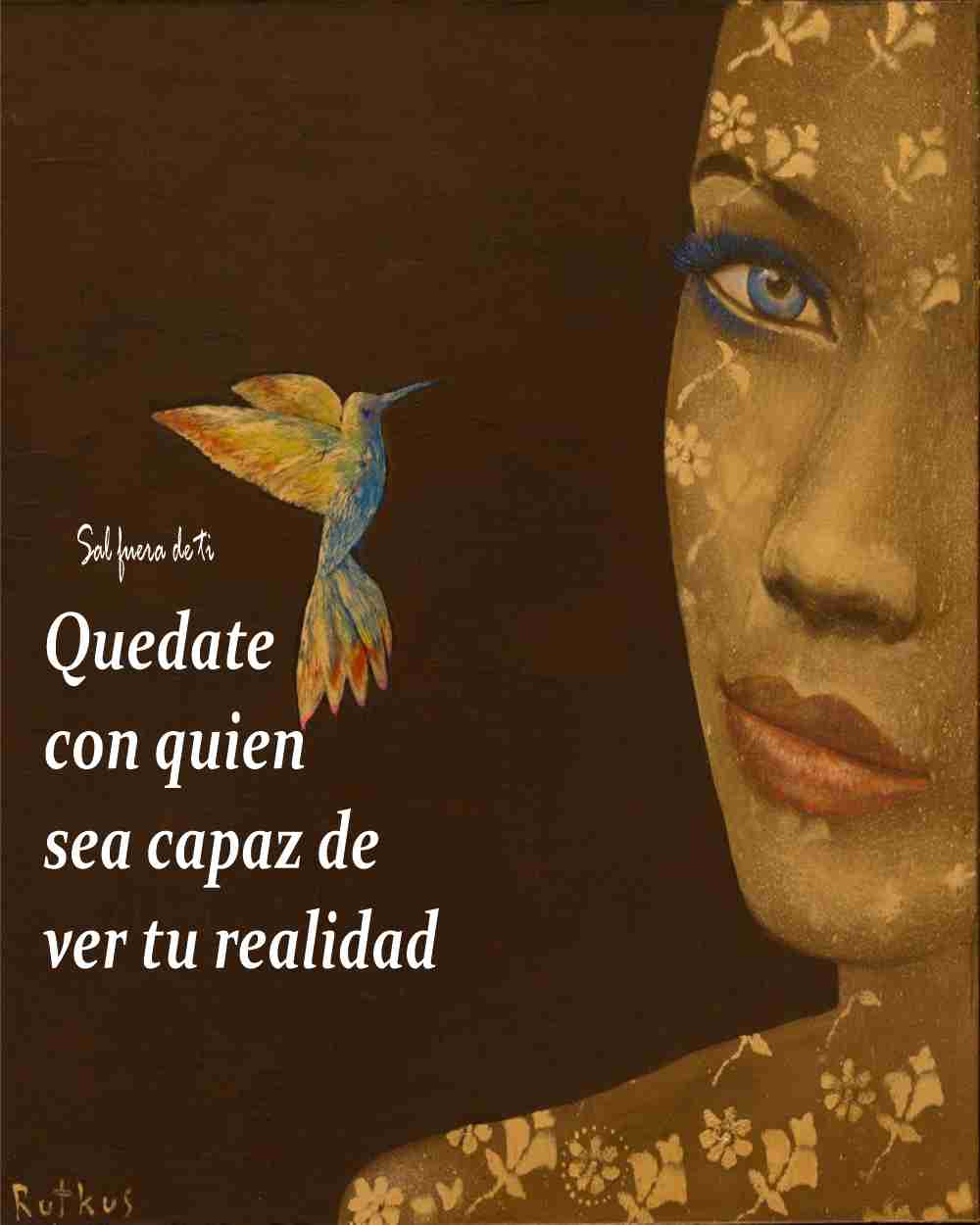
Quédate con quien sea capaz de ver en ti y.. no se conforme con mirar. Que sepa y pueda ver cuál es tu realidad. Con quien no se asuste con facilidad de las tormentas que busque la calma y sea capaz de vivir en pas consigo mismo que no tergiverse...
¿Lo aceptarías? Se suele decir que el amor se puede encontrar en cualquier parte y que llega cuando menos se lo espera. Pero si nos dejáramos llevar por el miedo a la soledad o si caes en la tentación de dejarte llevar por las expectativas de otros, la realidad es...
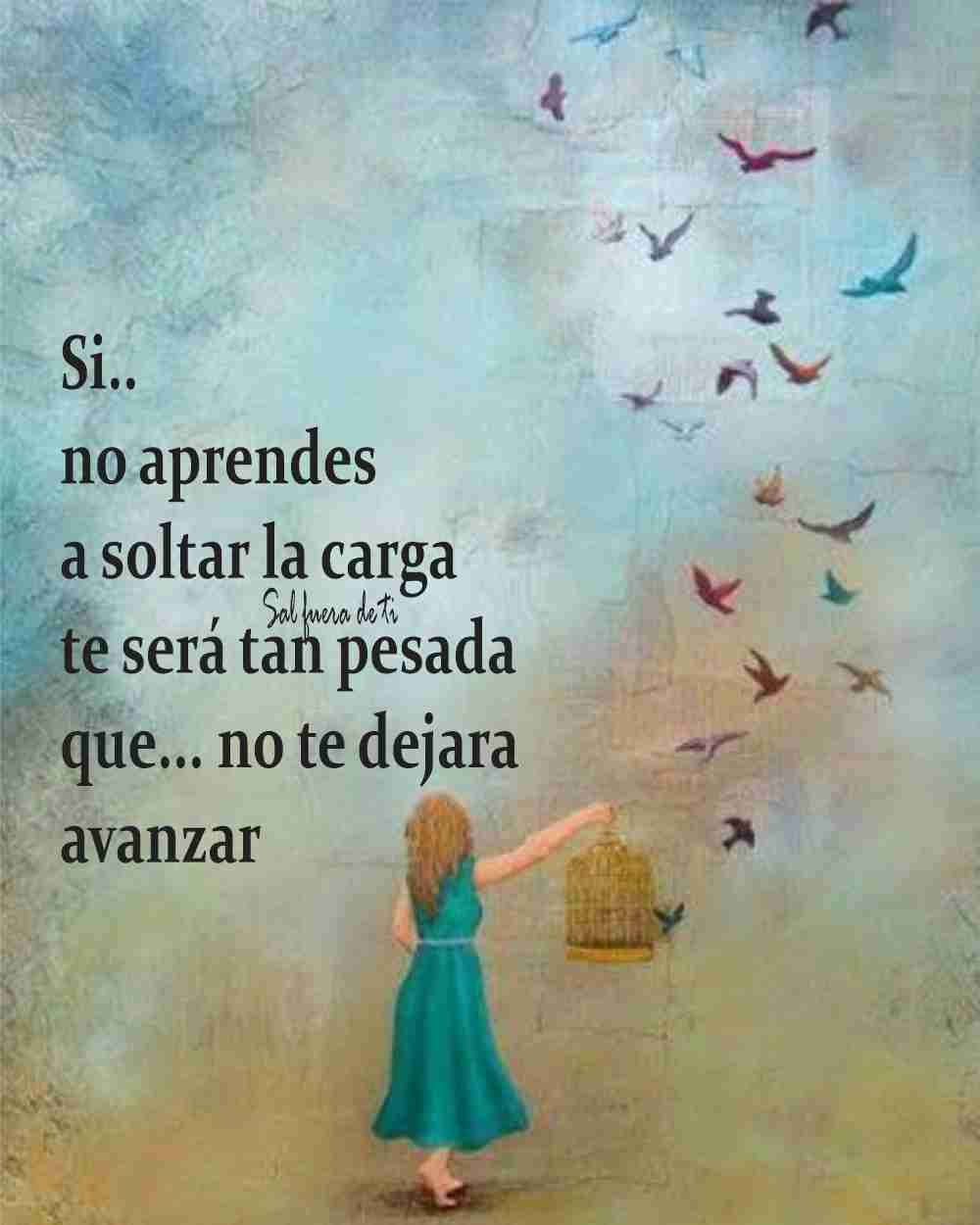
Hay quien no aprende a soltar. No sabe o no quiere valorar la carga que lleva en su mochila. Pero esta es tan importante reconocerla, pues será una de las pocas formas que podrás liberarte de ellas. Somos capaces de observar a los demás y hasta sugerirles qué tienen que...
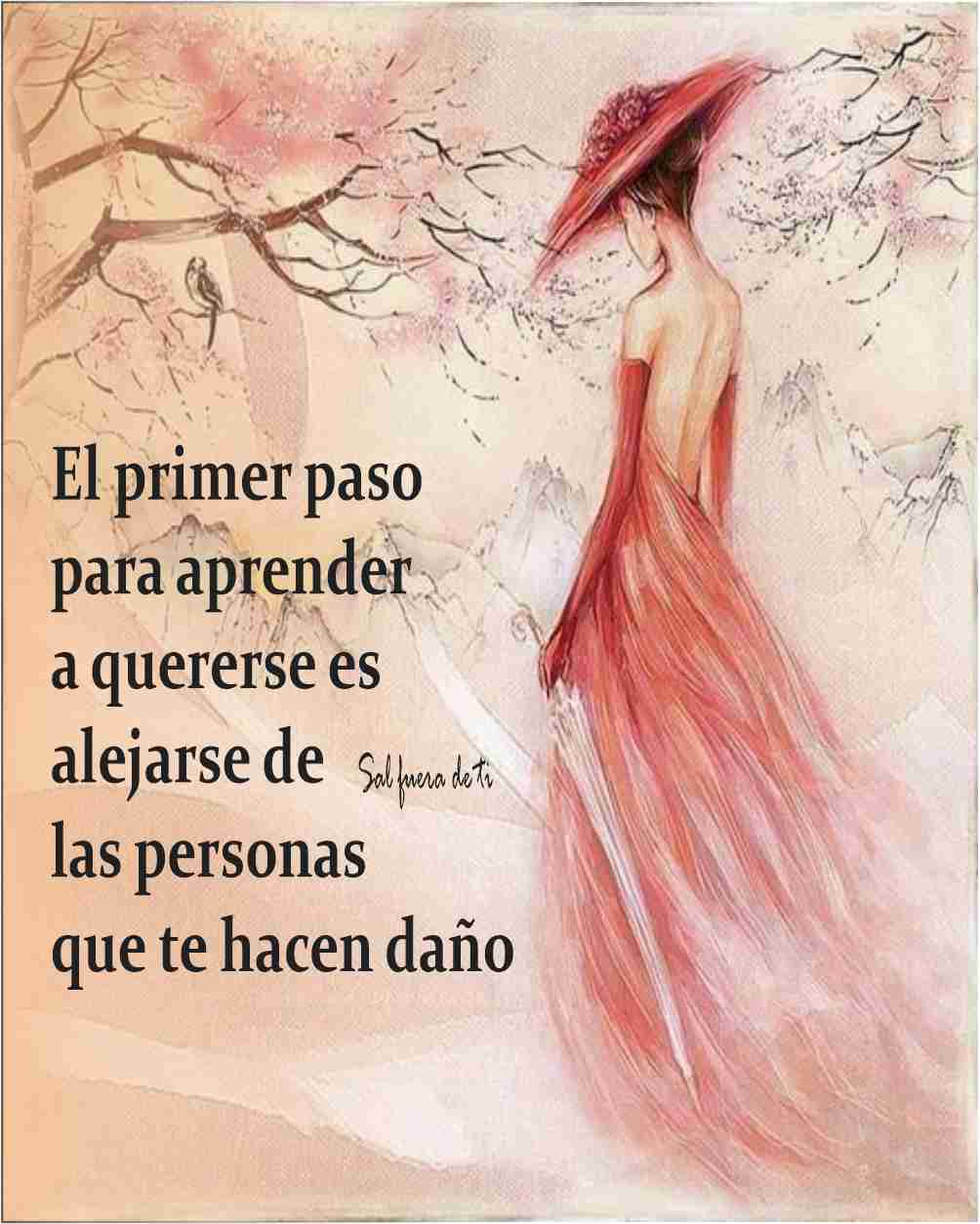
Aprender a decir NO a lo malo, a lo que te hiere, a lo que te hace mal, a lo que no quieres hacer o soportar, es parte de tu crecimiento como ser humano y personal en todas las facetas de tu vida. Ponerle limites a las personas y a...
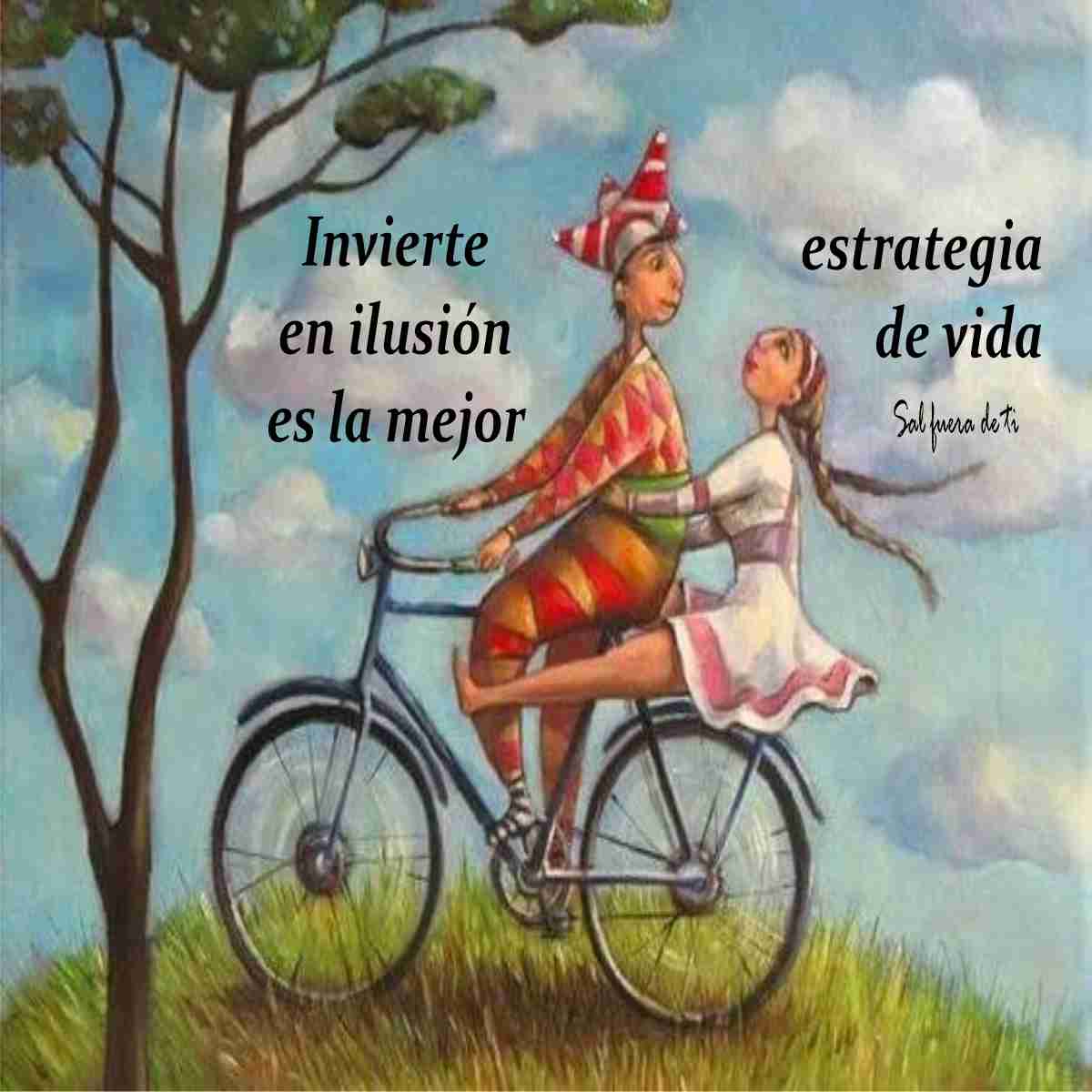
Sé que la vida es compleja, lo sé. Pero sólo hay una estrategia de futuro que no puedes perder: LA ILUSIÓN. Ella no solo te hace crecer, te hace mas fuerte, mas resistente en el mundo interior y en el exterior también. Te da la fuerza que necesitas, es plus...
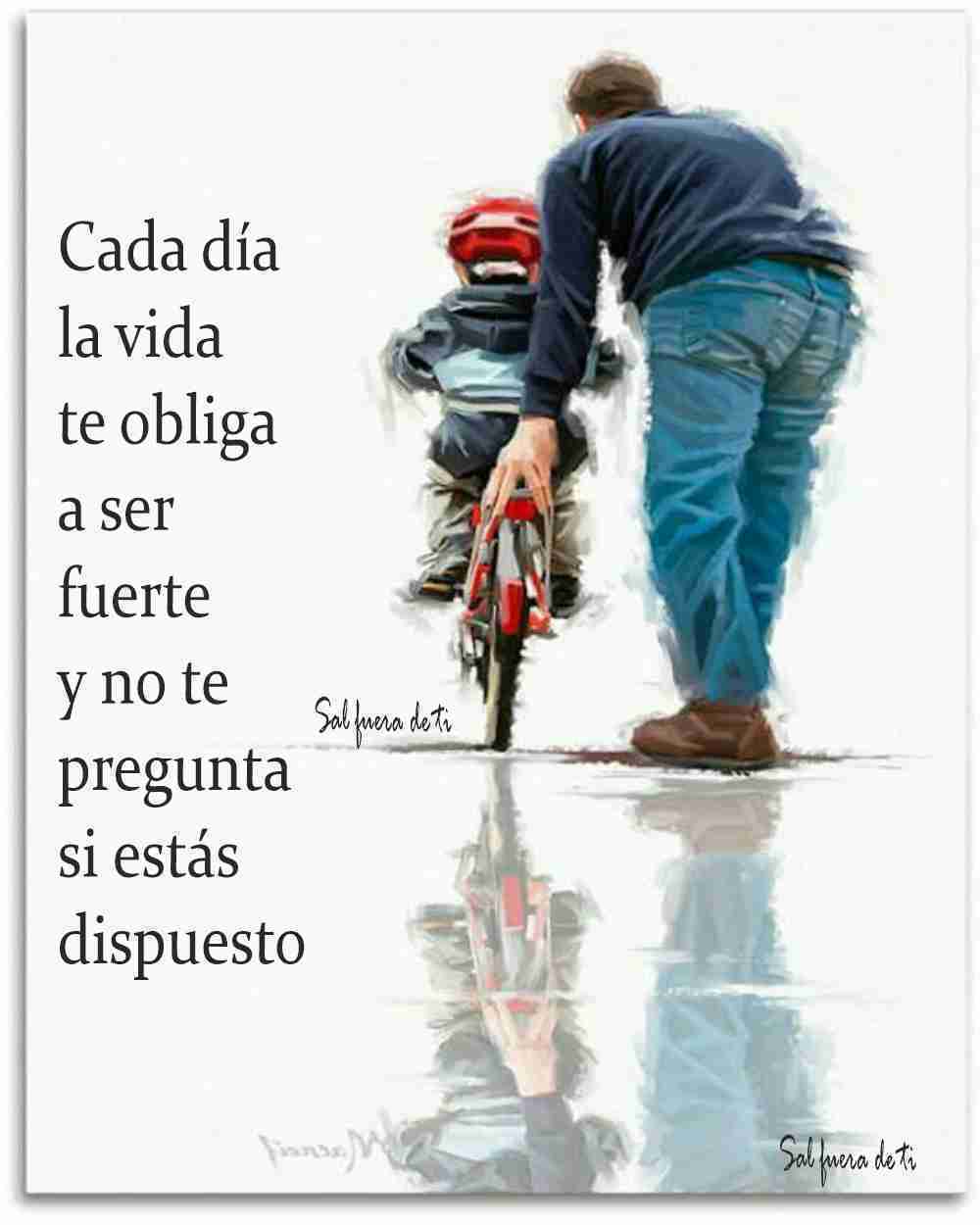
A veces la vida te pone a prueba obligándote a ser fuerte, sin preguntarte si quieres, ni como o por qué. Madurar es la forma de estar dispuesto para afrontar todo aquello que nos pueda llegar, de un modo que podamos mantener nuestro equilibrio personal, nuestra autoestima y de ese...
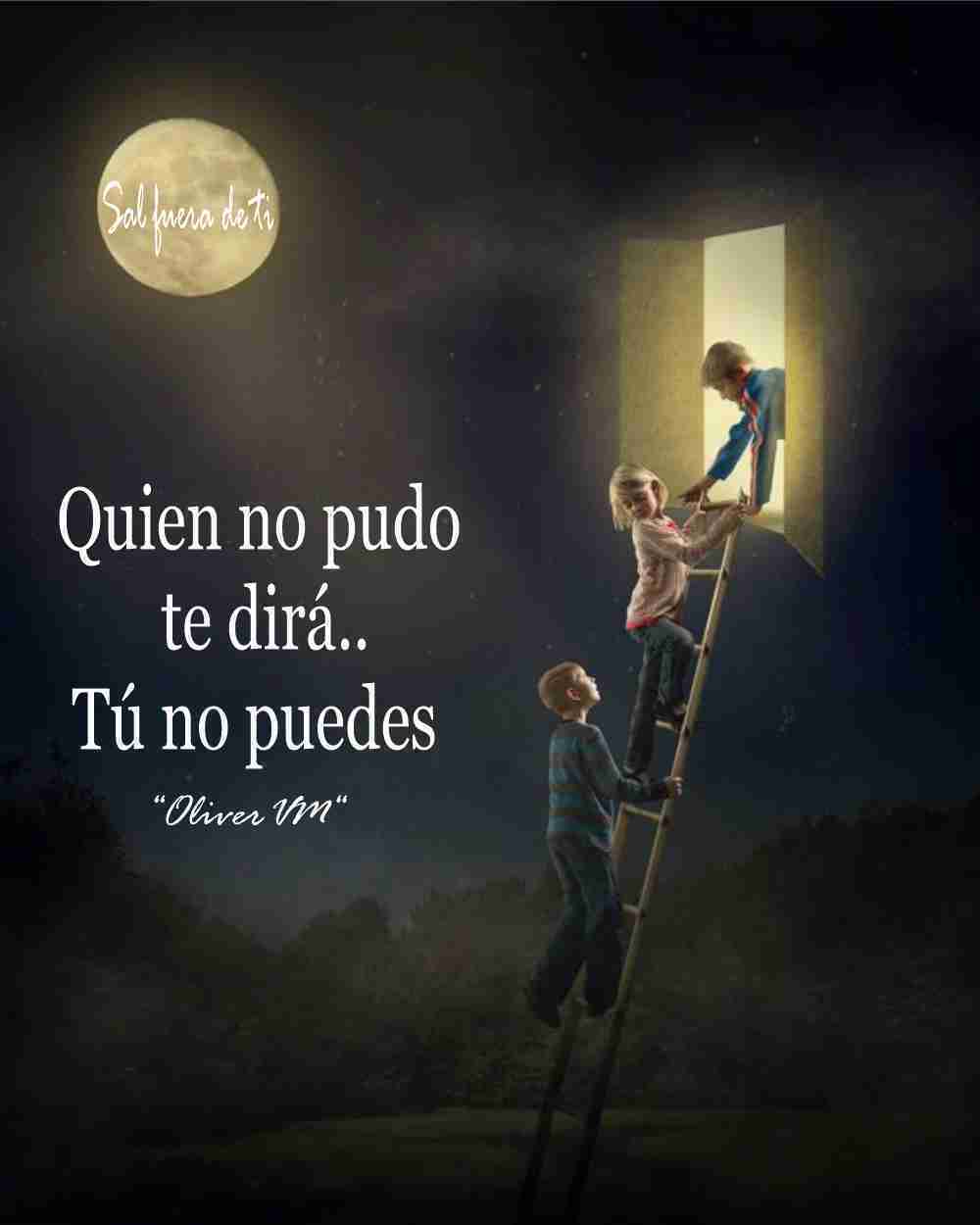
Quien no pudo sin duda te dirá: tú no puedes. No dejes que te limite la forma de pensar de los demás. A veces lo hacen sin saberlo porque es lo que aprendieron y no son capaces de ver mas allá. En cambio otras lo hacen para no dejarte ser...
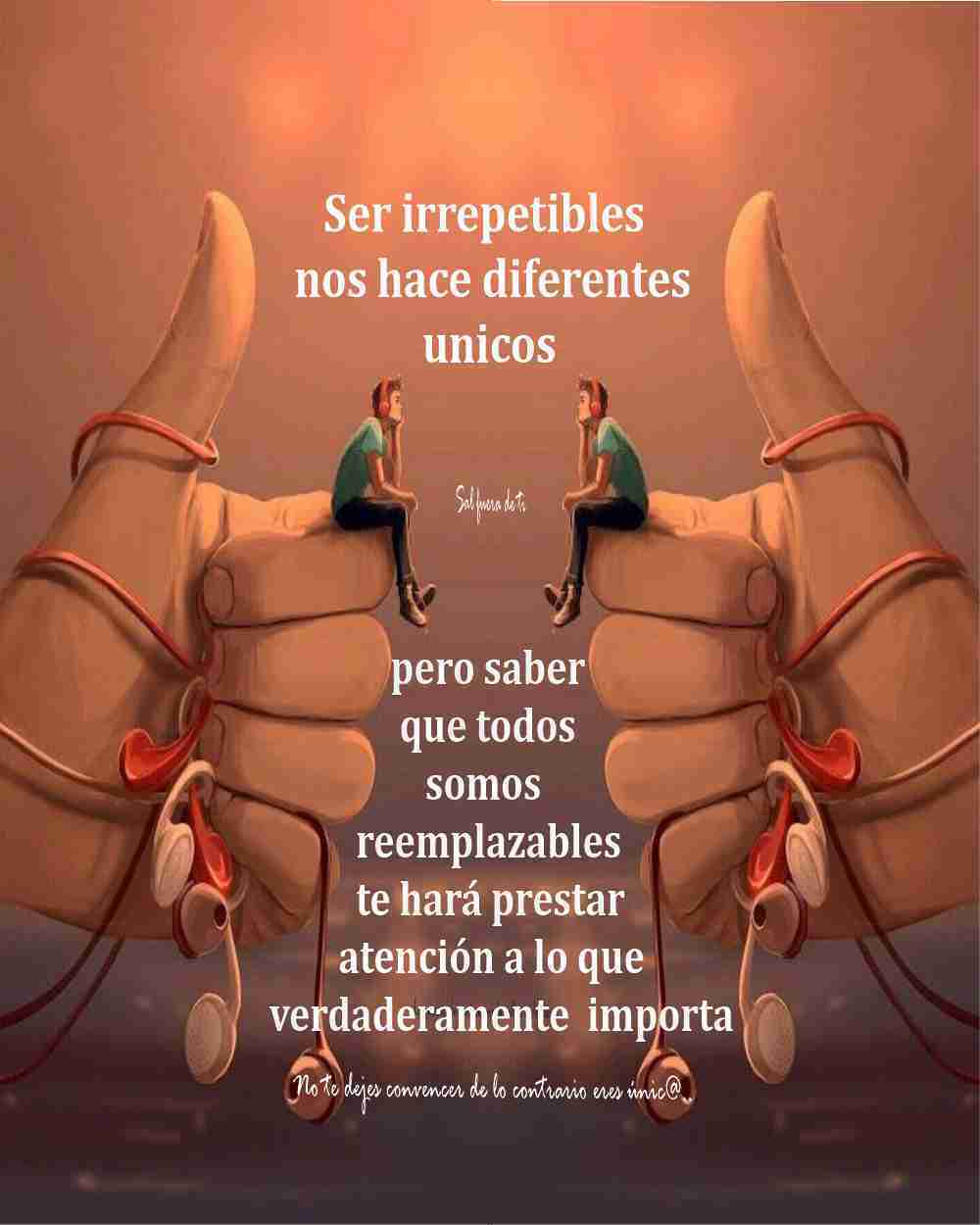
Ser irrepetibles es la diferencia, nos hace unicos pero saber que todos en realidad… somos reemplazables te hará luchar y prestar la máxima atención a.. lo que verdaderamente te importa. Estoy seguro que cuando reparas en ello le das más importancia a lo que tienes. No estás tan pendientes de...
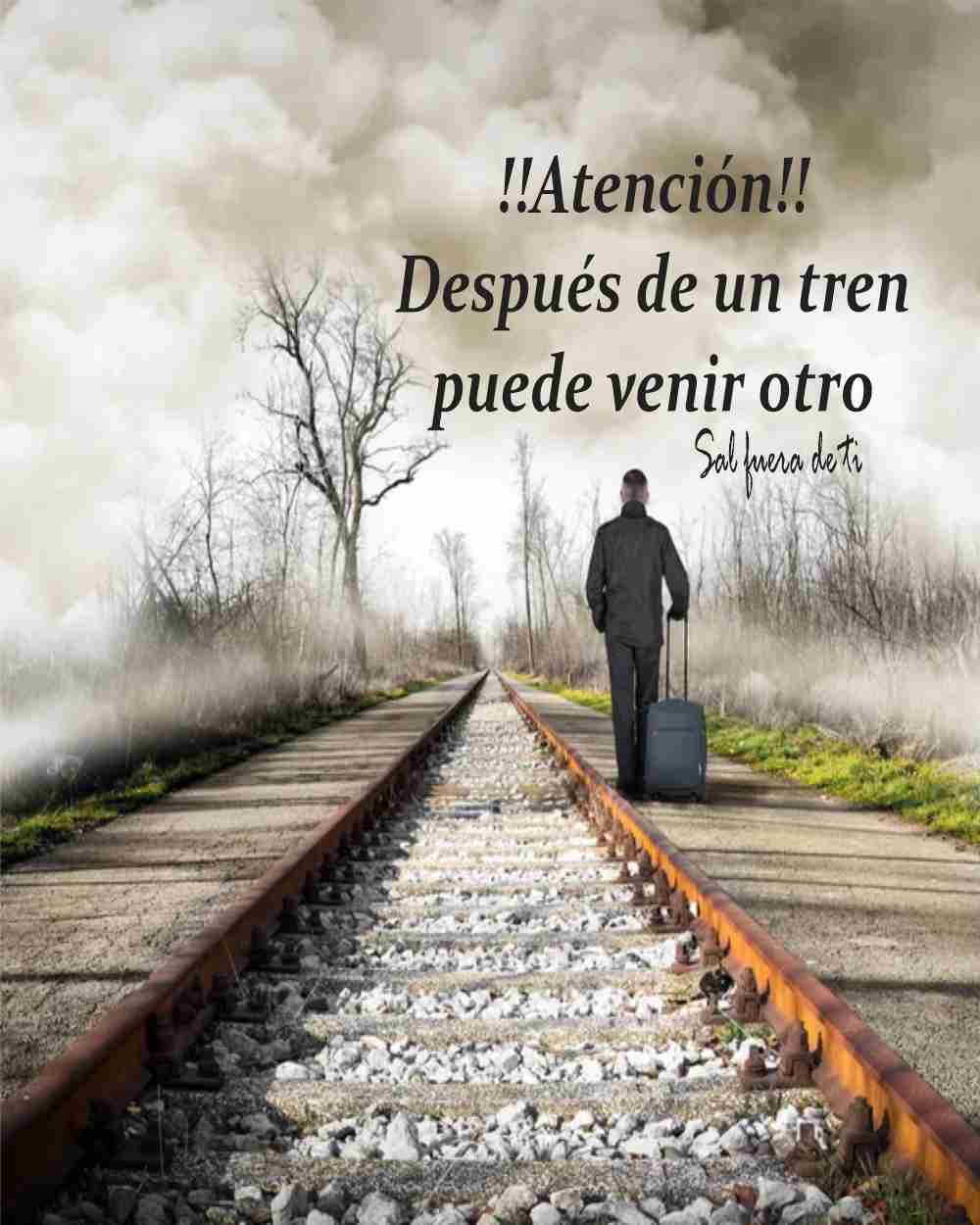
El otro día paseando en la cercanía de las vías del tren en un paso a nivel sin barreras leí un letreo que decía “Atención Después de un tren puede venir otro”. Y esa es quizás una de las verdades más grandes y a la vez más sencillas que a...
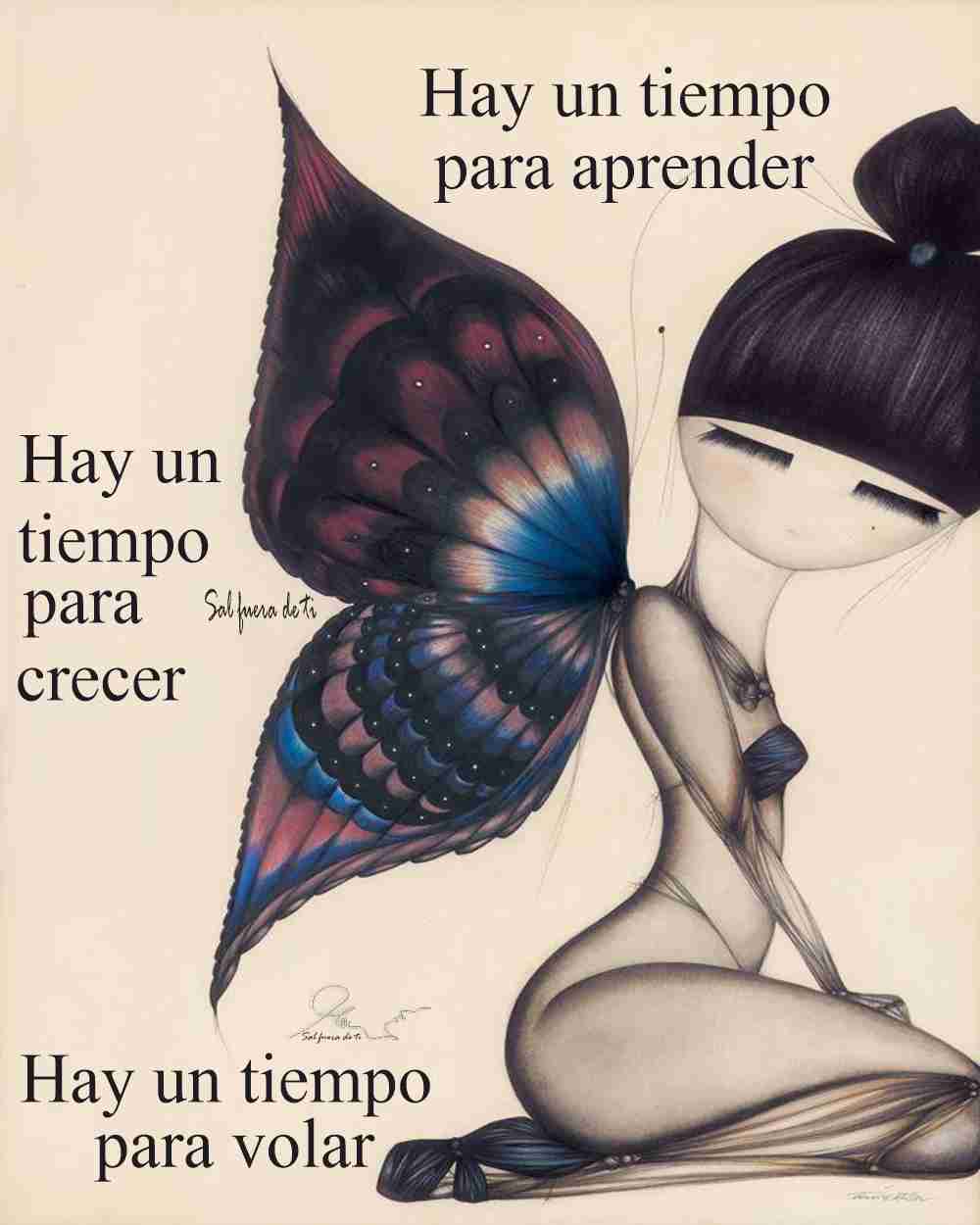
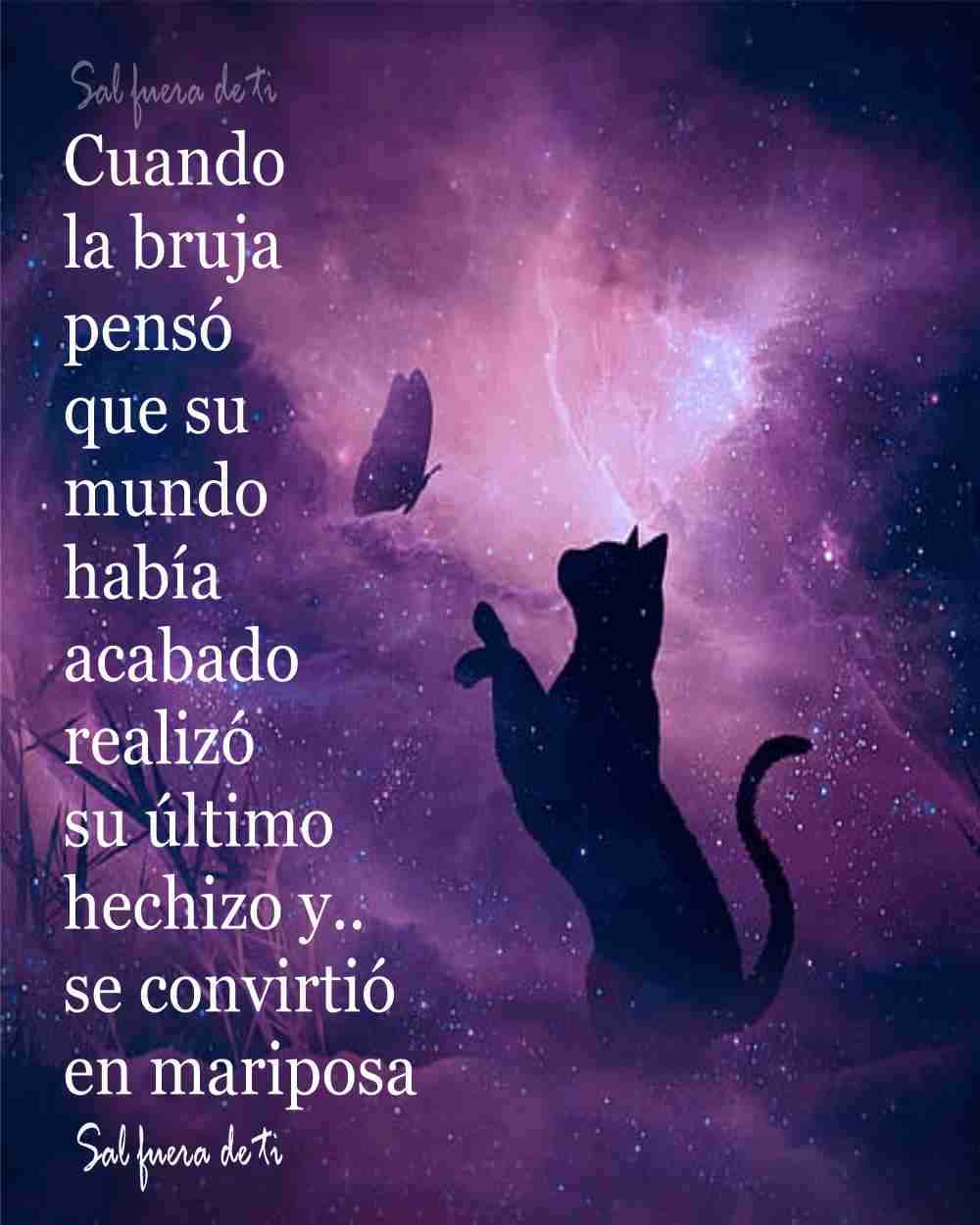
¿Si te pasara, si lo necesitas dime que Lo recordarás..? Solo recuerda que cuando la bruja pensó que su mundo había acabado realizo un ultimo hechizo y.. se convirtió en mariposa. Hay momentos que solo queda un camino, transformarse, regenerarse, para poder seguir en busca de tu destino....
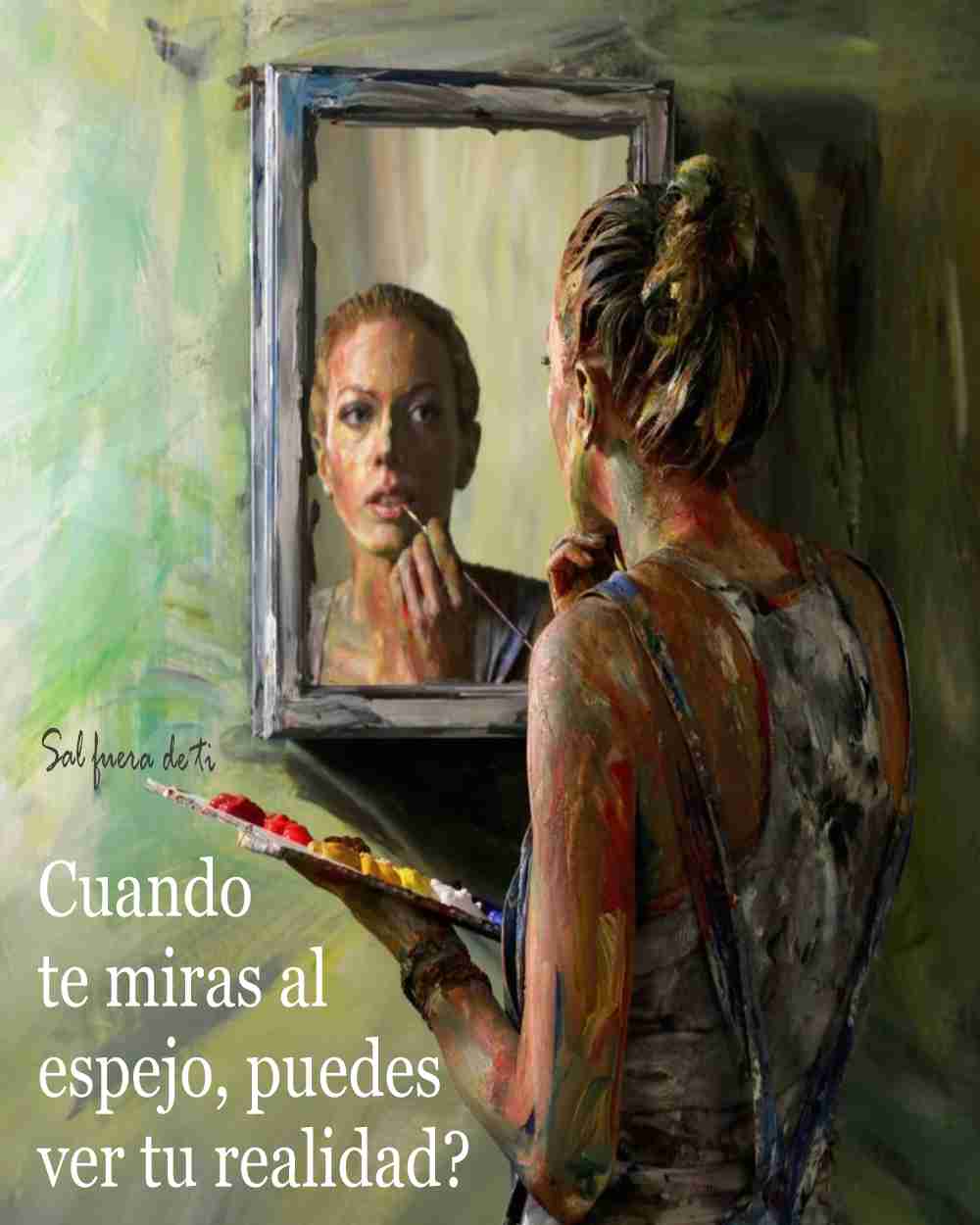
No hay ninguna persona, con vida que, no se mire al espejo y no se vea con alguna deformidad. No te juzgues solo por tus defectos porque si lo haces así, sucumbirás entre las ruinas de todo aquello que intentaste y no pudiste lograr. Construye tu futuro mirando...
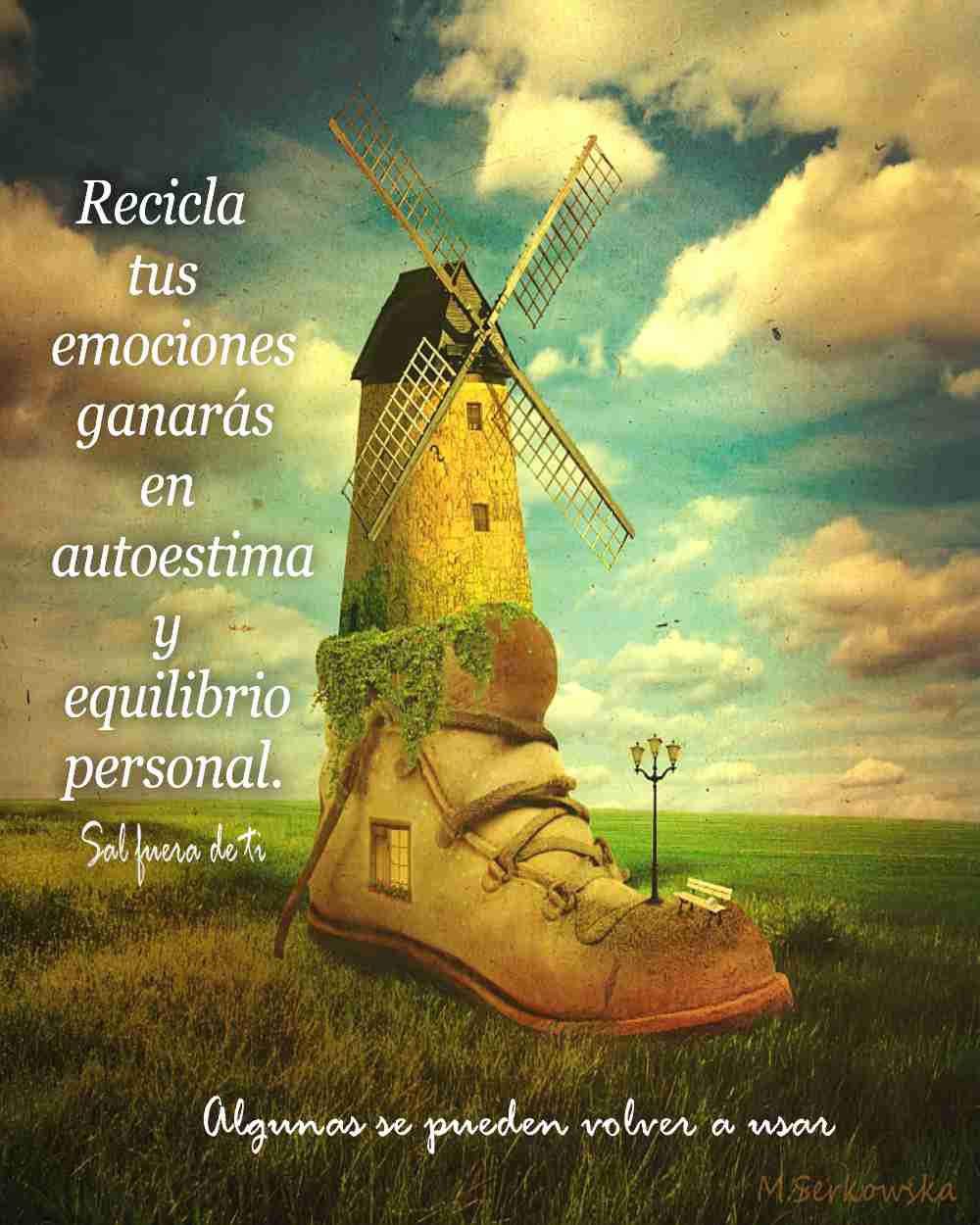
¿Reciclas tus emociones? No la conserves mucho tiempo, recicla, separa, trata de que los residuos vallan cada uno a donde debe para no ensuciar el resto de tu cuerpo y siempre que puedas recicla, tu cuerpo lo agradecerá. Recuerda que los pensamientos son cosas y estos pueden afectar, tu auto...
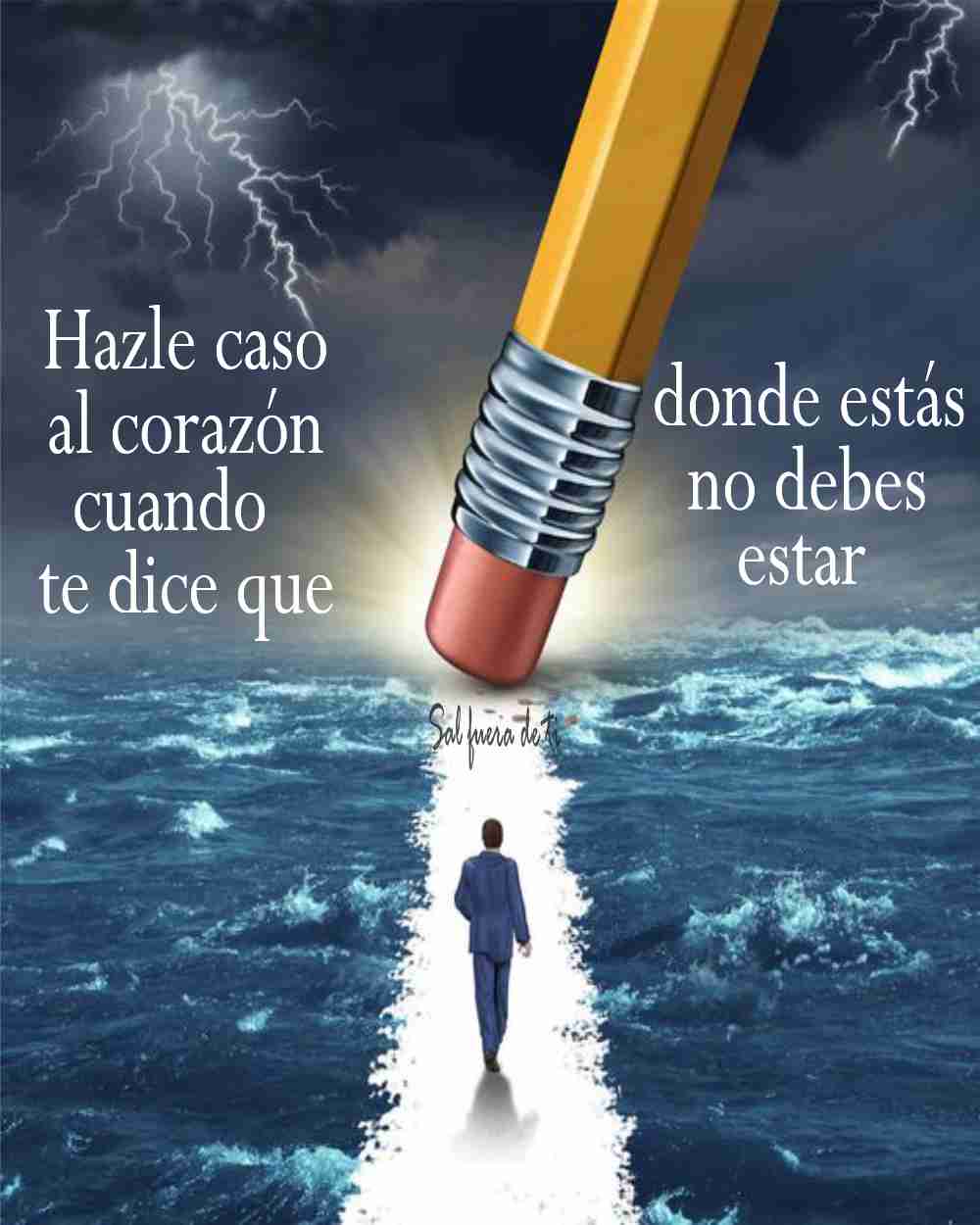
No puedo soportar verte sufrir de ese modo más. Sé que a veces es difícil escuchar al corazón, especialmente cuando estamos tan cómodos y seguros en nuestra zona de confort. Pero a veces es necesario tomar riesgos y seguir nuestra intuición. Hazle caso al corazón cuando te dice que, donde...
La naturaleza, en realidad la vida tal y como la conocemos en todos sus ámbitos, tiene sus propios medios para limpiar y deshacerse de todo aquello que ya no le sirve aquello que no le es útil o que en realidad le aporta un peso innecesario y le impide avanzar...
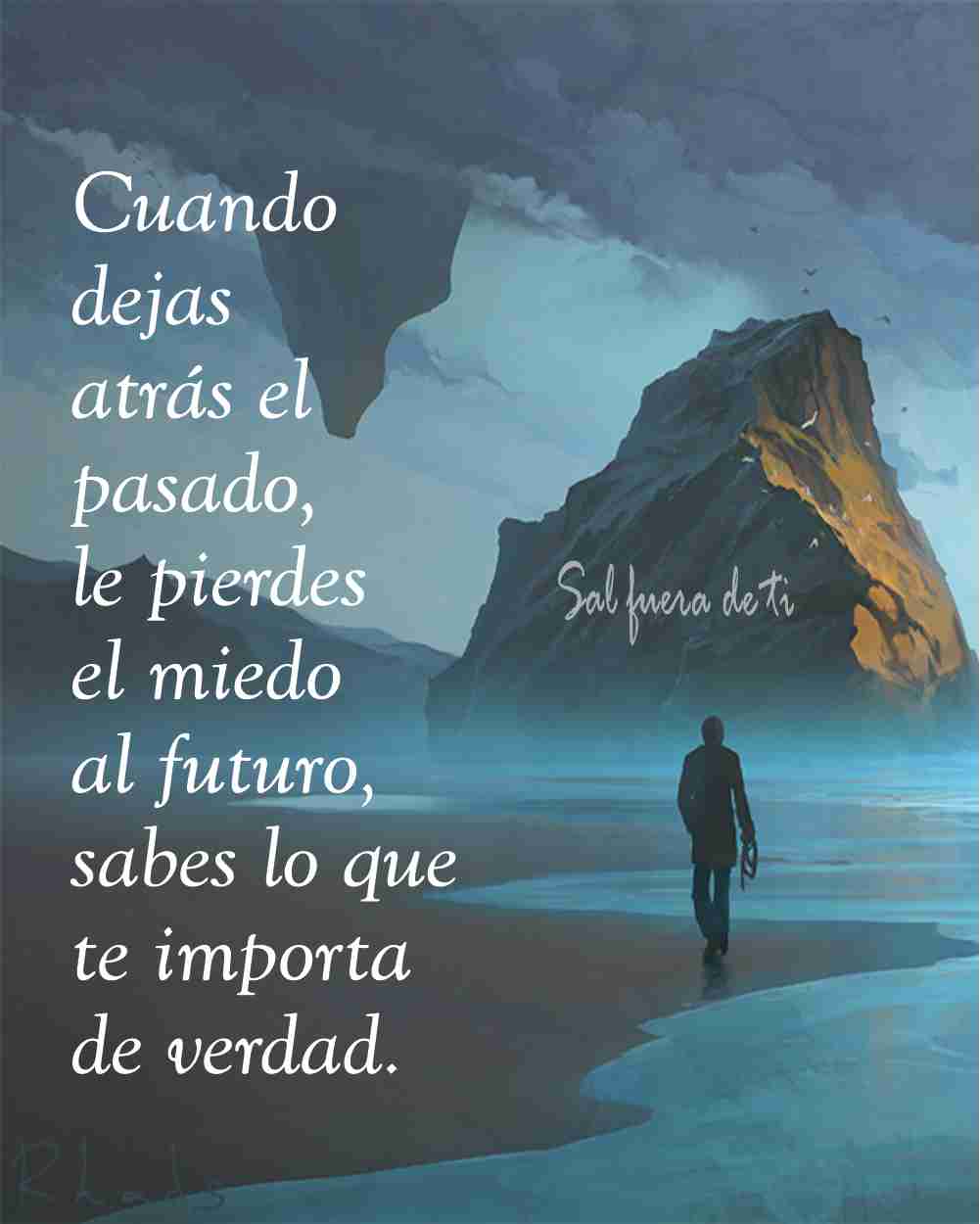
¿Dime, lo intentarás? Cuando dejas atrás el pasado y le pierdes miedo al futuro, es el principio del comienzo para sentir lo que importa de verdad. Es el comienzo para una vida más plena, más real, esa que pudes vivir en cualquier estado mental sin tenerte que esconder de ti...
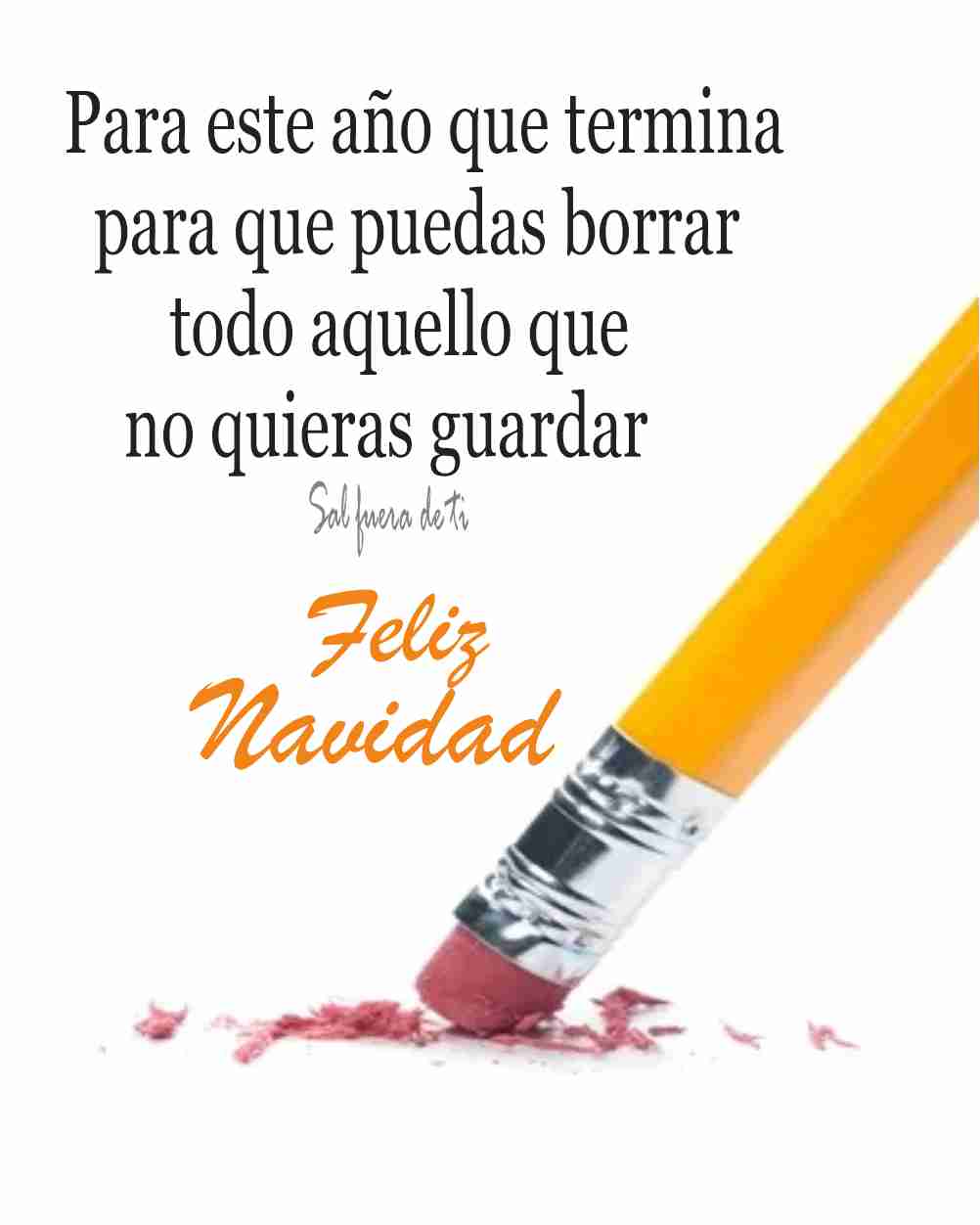
Para este año que termina, para que puedas borrar todo aquello que no quieras guardar. Es mi regalo un lápiz con borrador, guárdalo para que el año que viene puedas corregir cada uno de los errores que sin duda cometerás. Aprender es solo parte del camino que hacemos cada día,...
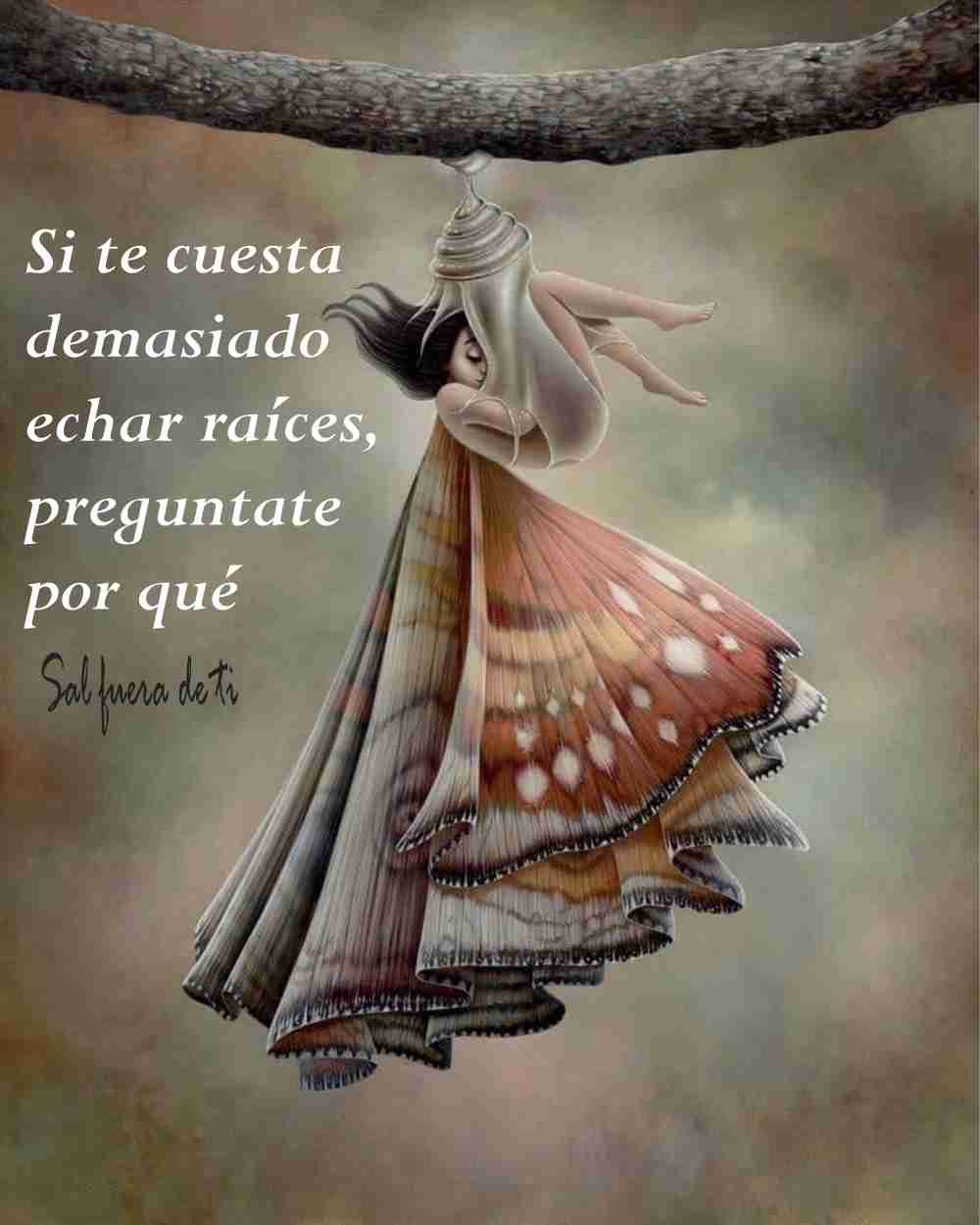
¿Te ha costado echar raíce? Esa sensación de no pertenecer a ningún sitio grupo. Mantener distancia con la familia. No ser capaz de darse uno mismo ni en la intimidad, configura en nosotros una especia de ansiedad de no estar a gusto en ninguna parte, en ninguna realidad de trabajo...
No te olvides que tu fuerza no está en tus manos si no en tus ganas. A veces vivimos equivocados poniendo nuestro empeño en lo más evidente, y a su vez se nos pasa desapercibido lo más coherente. La fuerza sin una idea, un pensamiento que lo acompañe no llegará...
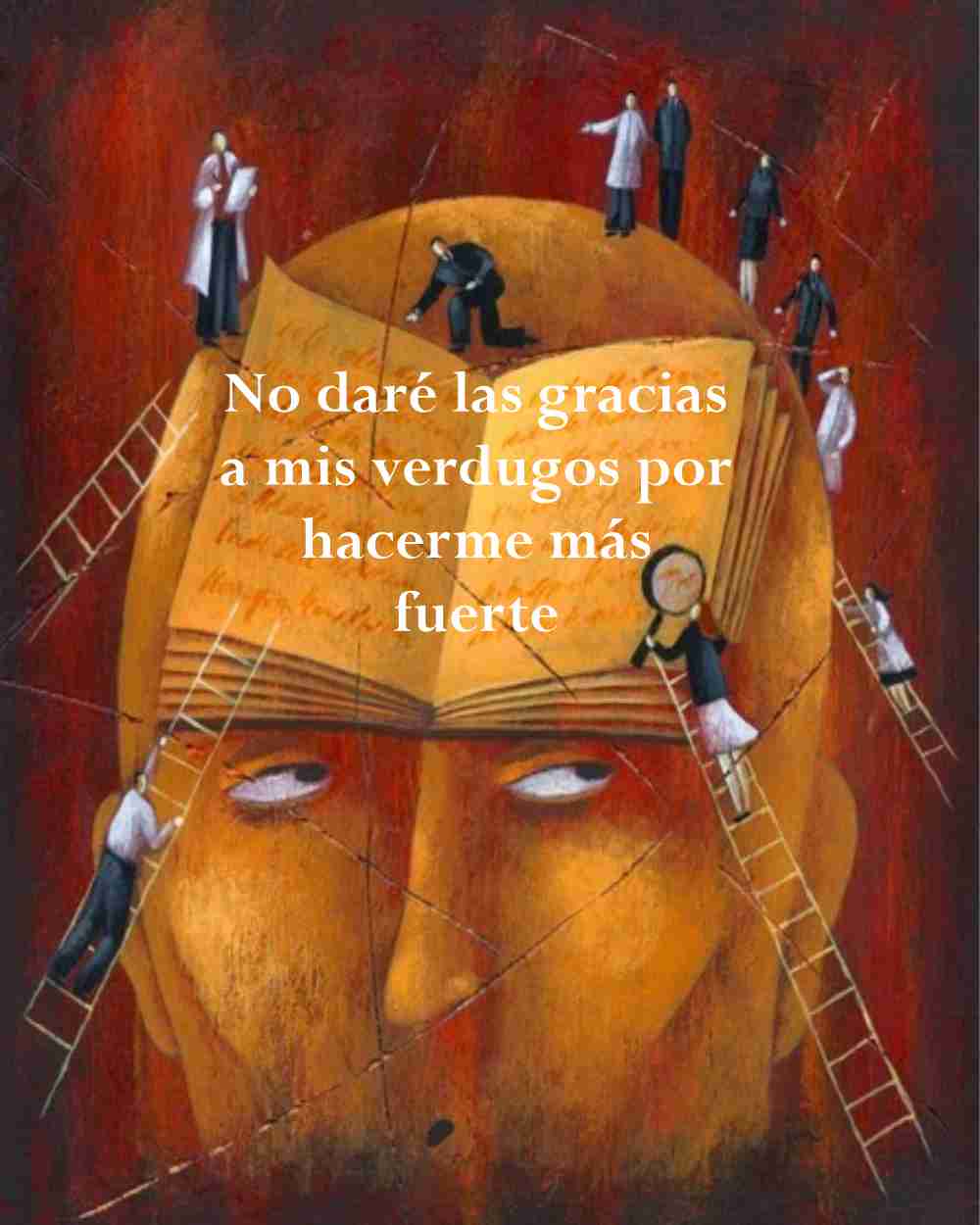
Muchas veces en nuestra vida diaria no somos conscientes de nuestra influencia en los demas y aun más sobre los mas pequeños, sobre la infancia a la cual podemos arrojar luz pero otras veces los mostramos nuestras propias sombras lo cual los determinará como crecer. No daré las gracias a...
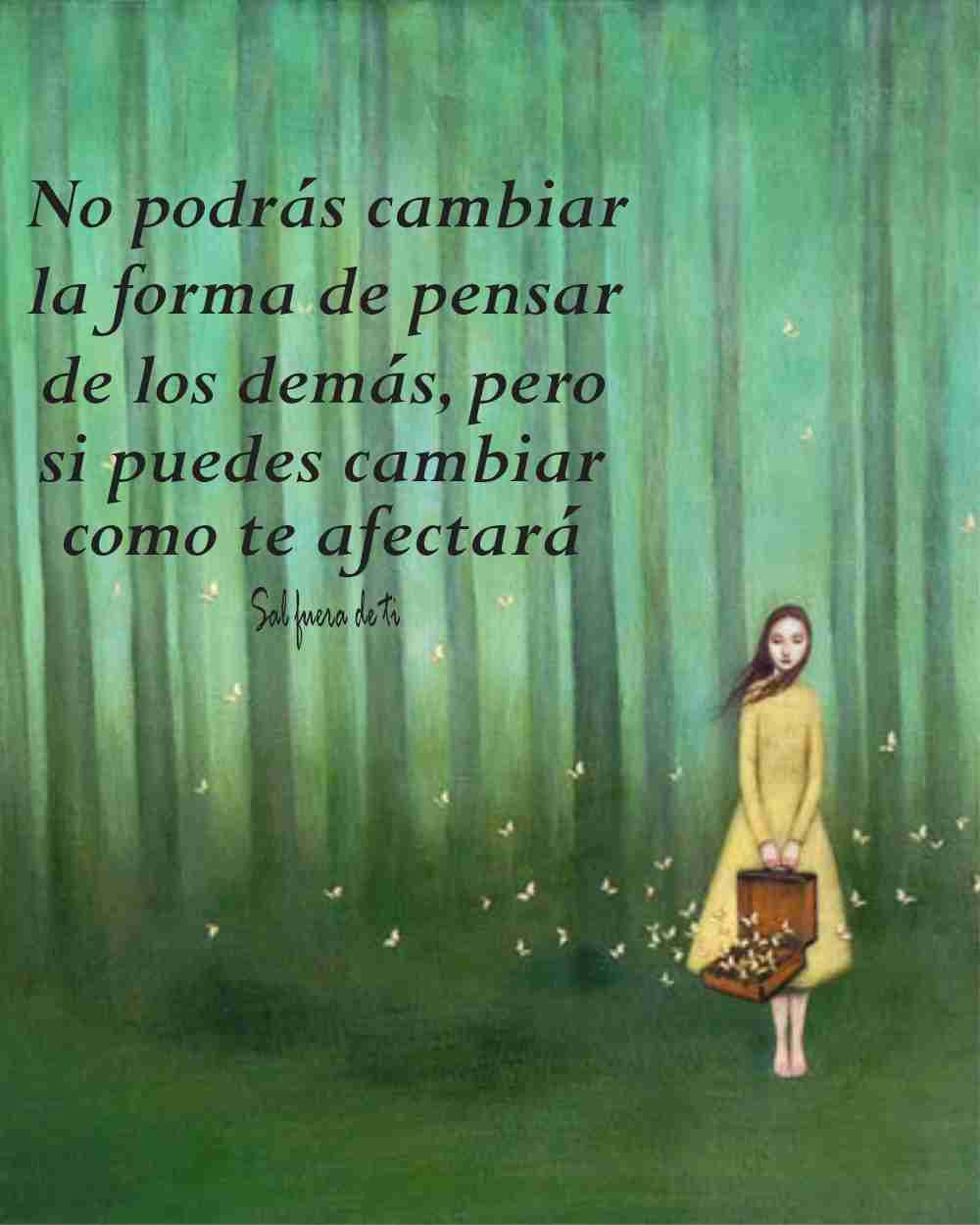
Por mucho que lo intentes no debes ni podrás cambiar la forma de pensar de los demás, pero si puedes cambiar la forma en cómo te afectarán a ti las cosas. Es el principio fundamental del equilibrio personal, la actitud para razonar con nosotros mismos a la hora de aceptar...
Todos hemos aprendido de una u otra forma que lo mejor para nosotros y para los demás es dejar ir a esa persona que en realidad no quiere estar con nosotros. Y la realidad es que no por ello, por tomar esa decisión dejamos de amar, es mas nuestro amor...
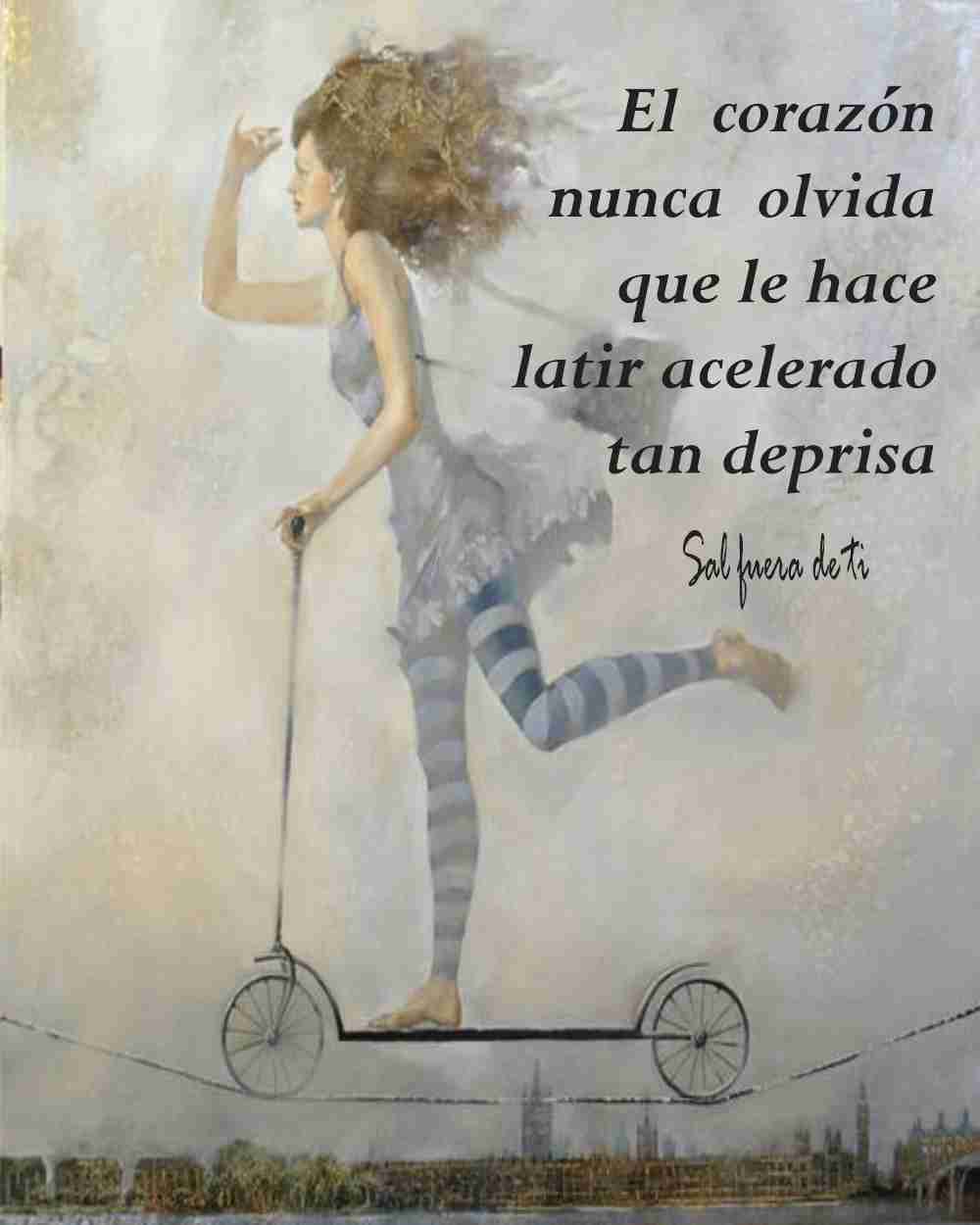
El corazón nunca olvida que es lo que le hace latir de verdad, acelerado, tan deprisa. Todo aquello que vivimos desde la intensidad de las emociones, es lo que se nos queda más grabado, lo que mantenemos vivo en nuestro pensamiento, la gasolina en ese vehículo existencial que llamamos vida....
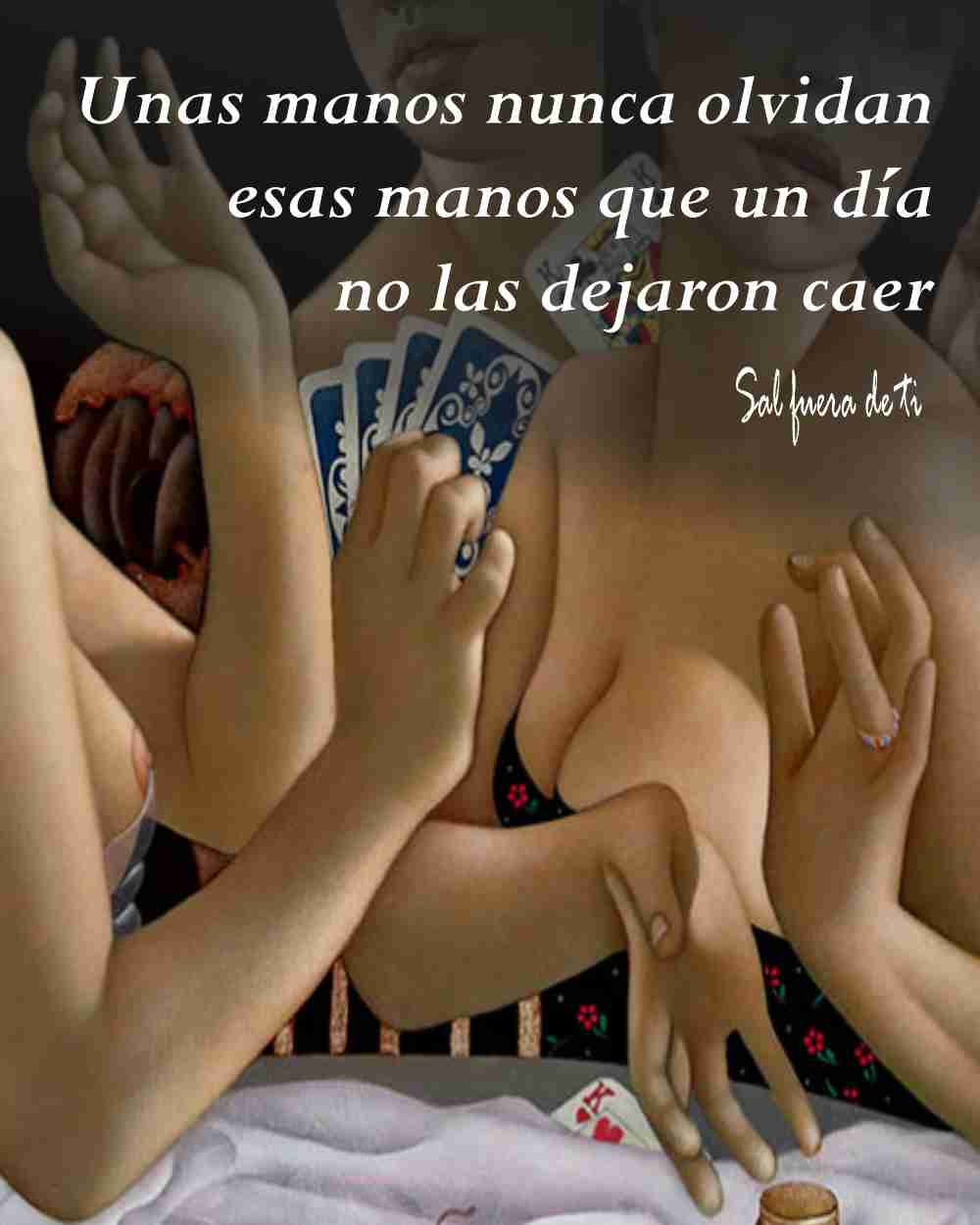
Unas manos nunca olvidarán esas manos que un día la agarraron para no dejarla caer. Es de ser humano estar al lado de quien nos importa para lo que pueda suceder, no solo por un "por si acaso" sino tambien para ser útiles si es necesario. Corresponder con lo que...
Nunca te sentirás bien, si siempre te aferras a las cosas que te ponen triste. Apesar de las dificultades por las que puesdas estar pasando, siempre sera tu opción, tomar la dirección que menos te perjudique. La mayor parte de las veces los problemas no estan fuera, estan dentro de...
Si estamos constantemente pensando en nuestro futuro por más que pueda ser inmediato te estarás perdiendo tu presente el ahora. Ten en cuenta que muchas de las decisiones que tomamos en nuestro hoy causaran efecto no solo en nuestro mañana, también en nuestro futuro. El futuro podría ser interpretado como...
Lo que más deseamos, lo que más queremos, lo que más nos importa siempre suele estar al otro lado de nuestros miedos. Es una frase muy usada pero que define bastante bien nuestra actitud ante las cosas que mas nos importan o que buscamos con más empeño. Pero también es...
Me enseñaste y aprendí a no dejarme llevar por la corriente, a valorar que ser diferente te hace único, mas creativo, un ser especial a tus ojos y a los ojos de la gente. Aprendí a diferenciar lo común de lo corriente, a ver cuando la mayoría de la gente...
Es cierto que todo lo que ocurre en nuestro entorno nos afecta de un modo u otro, pero también es cierto que, somos nosotros los que tenemos que decidir conque nos queremos quedar. Aunque a veces las influencias externas son muy fuertes, tanto que nos pueden desequilibrar tenemos que ser...
Fin de la historia, aprieta el botón y todo comienza otra vez... pues va a ser que no. Vivimos en una sociedad que cada vez más se está habituanda a tenerlo todo de inmediato. Como en un video juego, en un ordenador o en el móvil, todo instantáneo a tus...
Nuestro desarrollo personal, cómo entendemos la vida, las cosas, es necesario cuadrar con las personas que deseamos convivir en cualquier ámbito y estrato social. Conviene recordar que somos seres emocionales y esto no solo marcará con lo que nos queremos quedar, también será determinante en nuestros procesos al convivir e...
El final siempre es solo un nuevo comienzo de algo nuevo... Despedirnos casi nunca es fácil, pero a veces es necesario todos de algún modo somos necesarios, pero nadie es imprescindible, pero también es cierto que nadie reemplaza a nadie de la noche a la mañana y recuerda que todas...
Es probable que desde pequeño te enseñaran a silenciar tus emociones. Quizás te dijeron que las lágrimas hay que reprimirlas, contenerlas, cuando sientes dentro de ti que eso no te hará bien, por lo que comenzamos a distanciarnos y si nos preguntan nos forzamos a no decir la verdad, sintiendo...
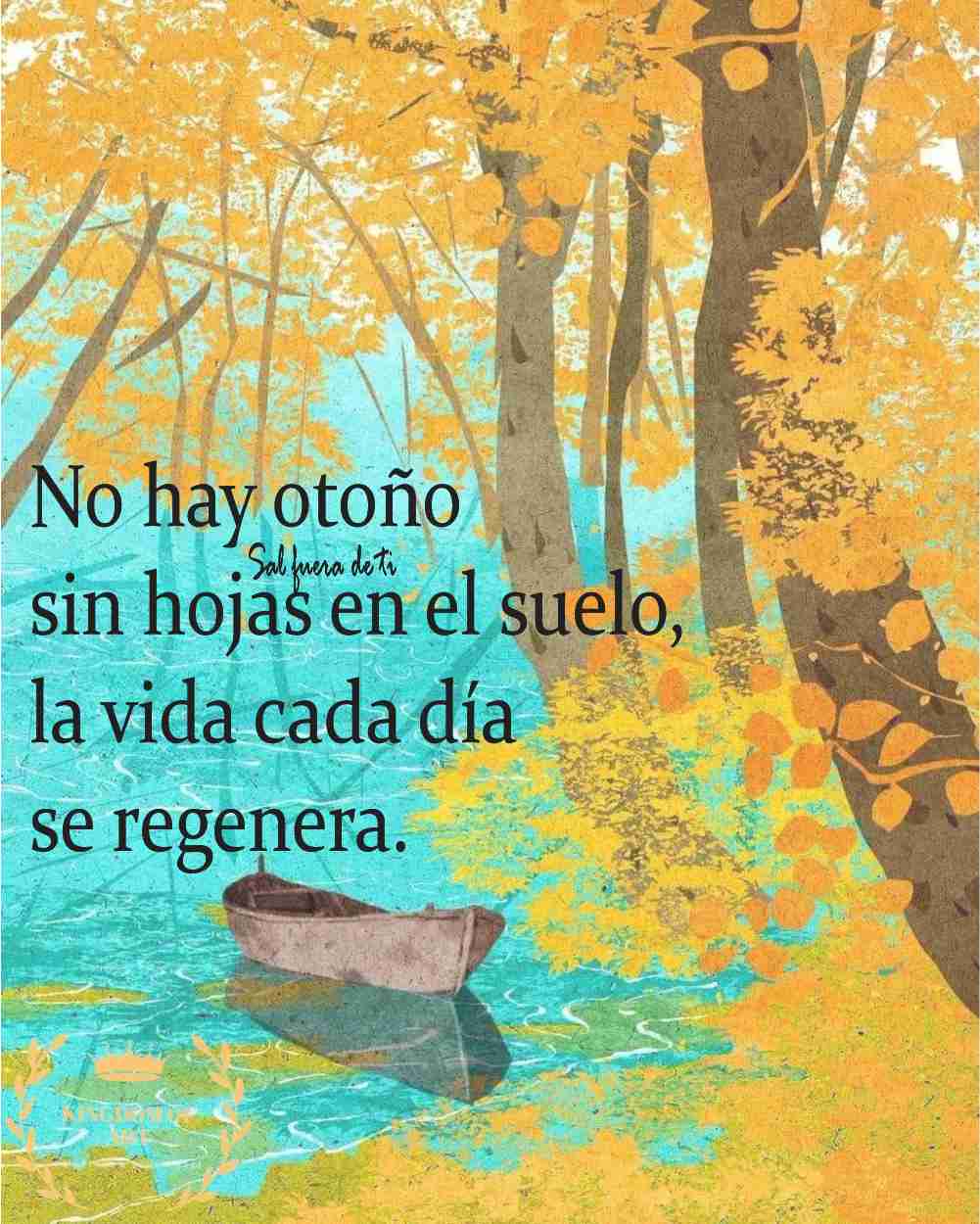
No hay otoño sin hojas en el suelo, no hay verano sin sol, no hay ivierno sin frio, no hay primaveras sin amor. Recuerda que no hay vida donde alguna vez no te visite la tristeza. La naturaleza con sus ciclos también nos recuerda que ha de haber de todo...
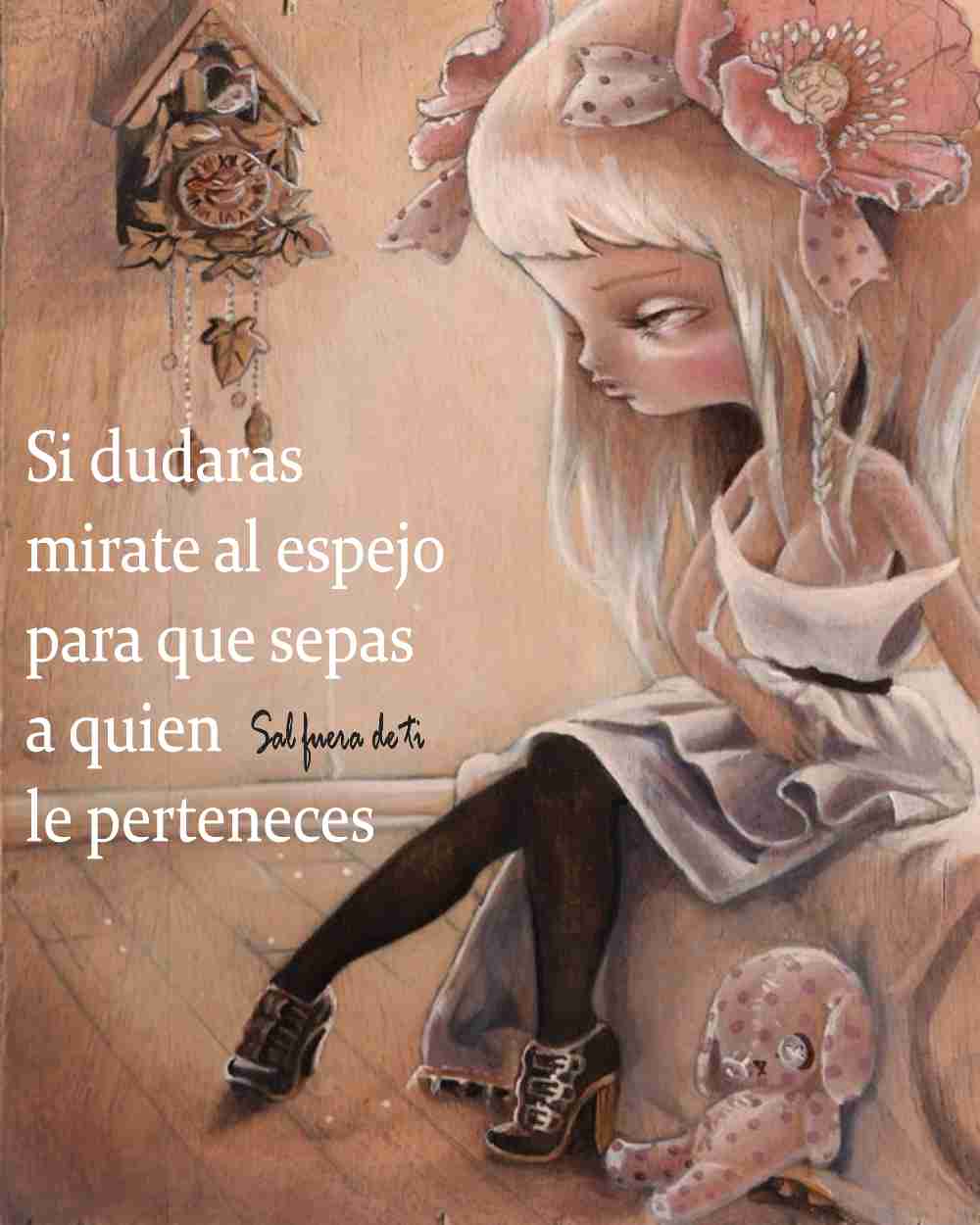
Si en un momento complejo, si dudaras mírate al espejo como si fuera la primera vez para que sepas de verdad a quien le perteneces. Cuando lo hagas, esbozaras esa sonrisa de complicidad al comprender que solo es a ti a quien le debes de contar que sientes, como te...
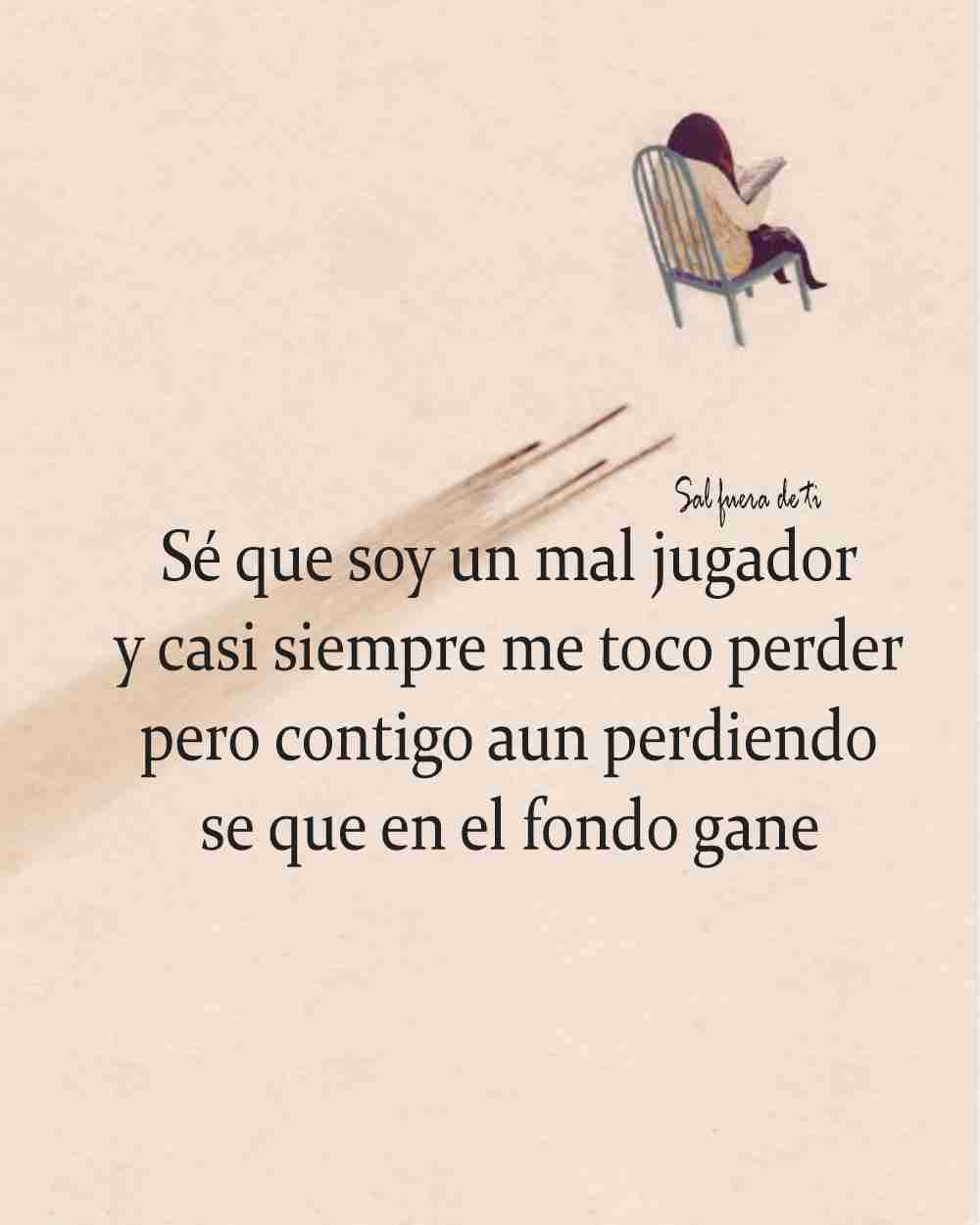
Siempre fui un mal jugador lose, y casi siempre me tocó perder, pero contigo aun perdiendo sé que gane. Fue como despertar de un mal sueño, una pesadilla tal vez, que te hace quedarte inmóvil casi sin saber que hacer. Tomaste la decisión y a la vez me dejaste libre...
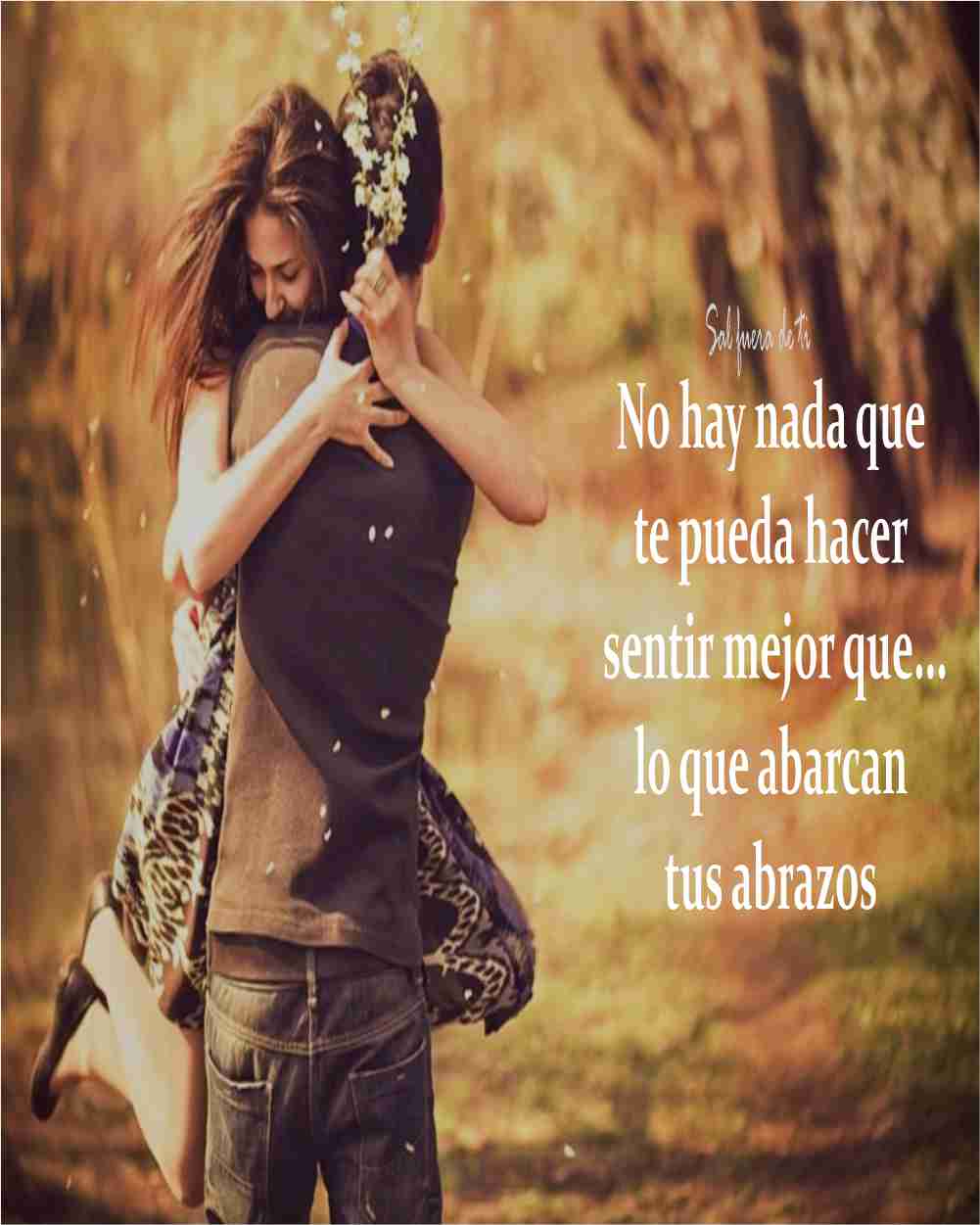
No hay nada que te pueda hacer sentir mejor que lo que abarcan tus brazos: los abrazos. Regálalos con facilidad, no seas tacaño pues al hacerlo regalas instantes de felicidad a todos aquellos que te importan y es una forma sin palabras de decir, te amo te quiero en mi...
Cuando me ame de verdad seré capaz de comprender que, en cualquier situación, para bien o para mal siempre se está en el lugar adecuado, a la hora marcada, y en el momento exacto, porque entonces puedes decidir qué hacer. Aprendí que comprender eso y tomar decisiones tiene un nombre…...
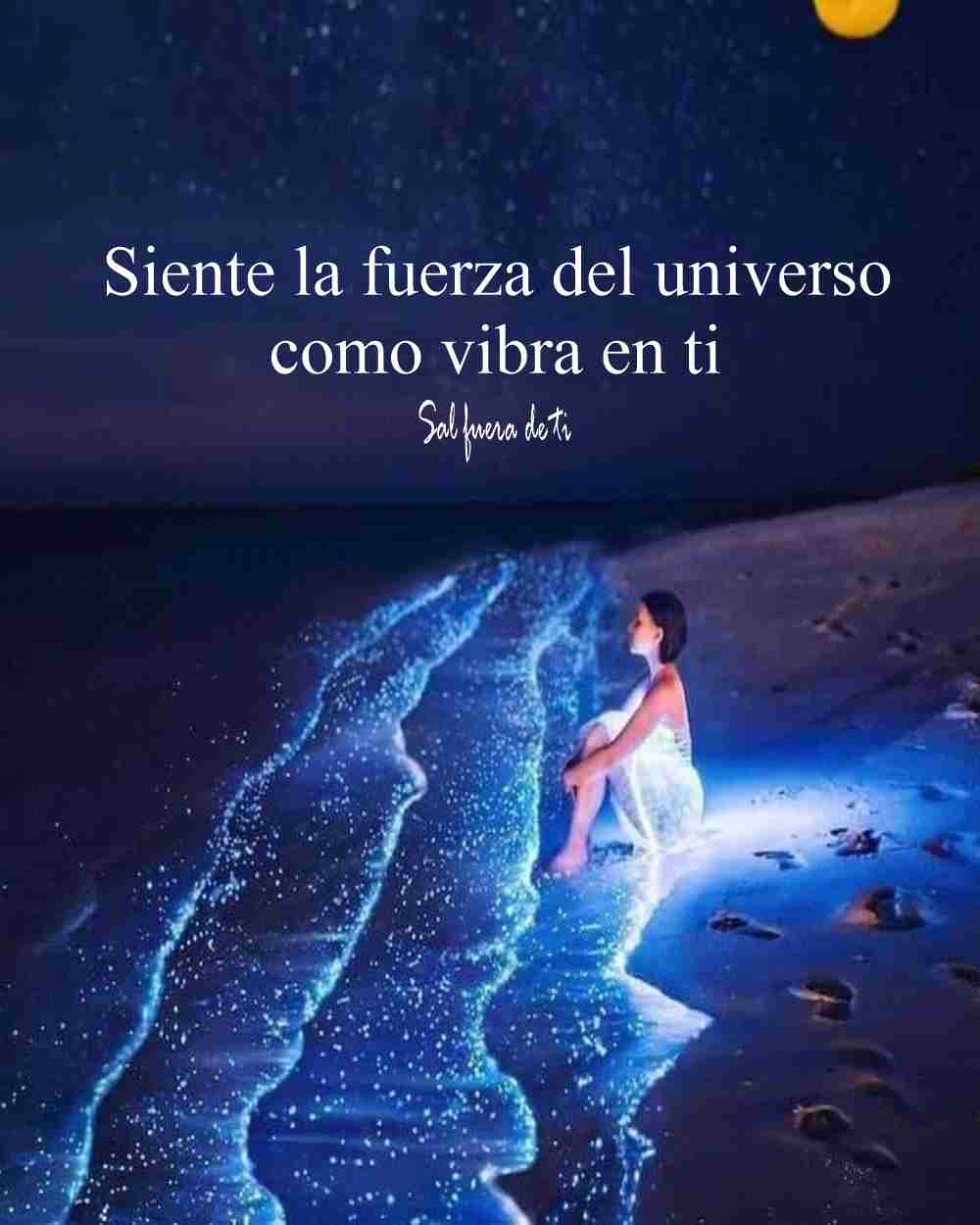
Tienes que entender que, no estas sola/o eres parte de universo su reflejo está en ti. Cada estrella, es un pensamiento que brota en tu mente, siente como forma parte de ti, como vibra y causa emociones tan fuertes tan sordas, tan mudas que solo tu las puedes sentir. Es...
Sé que la vida a veces, se convierte en algo complicado, difícil y que no siempre coincidimos con los demás en nuestras etapas anímicas, emocionales, o vivencias fundamentales. Por eso solo te pido que, aunque estemos en el mismo camino, viajando en el mismo vagón, siguiendo el mismo sendero, primero...
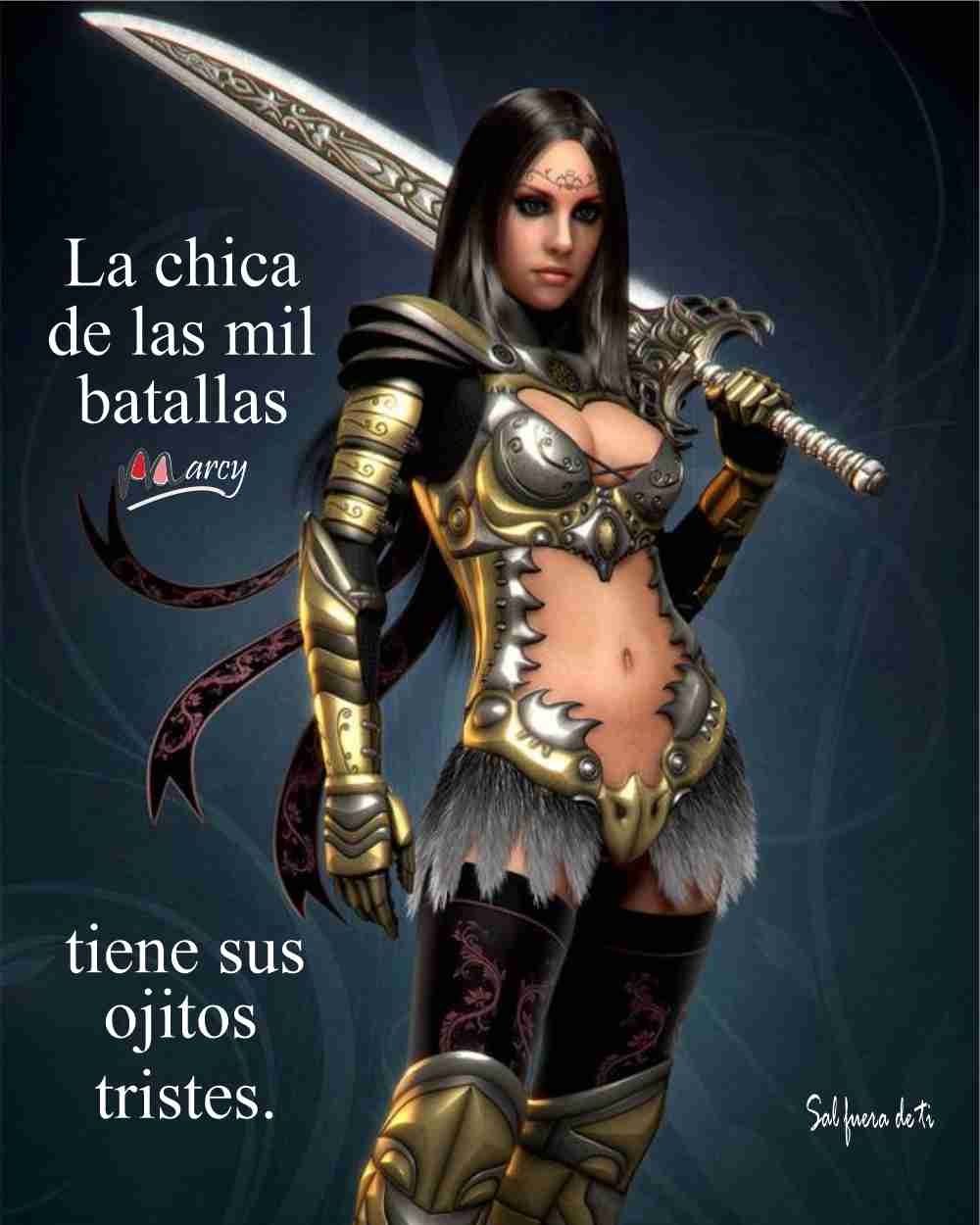
La chica de las mil batallas tiene sus ojitos tristes. Quizás no tristes, tal vez cansados. Cansada de estar triste… La vida no ha sido nada fácil, como suele serlo, y ella tiene derecho a tener los ojitos tristes, a estar cansada, a llorar, a decir que todo va...
Si no estás dispuesta/o a dar lo que recibes, no comiences una relación, te equivocarás, pues puedes hacer más daño de lo que puedas pensar. La vida, las emociones no las valoramos todos igual, de la misma forma, pero tiene que haber en cada una de ellas un pacto unipersonal...
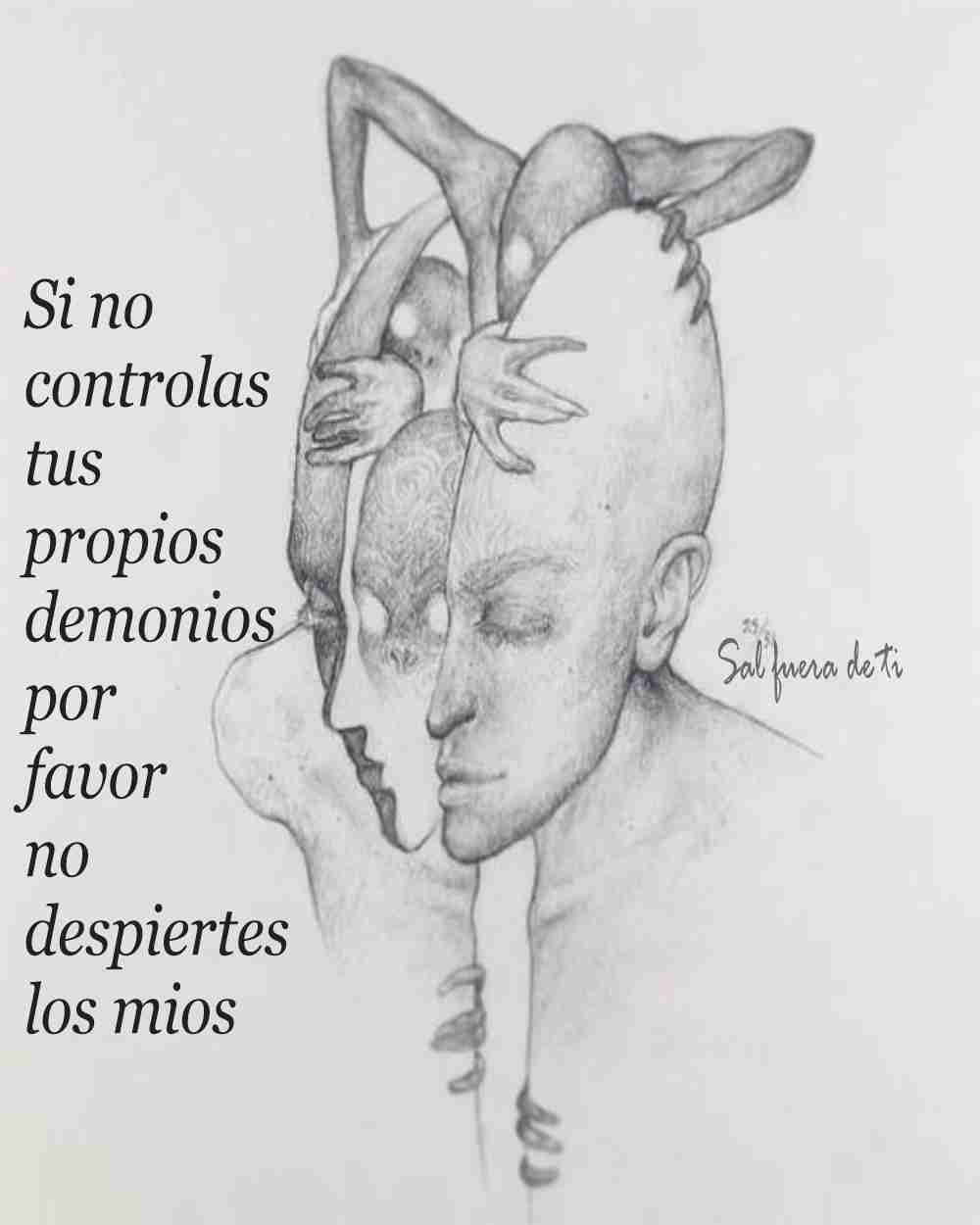
A veces valoramos más lo que perseguimos lo que añoramos que lo que no tenemos que lo que realmente importa las personas que nos apoyan. Por eso hoy que vives preso de tus propios demonios, de la ira, que no ves la realidad, que la tergiversas y vives en un...
La realidad es que el amor no puede causar daño al otro ni a uno mismo y si lo causa entonces no es amor, es otra cosa. El amor no tiene que ser sacrificio, exclusivo, excluyente ni eterno. Si te dijeron lo contrario y lo creíste estas equivocado y fuera...
Conocernos a nosotros mismos desde lo mas intimo y personal, si en ese lugar que no dejamos entrar a nadie más, en el que somos conscientes de quienes somos, que nos importa y como nos afectan nuestras propias decisiones, quizás no es demasiado bueno jugar a ese juego. La forma...
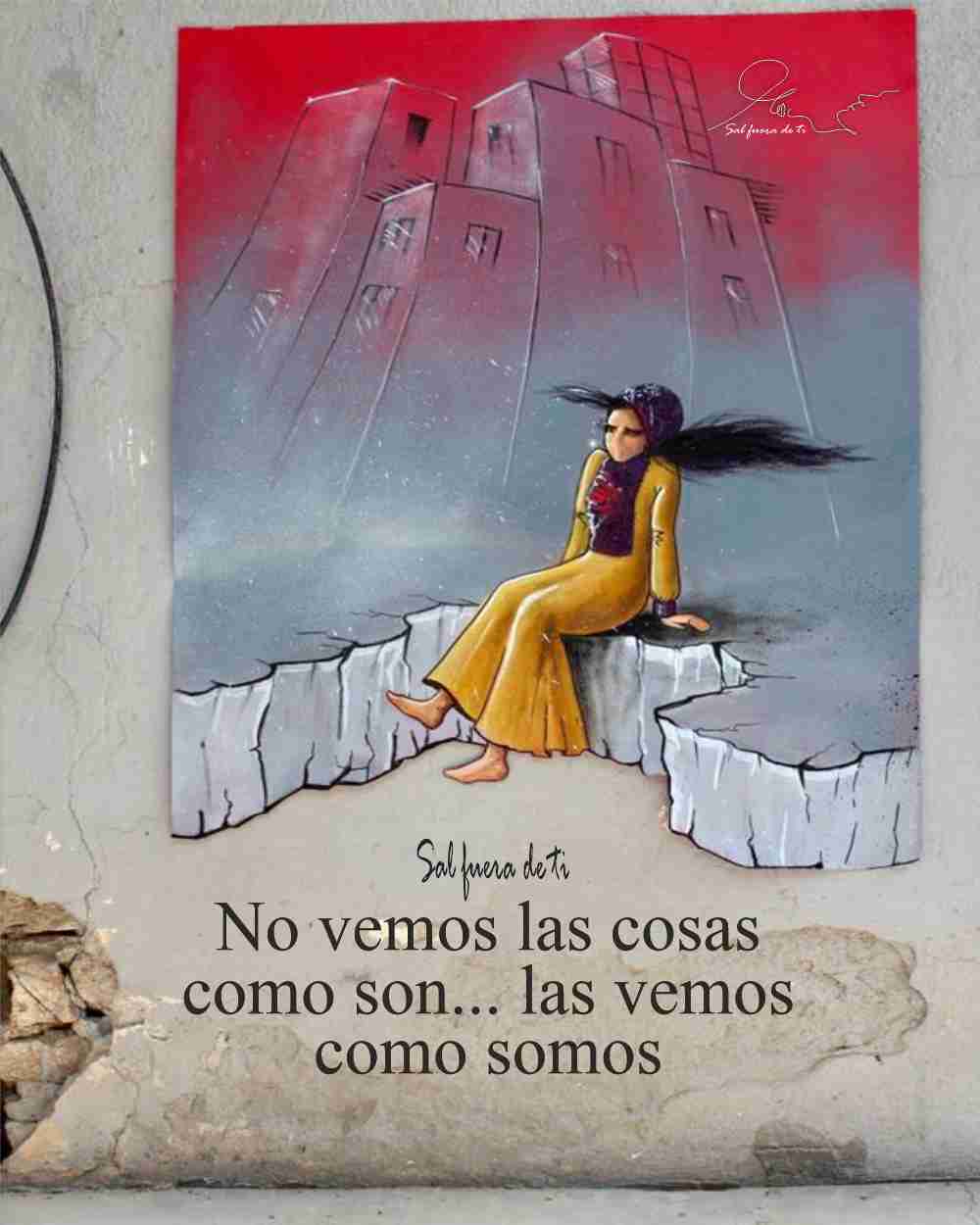
Una bella y profunda frase que muestra los filtros (sesgos cognitivos, vulgarmente prejuicios) con los que cada uno de nosotros ve la vida, las personas, las situaciones, y son la base por lo que cada cual interpreta la realidad de una manera diferente. No siempre somos conscientes de estos “filtros”,...
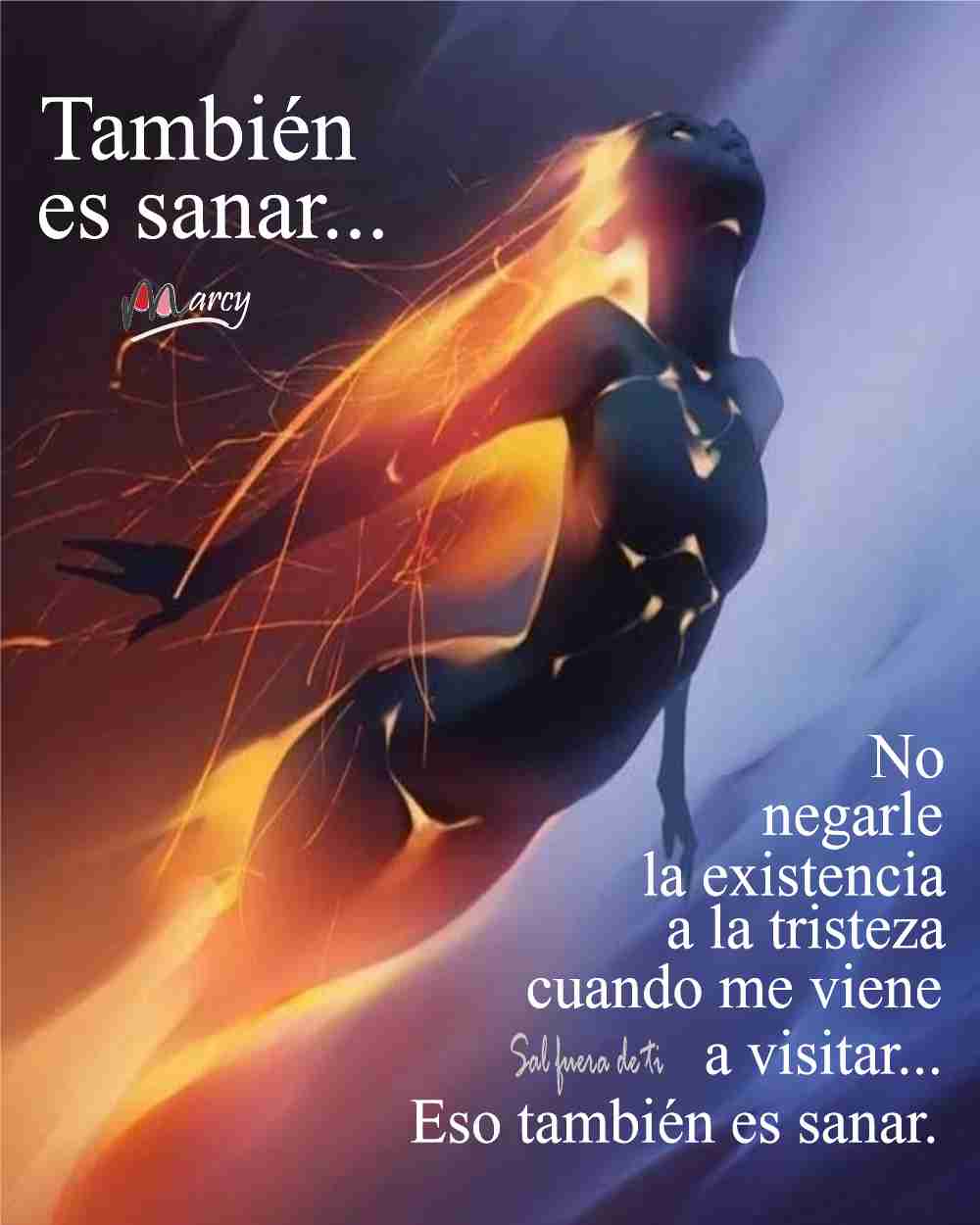
También es sanar… No negar a la tristeza cuando viene a visitarme. No contener las lágrimas cuando se desbordan de mis ojos. Reconocer que también tengo miedo, que a veces quisiera escapar de mí y de mis pensamientos, salir corriendo de mis límites. Que a veces no me entiendo, ni...
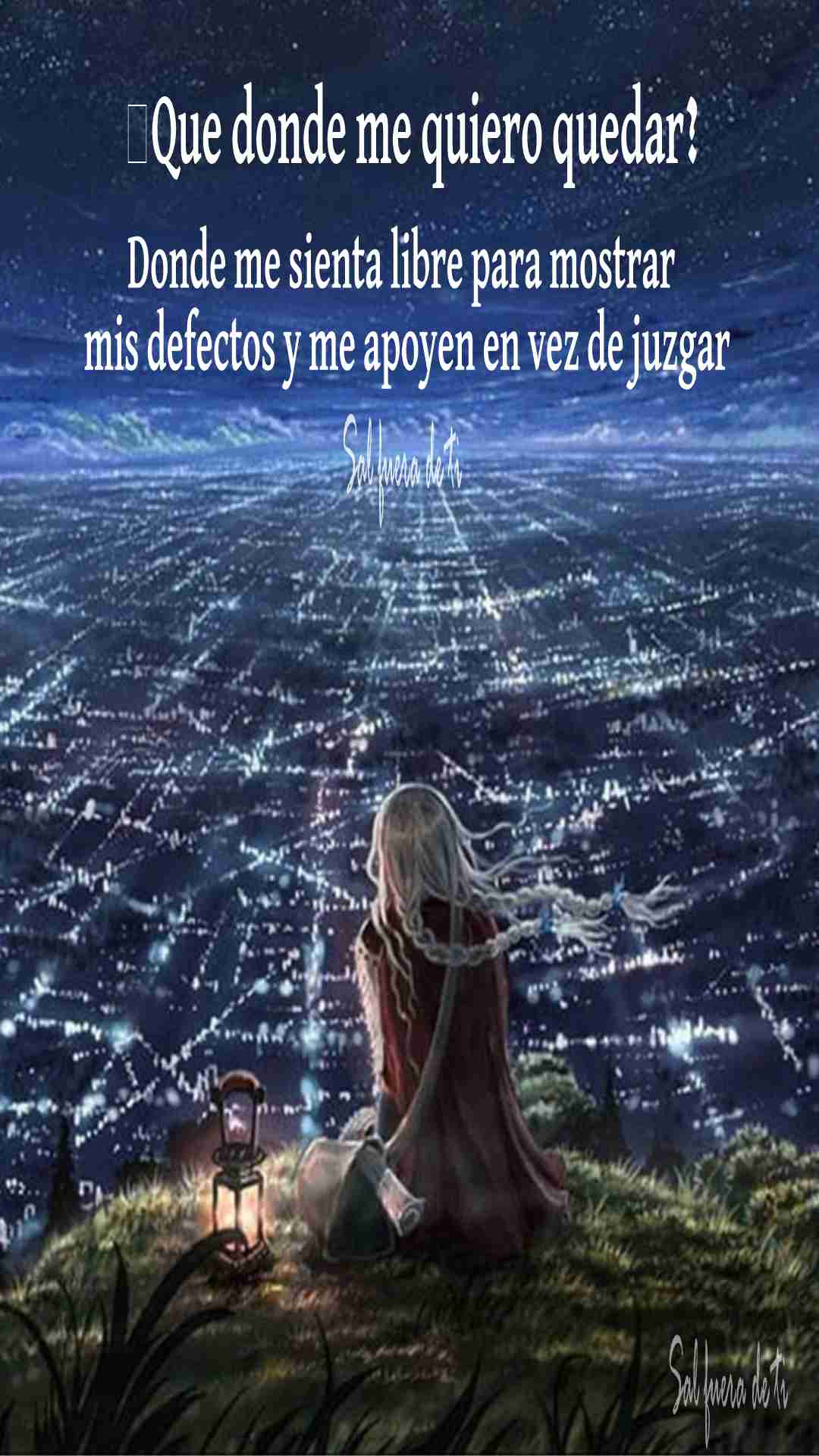
Donde me sienta libre para mostrar mis defectos y me apoyen en vez de juzgar. Es ese lugar que pueda ser yo, sin ser juzgada, por como visto, por como hablo, por como me muestro a los demás. Donde pueda sentirme valorada, no por lo que tengo si no por...
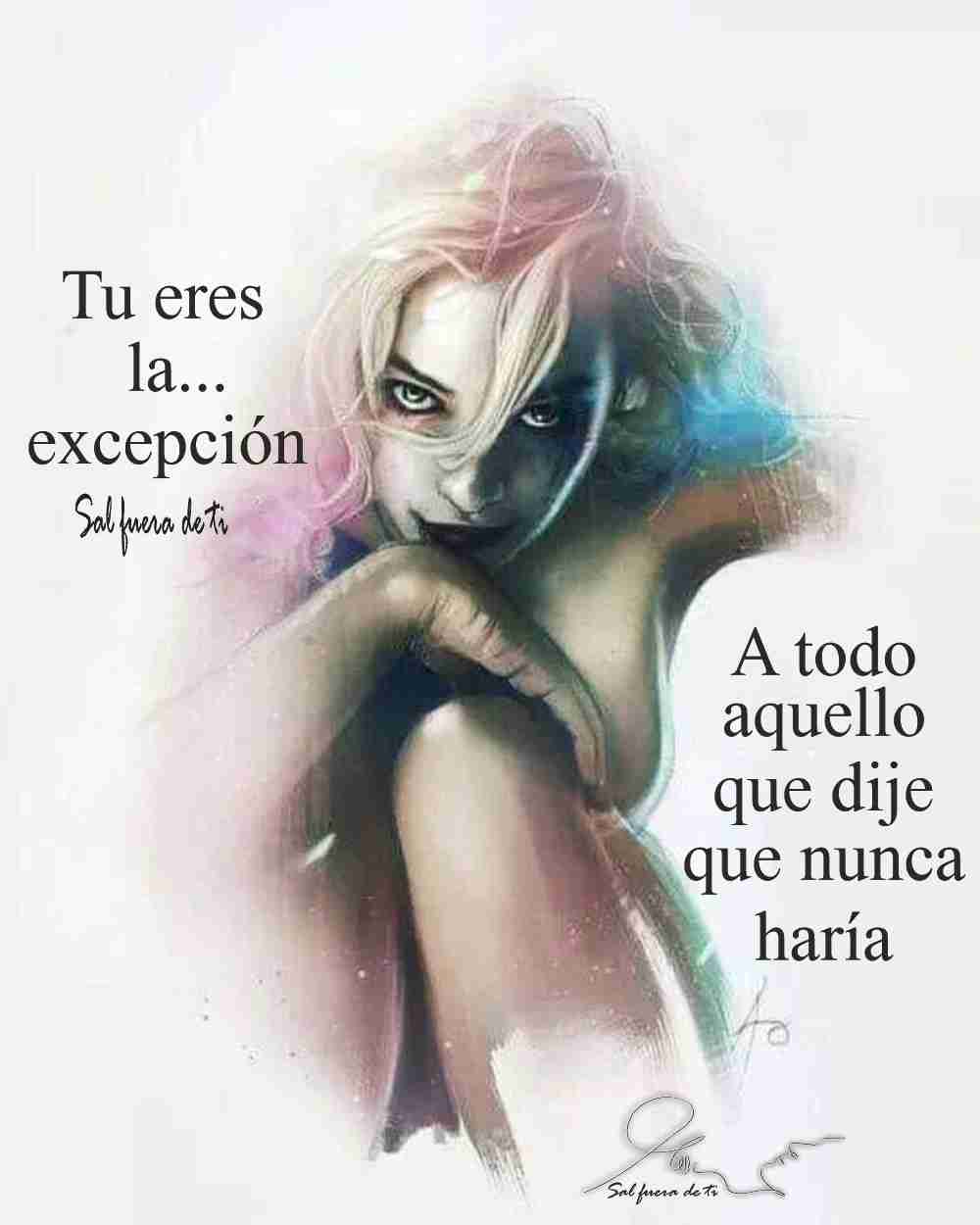
Tú eres la excepción a todo lo que dije que no haría jamás… ¿Quién no ha presumido alguna vez de esa forma? Y sin embargo, siempre aparece alguien en nuestra vida que nos transforma. A veces para bien, otras para no tanto, pero que estamos dispuestos a darle todo aquello...
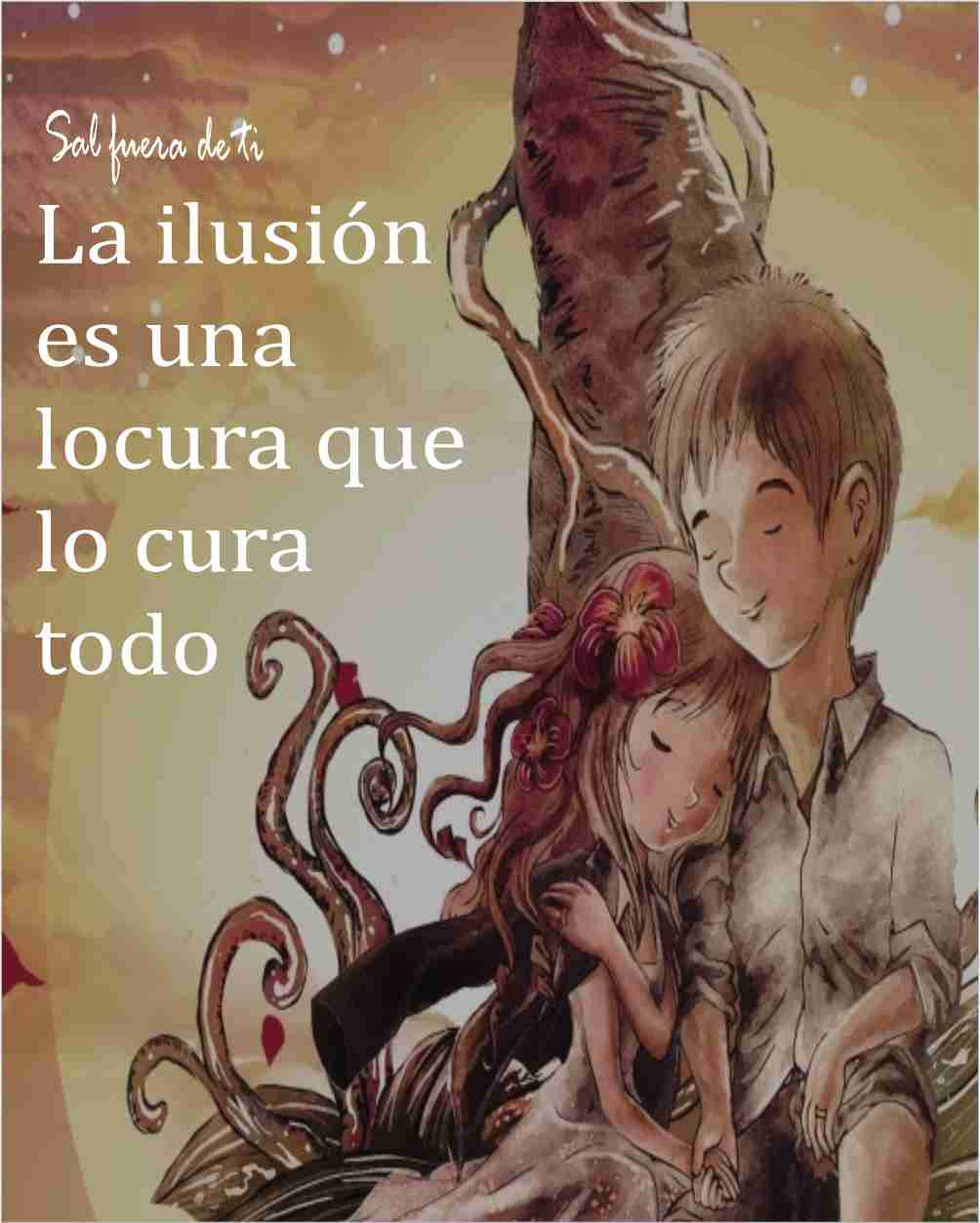
Pero en cualquier caso la ilusión puede ser la medicina, la locura que lo cura todo, que llena a chorros tu autoestima, que te eleva hasta las nubes y te hace vivir situaciones que de otro modo no serían posibles. La ilusión no es otra cosa que un sentimiento de...
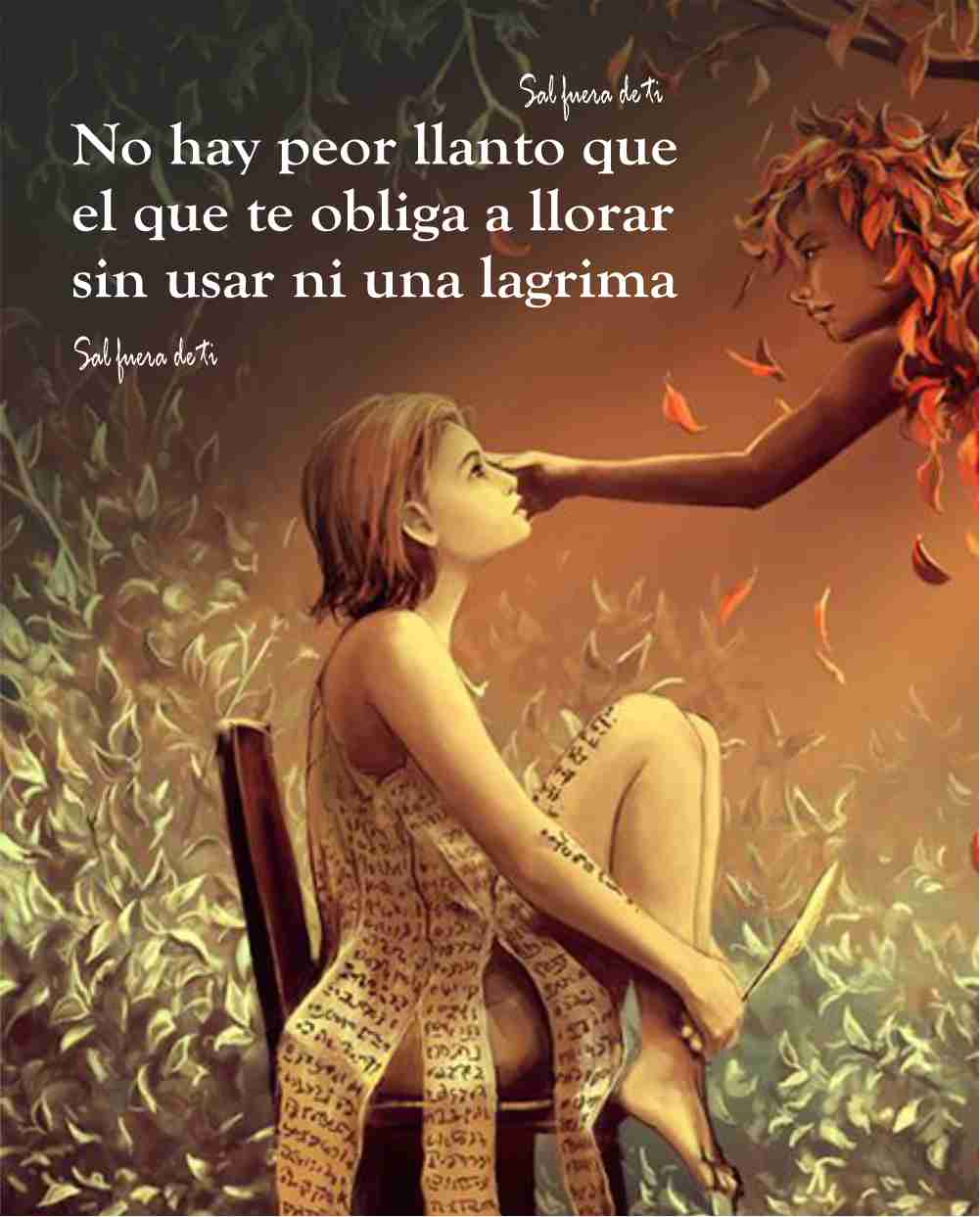
No hay peor llanto que el que te obliga a llorar sin usar ni una lagrima... Si no lo has vivido alguna vez, dudo que lo puedas entender. Si lo has vivido, entenderás el castigo al que uno sin querer a veces se ve sometido por las injusticias o visicitudes...
Hay varios tipos de personas y entre ellos están los que se toman los problemas como retos y los que les gusta culpar a los demás de su propia falta de fuerza personal para enfrentarse a ellos. A veces en la vida diaria esta que esta tan de moda de...